American cocktail culture mixes history, regional flavor, and a spirit-forward approach that keeps bartenders and home enthusiasts inspired. This guide explores the 20 best American classic cocktails, offering practical recipes, useful bar stocking suggestions, and simple techniques to recreate authentic flavors at home. You will find clear pointers for mixing, tools worth investing in, and small tweaks that refresh old favorites without losing their soul. Whether you are building a home bar or refining your repertoire, these classic American cocktails will help you serve memorable drinks.
Which cocktails truly represent American classics?
How to make a Lucky Lily margarita: spicy tequila and pineapple cocktail recipe
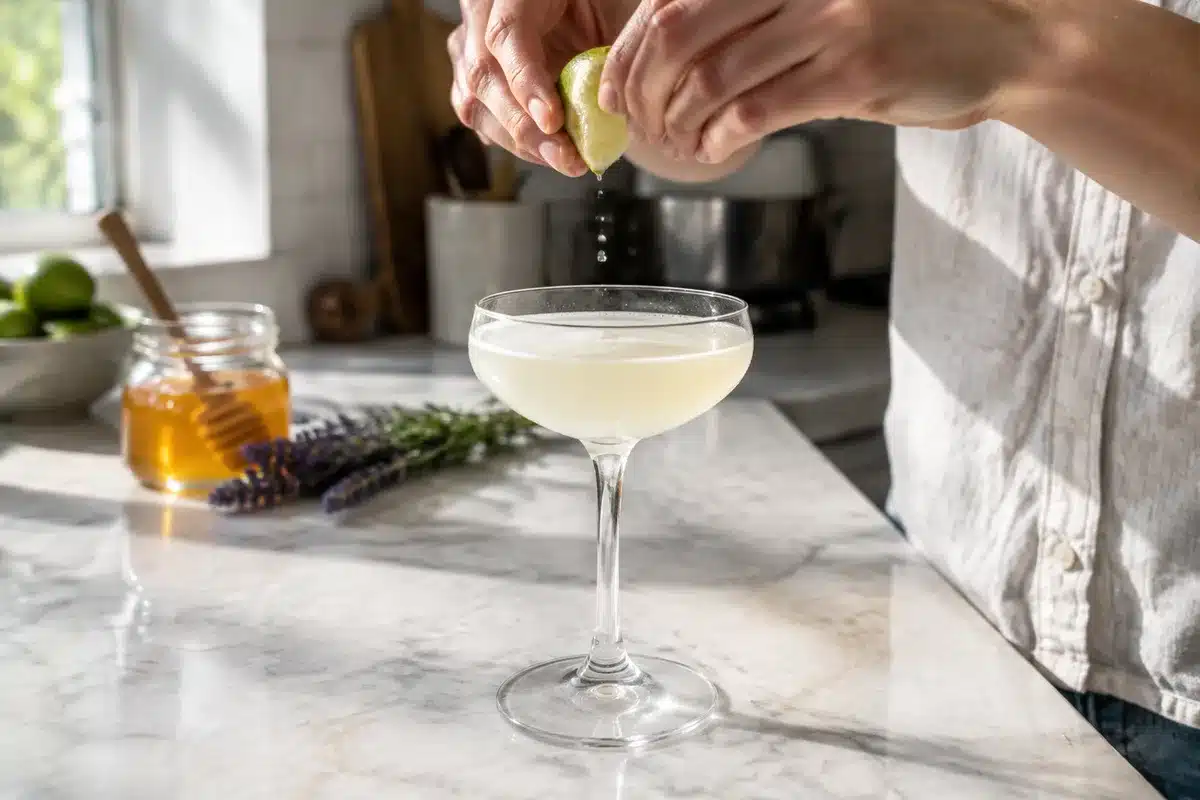
Lavender and honey daiquiri recipe: easy floral cocktail
Several drinks have shaped American drinking habits and continue to appear on menus across the country. The Old Fashioned, Manhattan, and Martini remain staples because they balance spirit, sugar, and bitters with elegant restraint. New Orleans contributed the Sazerac and the Vieux Carré, while Kentucky gave the world the Mint Julep, a race-day icon.
Some recipes crossed borders and became Americanized along the way; the Moscow Mule and the Mai Tai now feel at home on U.S. bars. Each cocktail carries a short story, whether born from Prohibition-era creativity or midcentury Tiki culture. These narratives explain why certain drinks are celebrated and why their techniques still matter.
Classic status depends on longevity, influence, and adaptability under modern palettes. Bartenders and home mixologists value recipes that allow subtle variation while keeping a recognizable backbone. Expect to see rye and bourbon dominate whiskey cocktails, while gin and sweet vermouth pair in dry, spirit-led concoctions. Understanding the role of each ingredient helps you appreciate why these recipes stood the test of time.
How can you reproduce these drinks at home?
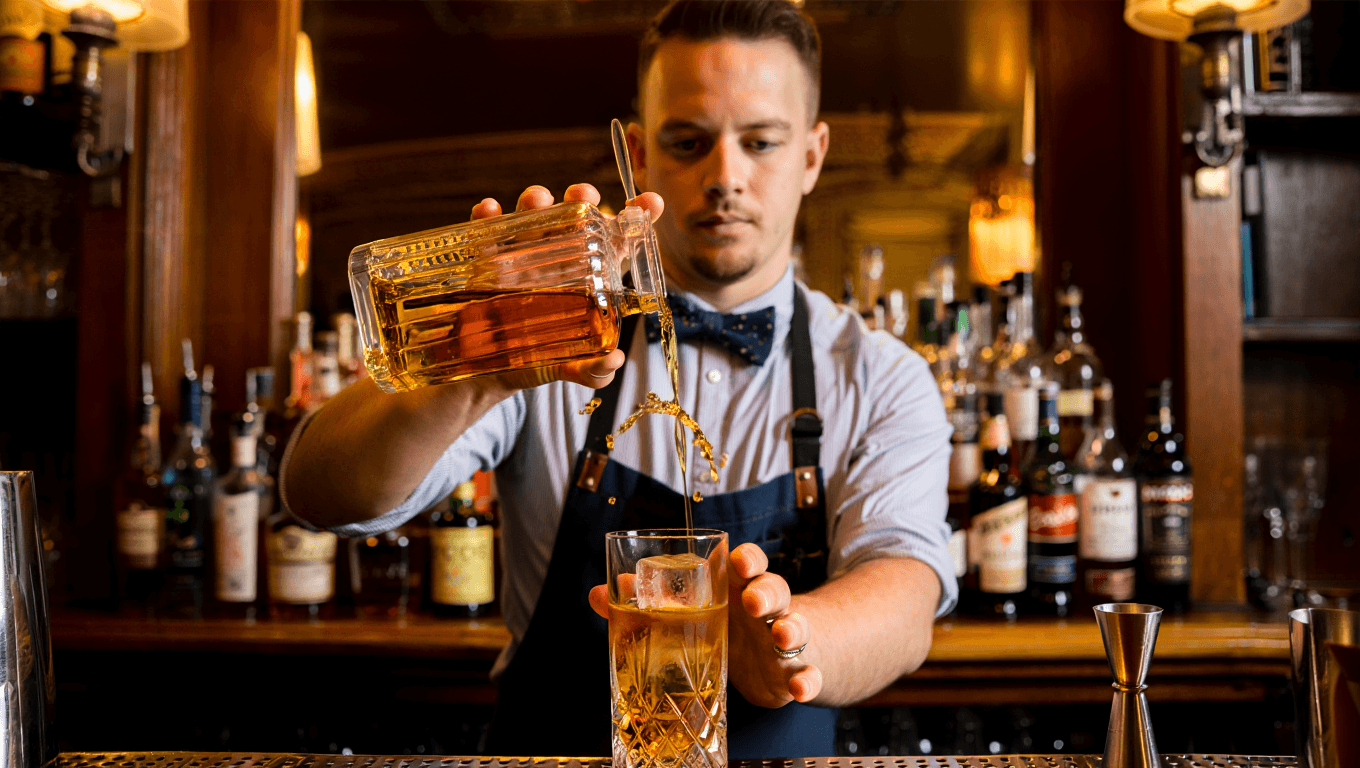
Start with quality ingredients and a few simple techniques rather than chasing rare bottles. Build flavor by measuring precisely, stirring where appropriate, and using plenty of fresh citrus when a recipe calls for it. Small details like using large ice cubes for spirit-forward drinks make a noticeable difference.
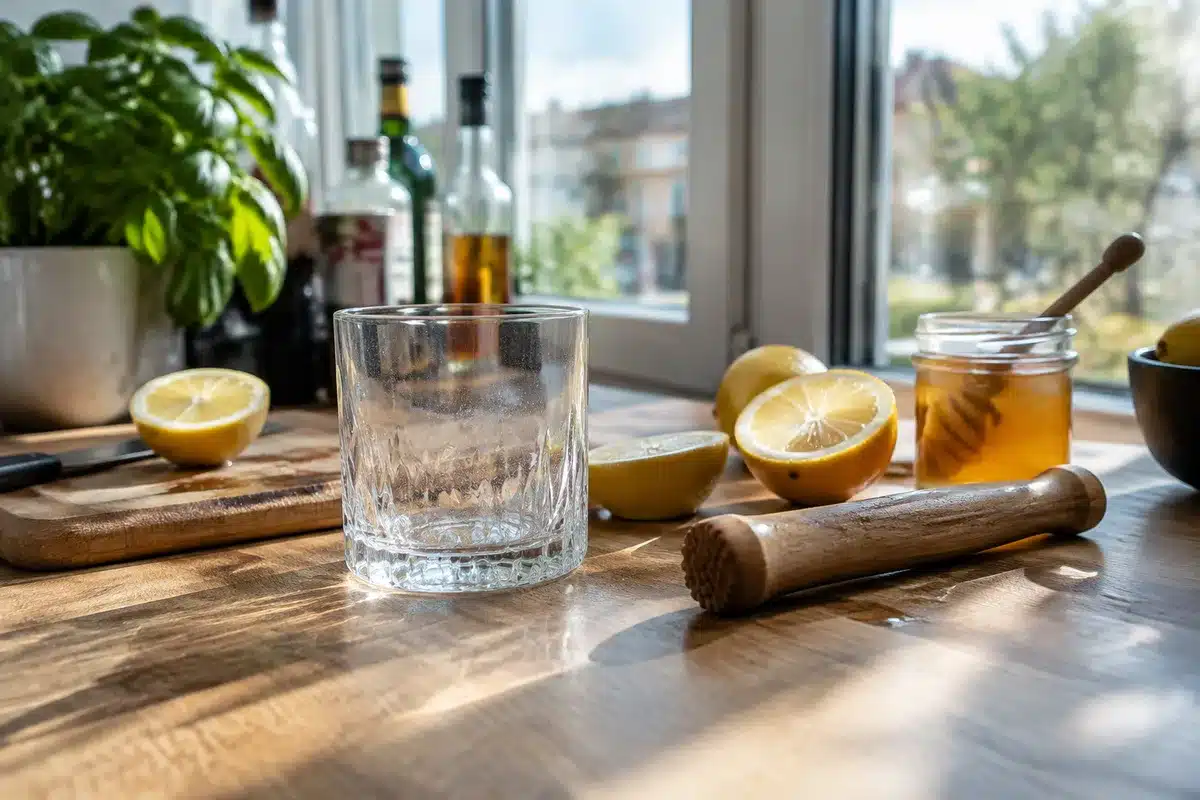
- Essential tools: jigger, mixing glass, bar spoon, shaker, strainer, and a fine strainer for citrus oils.
- Handy extras: a citrus zester, muddler, and a small bottle of aromatic bitters.
- Ice tip: large clear cubes for stirred cocktails and fresh crushed ice for juleps and Tiki drinks.
When vous are missing a specific tool, adapt by using household substitutes; a measuring shot glass can replace a jigger and a metal spoon works as a stirrer. Start with tried-and-true ratios—2:1 spirit to modifier for many stirred cocktails, 3:2:1 for sours—and then adjust sweetness or acidity to taste. Recording changes helps refine your version of each classic.
What spirits and ingredients should you stock for a classic home bar?
A compact, versatile selection covers most classic cocktails and keeps options open for experimentation. Include bourbon or rye, gin, vodka, and rum, plus a bottle of tequila if you enjoy margaritas and sours. Add sweet and dry vermouth, orange liqueur (triple sec or Cointreau), and a reliable bottle of Angostura bitters.
Keep fresh citrus, simple syrup, and sugar cubes on hand for sours and stirred drinks that need balance. A small selection of garnishes—orange twists, cocktail cherries, and fresh mint—elevates presentation and aroma. When you focus on a handful of high-quality ingredients, you will achieve better results than with many low-cost bottles.
Can small swaps modernize classic recipes without losing their identity?
Creative substitutions let you update a classic while preserving its core. Swap a traditional garnish for an aromatic twist, or switch a base spirit—using aged rum in place of bourbon can create a darker, richer Old Fashioned variant. Bitters offer another easy lever; using chocolate or orange bitters changes a cocktail’s profile with one dash.
Experimentation works best when you change only one variable at a time and taste after each adjustment. Keep notes on proportions and brands so you can replicate successes. When you find a version that appeals, share it with friends and watch how a small swap can spark new appreciation for a venerable recipe.
Classic American Cocktails at a Glance
| Cocktail | Base Spirit | Key Ingredients | Glass |
|---|---|---|---|
| Old Fashioned | Bourbon or Rye | Sugar, Angostura bitters, orange peel | Rocks |
| Manhattan | Rye or Bourbon | Sweet vermouth, bitters, cherry | Coupe or Nick and Nora |
| Martini | Gin (or Vodka) | Dry vermouth, lemon twist or olive | Cocktail glass |
| Sazerac | Rye | Absinthe rinse, Peychaud’s bitters, sugar | Rocks |
| Whiskey Sour | Bourbon | Lemon juice, simple syrup, egg white optional | Rocks |
| Mint Julep | Bourbon | Fresh mint, sugar, crushed ice | Julep cup or highball |
| Tom Collins | Gin | Lemon, simple syrup, soda | Highball |
| Moscow Mule | Vodka | Ginger beer, lime | Copper mug |
| Boulevardier | Bourbon | Campari, sweet vermouth | Rocks |
| Negroni | Gin | Campari, sweet vermouth | Rocks |
| Vieux Carré | Rye, Cognac blend | Sweet vermouth, Benedictine, bitters | Rocks |
| Sidecar | Cognac or brandy | Triple sec, lemon juice | Coupe |
| Cosmopolitan | Vodka | Cranberry, triple sec, lime | Cocktail glass |
| Mai Tai | Rum | Lime, orgeat, orange curaçao | Tiki mug or rocks |
| Paloma | Tequila | Grapefruit soda or juice, lime | Highball |
| Rob Roy | Scotch | Sweet vermouth, bitters | Coupe |
| French 75 | Gin | Lemon, sugar, Champagne | Flute |
| Rusty Nail | Scotch | Drambuie | Rocks |
| Classic Margarita | Tequila | Lime, triple sec, salt rim | Cocktail or rocks |

Andrew Cole focuses on everyday drinks, from warm comfort beverages to refreshing options. His writing emphasizes balance, clarity, and ease of preparation.