The San Martin stands out as an elegant, somewhat forgotten cousin of the Martini that balances gin, dry and sweet vermouth with a whisper of anisette and a sugared rim. This cocktail recipe brings mid-weight strength and a dry-sweet profile that appeals when you want something refined but slightly off the beaten path. Gin lovers and curious bartenders will appreciate the simple symmetry of equal parts and the small twist that anisette provides. Read on for practical tips, ingredient swaps, and the historic threads that made the San Martin a lasting classic.
What exactly is the San Martin cocktail?
How to make limoncello cream: creamy, zesty lemon with delicate grappa finish
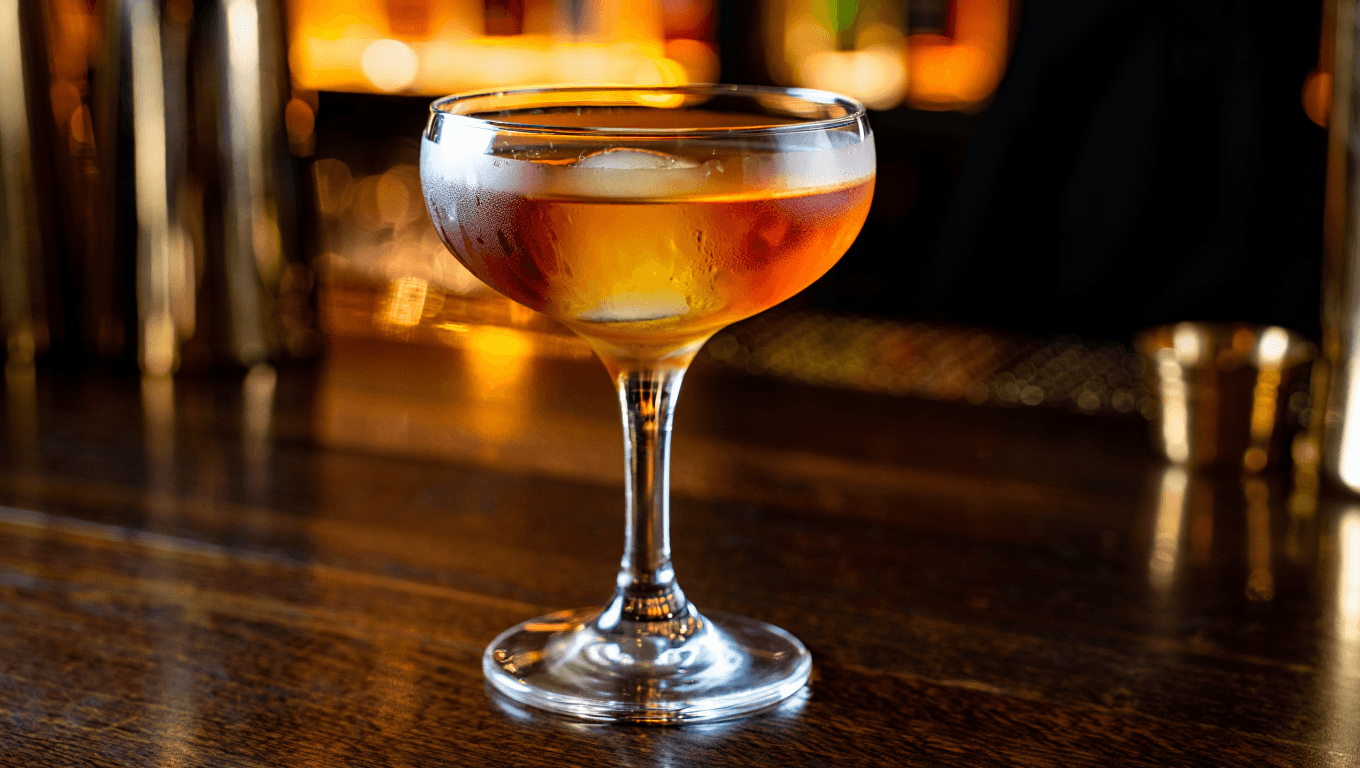
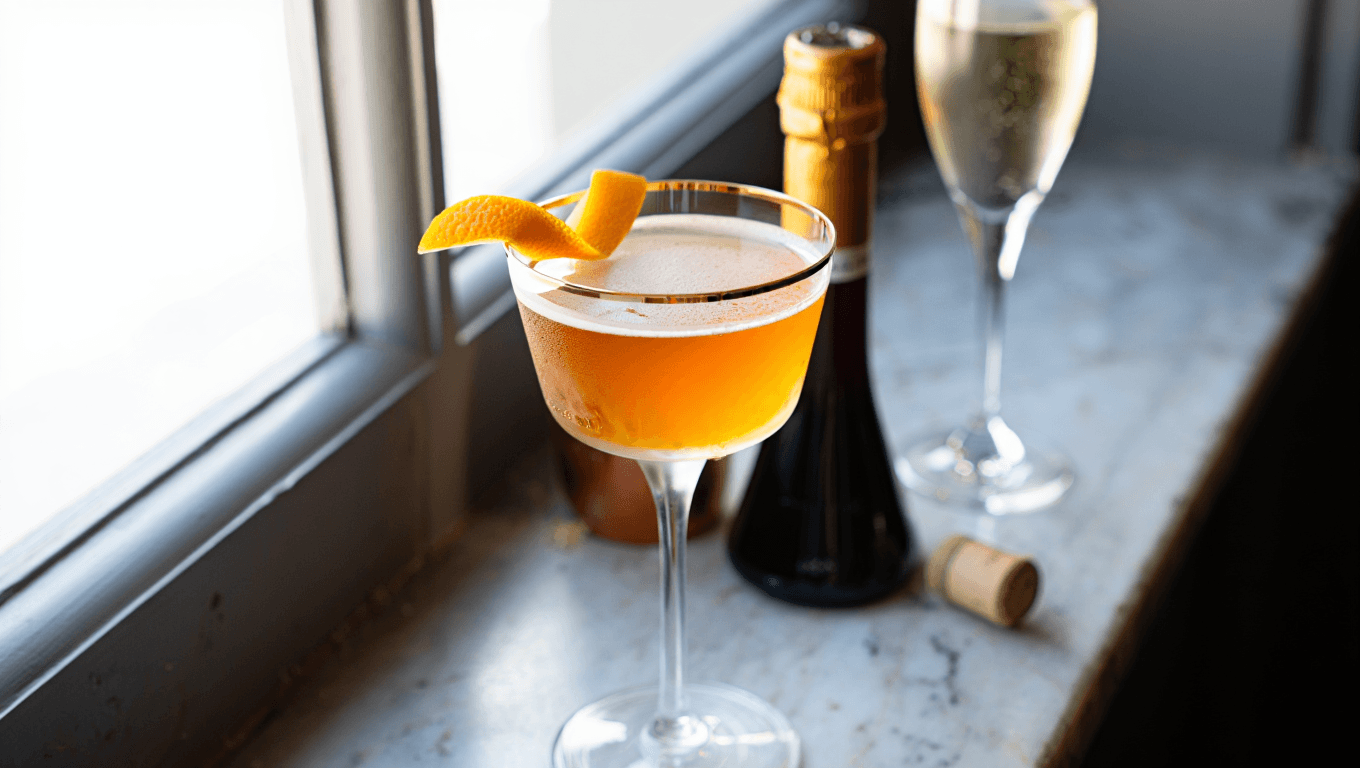
San Martin cocktail: anisette, gin and equal parts sweet and dry vermouth recipe
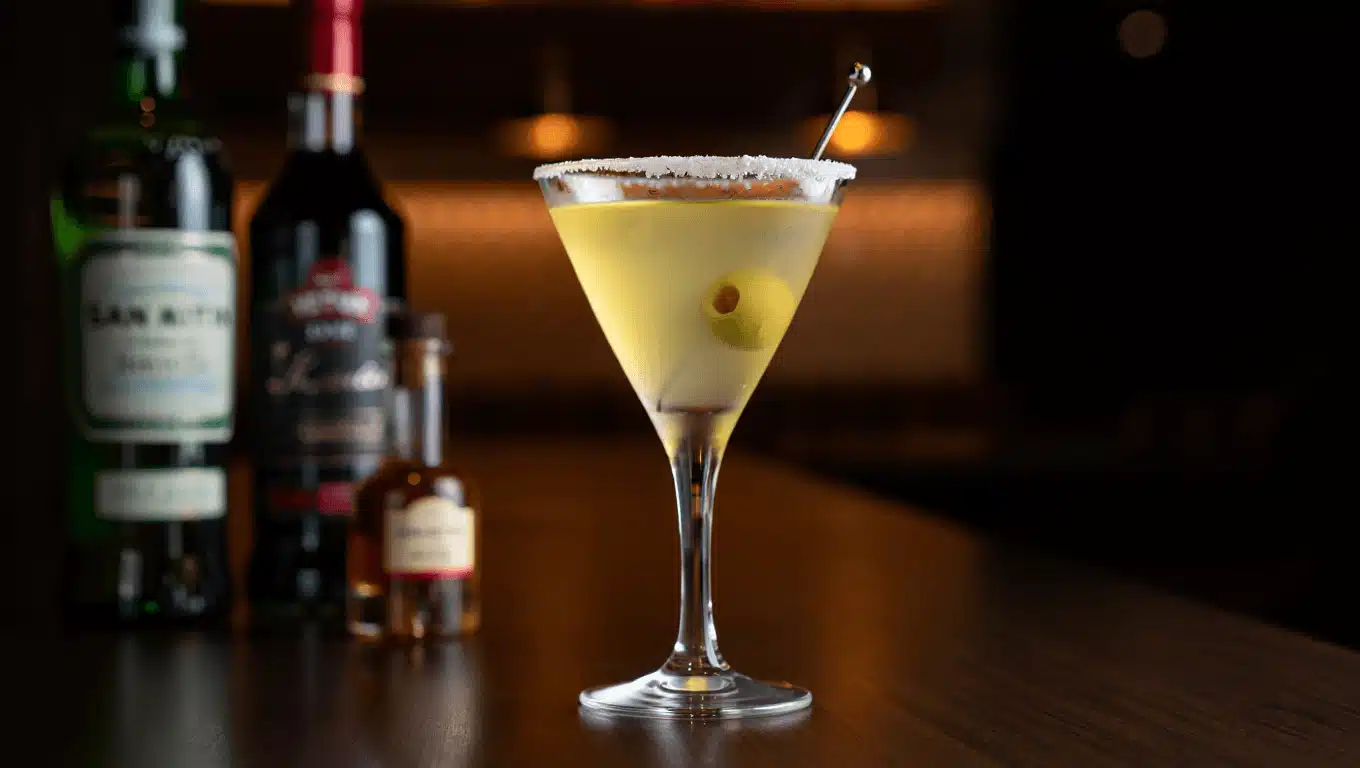
The San Martin is a stirred, chilled cocktail traditionally served in a coupe glass with a sugar rim instead of a citrus or herbal garnish. It uses equal measures of London dry gin, dry vermouth and rosso (sweet) vermouth, with a little anisette and a dash of aromatic bitters for depth. That modest anisette measure shifts the aroma profile so the drink feels faintly licorice-scented without overwhelming the botanicals of the gin.
This recipe is often described as an Argentine take on the Martini and has evolved through the decades. If vous enjoy classic stirred cocktails, the San Martin rewards careful chilling and gentle dilution.
Which ingredients and equipment do you need?
Shop for a good London dry gin, a quality dry vermouth and a rosso vermouth from Torino-style producers when possible. Anisette contributes a sweet anise note and a dash of Angostura Aromatic Bitters adds complexity. Use chilled bottles for vermouths when available, and always keep your mixing glass and coupe well chilled.
| Ingredient | Amount | Notes and alternatives |
|---|---|---|
| London dry gin | 22.5 ml | Hayman’s or similar; 45 ml if following an older 45/45/45 style |
| Dry vermouth | 22.5 ml | Chilled; swap with other quality dry vermouths for a lighter herbaceous tone |
| Rosso vermouth | 22.5 ml | Chilled; provides sweetness and aromatics |
| Anisette liqueur | 7.5 ml | Small measure keeps anise as a background note |
| Angostura bitters | 1 dash | Adds bitter spice and ties the flavours together |
If you need straightforward swaps, consider the following substitutions that preserve balance:
- Old Tom gin for a rounder, sweeter base
- Maraschino or cherry liqueur in tiny amounts for an older-style variant
- Yellow Chartreuse for an herbaceous twist used in some historical recipes
How do you prepare the San Martin step by step?
Begin by chilling a coupe glass thoroughly. Remove the glass from the freezer, wet the rim lightly and dip it in fine sugar to create a delicate sugar rim that functions as the cocktail’s garnish.
Measure equal parts gin, dry vermouth and rosso vermouth alongside the smaller measure of anisette and the dash of bitters. Add all ingredients into a mixing glass filled with plenty of ice and stir gently until well chilled and properly diluted.
Strain into the chilled, sugar-rimmed coupe and serve immediately. No additional garnish is required since the sugared rim provides both aroma and visual finish.
What variations exist and where did the drink originate?
The San Martin grew from early 20th-century South American bartending traditions and carries the name of Don José de San Martín, who helped liberate Argentina, Chile and Peru. Early recipes and bartender manuals differ widely: some call for old tom gin, cherry brandy and maraschino in tiny amounts, while others substitute curaçao or Chartreuse.
Over time the recipe narrowed into the equal-parts format with anisette and a sugar rim becoming common in certain bartending circles. Misprints and alternate spellings like “Sand Martin” appeared in cocktail books, creating parallel entries and slight recipe divergences.
When experimenting, keep balance in mind and adjust the anisette sparingly. Historical variants tend to be bolder on liqueurs, while modern renditions emphasize clarity and a dry-sweet equilibrium.
How strong is the San Martin and what should you know about calories and allergens?
This serving typically contains about 1.1 standard drinks and measures roughly 19.8% alc./vol. That translates to approximately 14.9 grams of pure alcohol per serving. A single San Martin provides around 138 calories, so it sits in the moderate range among classic stirred cocktails.
Pay attention to allergens when serving guests. The rosso vermouth and some sweet vermouths commonly contain sulphur dioxide/sulphites. Also make sure any sugar used for rimming is food-safe and free from cross-contamination if vous are preparing drinks for people with sensitivities.

Andrew Cole focuses on everyday drinks, from warm comfort beverages to refreshing options. His writing emphasizes balance, clarity, and ease of preparation.