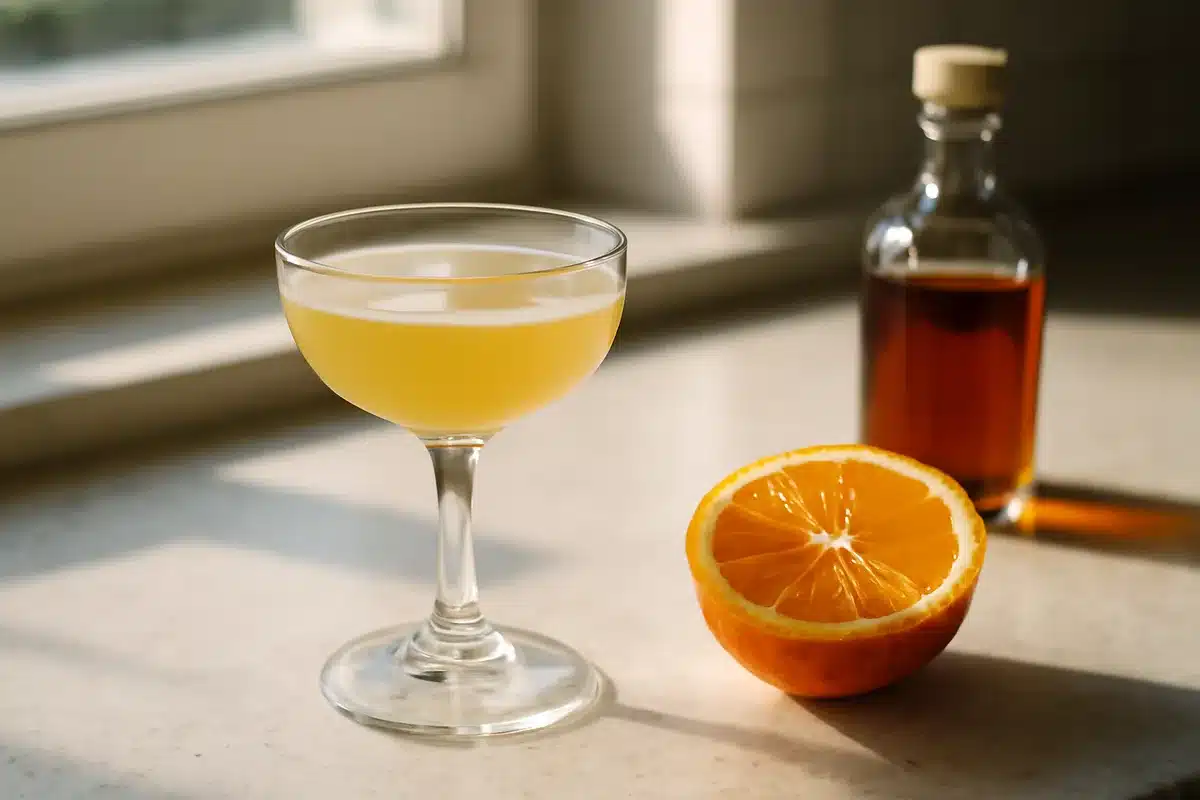
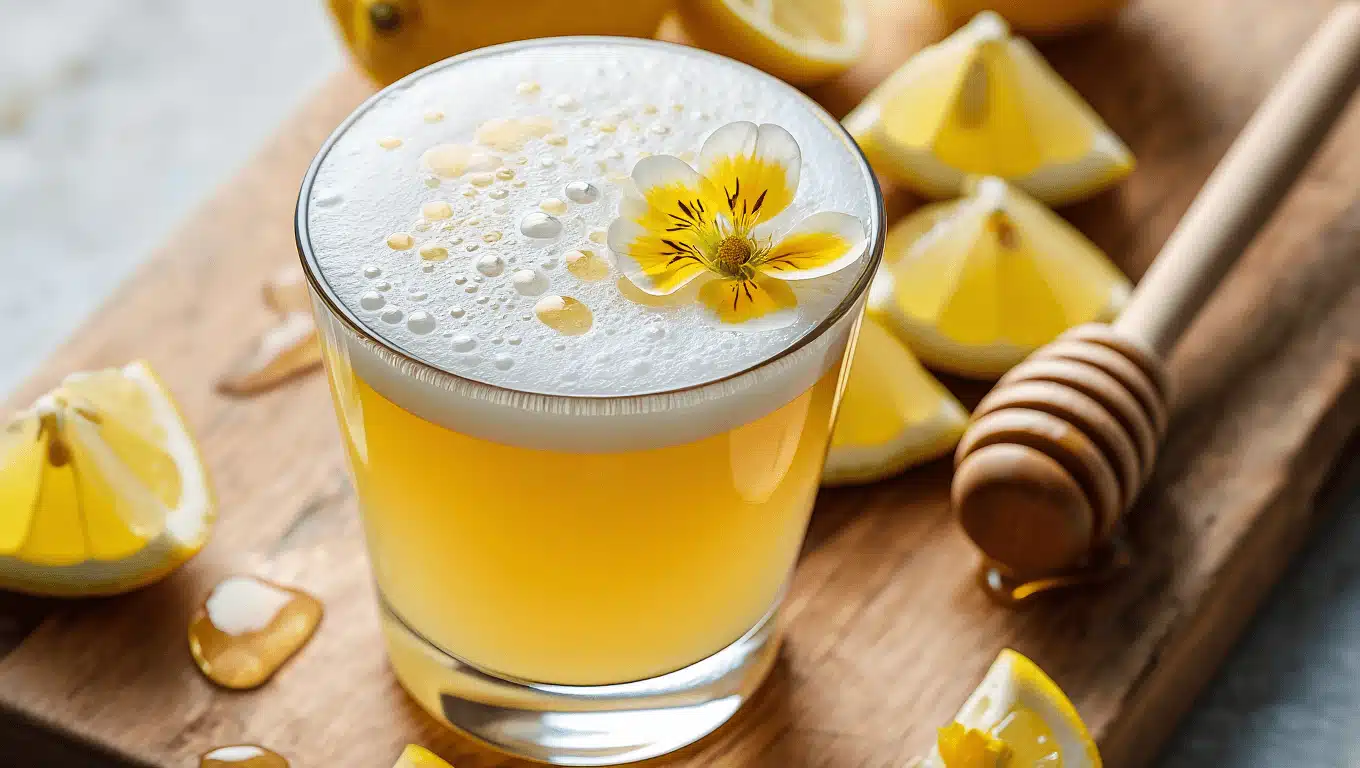
Bright and floral, the Pisco Bee’s Knees turns classic sour elements into something lighter and more fragrant by using pisco and honey syrup. This cocktail recipe highlights fresh lemon, a honey syrup that balances acidity, and a clean, aromatic South American brandy that lifts the drink. Whether you are building a home bar or refining a menu item, the Pisco Bee’s Knees offers approachable technique and bold flavor. Keep a chilled coupe on hand and you will find it hard to resist repeating the process.
What exactly is a Pisco Bee’s Knees?
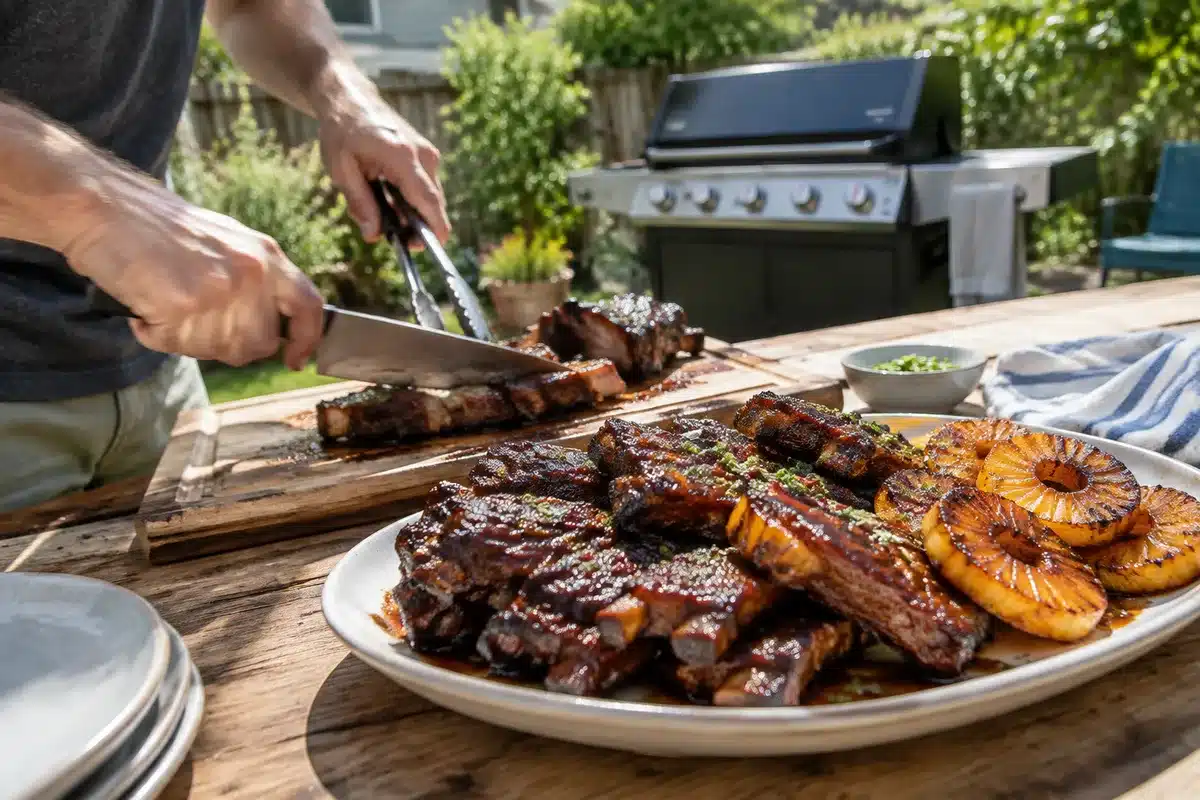
How to make a Lucky Lily margarita: spicy tequila and pineapple cocktail recipe
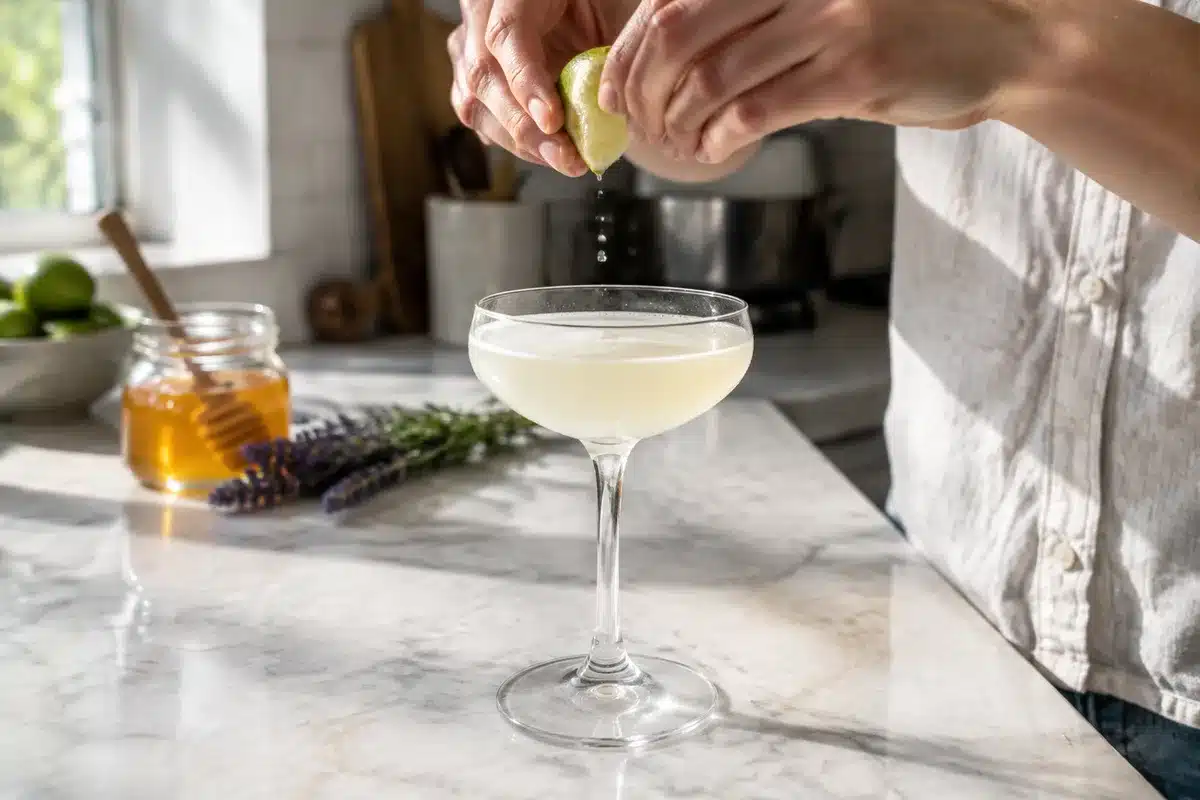
Lavender and honey daiquiri recipe: easy floral cocktail
The Pisco Bee’s Knees is a variation on the Prohibition-era Bee’s Knees, where gin was the original base spirit. In this version, pisco replaces gin, bringing vinous and floral notes that change the cocktail’s profile. The drink remains a classic sour: spirit, citrus, and sweetener create a clean, balanced structure.
Bars often choose pisco for its expressive aromatics and weight, which pair particularly well with honey. Freshly squeezed lemon brightens the palate while honey syrup builds texture and mouthfeel. The result is a cocktail that feels both delicate and complete.
Chefs and bartenders appreciate how simple swaps change the experience without complicating execution. If vous like drinks that read refined but are fast to prepare, this recipe earns a regular spot on your list.
How do you make the Pisco Bee’s Knees?
Ingredients and measurements
Below is a concise ingredient list for one serving that follows the classic balance between spirit, citrus, and sweetener. Use quality pisco and fresh lemon for the best results. Highlight important steps and ingredients with fresh and chilled where needed.
| Measure | Ingredient |
|---|---|
| 60 ml | BarSol Mosto Verde Italia Pisco (or another aromatic pisco) |
| 22.5 ml | Fresh lemon juice |
| 15 ml | Honey syrup (3 parts honey to 1 part water by weight) |
Tools, glassware and preparation
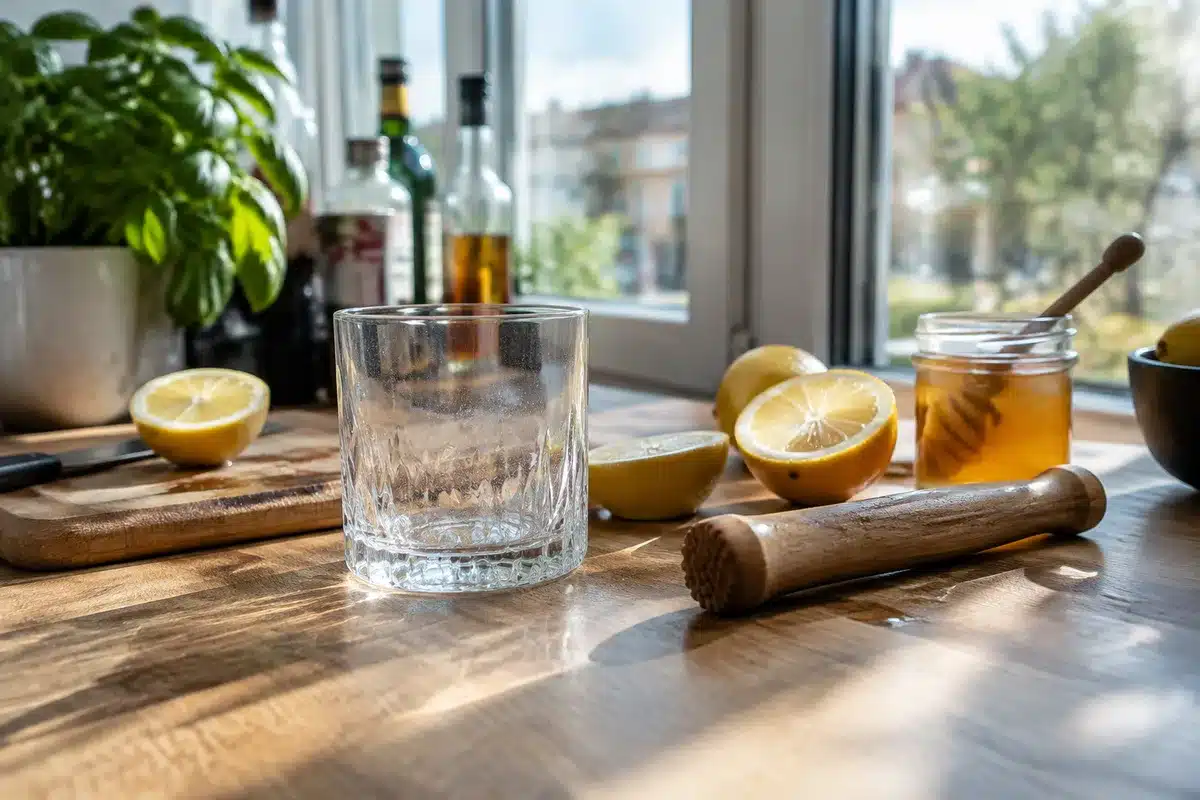
Select a chilled coupe or retro optic coupette for serving and confirm that your shaker has fresh ice. Prepare a lemon zest twist as garnish and set it aside. Measure ingredients accurately to preserve the intended balance.
Use a fine strainer when you pour to remove any small ice chips and pulp. If vous plan to batch multiple servings, keep the honey syrup refrigerated and scale ingredients by servings. A simple jigger, shaker, and strainer will do everything you need.
Step-by-step mixing method
Start by adding pisco, lemon juice and honey syrup to a shaker filled with ice. Vigorously shake until the outside of the shaker feels well chilled, which usually takes about 10 to 15 seconds. Strain into your pre-chilled coupe using a Hawthorne and, if desired, a fine mesh strainer.
Express the lemon zest over the surface to release essential oils and then drop the twist into the glass as garnish. Serve immediately while the cocktail is cold and aromatic. Small details like a properly chilled glass and fresh citrus will elevate the final drink.
What does this cocktail taste like?
Pisco contributes floral and grape-like notes that are noticeably different from juniper-led gin versions. Honey syrup adds a smooth, rich sweetness and softens the lemon’s acidity without making the drink cloying. The resulting profile reads bright, slightly vinous, and gently honeyed.
Texture plays a key role in perception, where the syrup rounds the edges and delivers a silky finish. If vous prefer a more tart expression, reduce the honey syrup slightly and adjust to taste. Overall, the Pisco Bee’s Knees sits comfortably between dry and sweet, leaning toward refreshing and refined.
How strong is it and what about nutrition?
This recipe yields roughly 1.4 standard drinks and measures near 19% alc./vol. depending on the pisco used. The cocktail contains an estimated 132 calories per serving, with about 19.8 grams of pure alcohol when prepared as listed.
Moderation is important when serving. If vous are monitoring calorie intake or alcohol units, consider adjusting spirit volume or offering a smaller serving size. Bars often list the alcohol percentage and calories to help guests make informed choices.

Andrew Cole focuses on everyday drinks, from warm comfort beverages to refreshing options. His writing emphasizes balance, clarity, and ease of preparation.