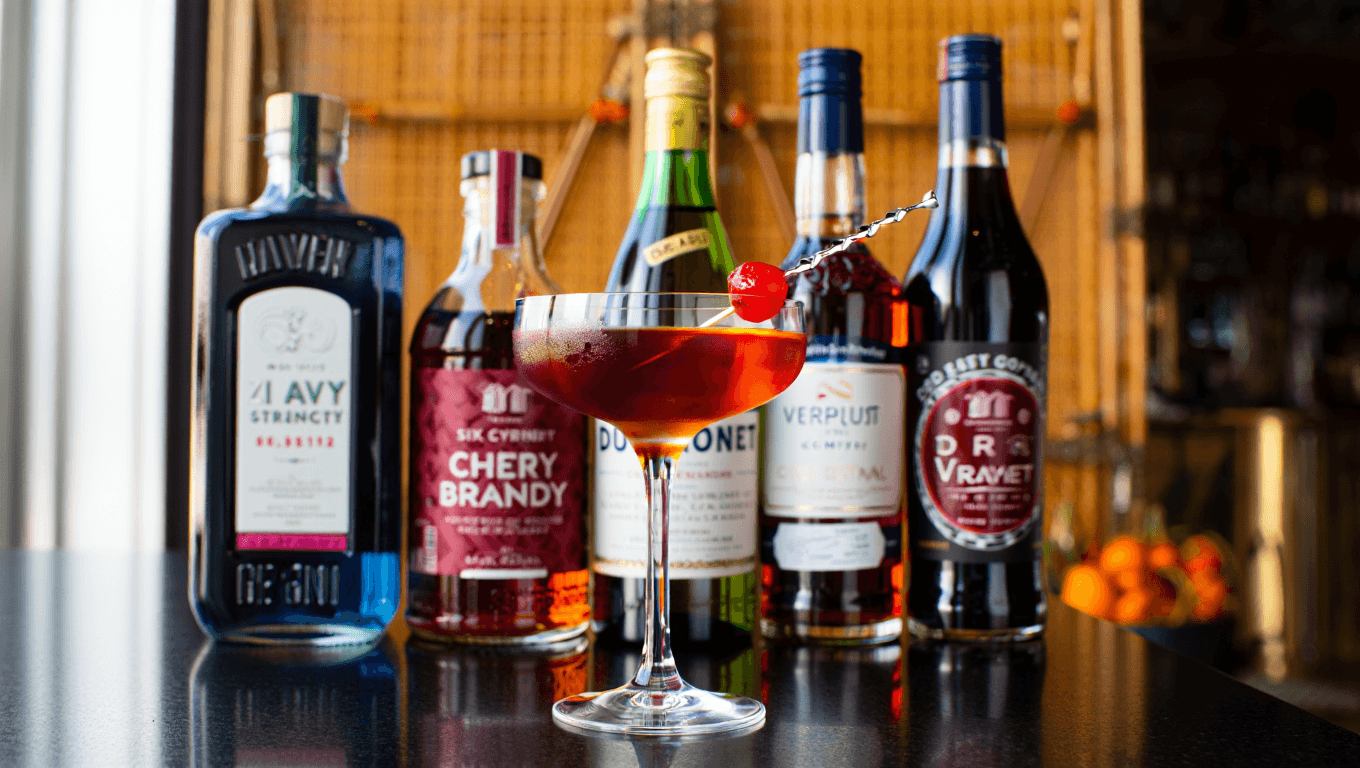
The Six Cylinder cocktail brings a classic, balanced bitterness to the glass and works perfectly as an aperitivo or a digestif. This equal-parts recipe layers high-proof gin, cherry brandy, Campari-style bitter, Dubonnet, dry vermouth and sweet vermouth for a complex, Negroni-like profile that rewards a gentle stir and a chilled coupe. Expect bright citrus, rich cherry and an aromatic herbal backbone that reveals itself sip after sip.
What defines a Six Cylinder cocktail?
How to make a Lucky Lily margarita: spicy tequila and pineapple cocktail recipe
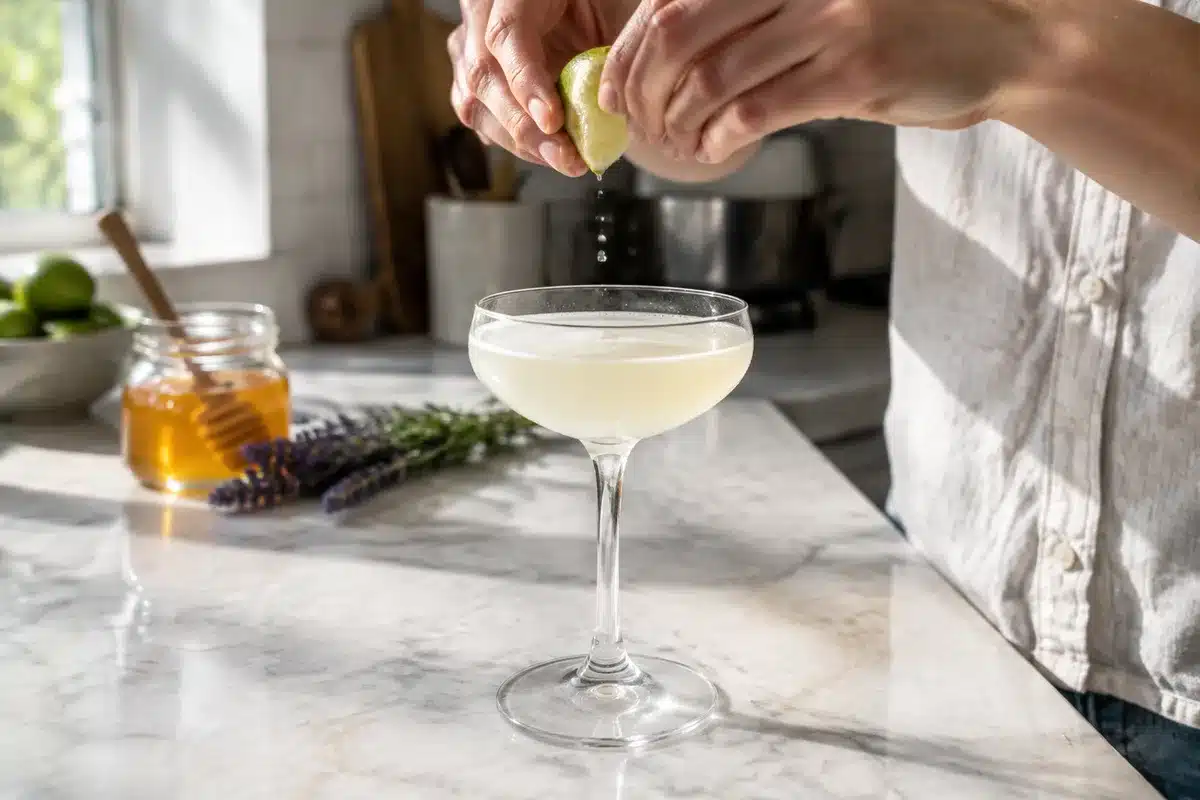
Lavender and honey daiquiri recipe: easy floral cocktail
The Six Cylinder is an equal-parts, six-ingredient mixed drink that sits in the bittersweet family. Each component plays a clear role: gin provides the backbone, cherry brandy adds fruit depth, and the bitters and quinquinas contribute bitter and aromatic notes. This balance makes it a thoughtful choice when you want a sophisticated alternative to a Negroni.
The original formula calls for precise proportions so the flavors remain harmonious. Using a Navy-strength gin elevates the structure, letting the botanicals cut through the richer liqueurs. Many bartenders choose chilled vermouths and quinquinas to keep the drink crisp rather than heavy.
How do you make a Six Cylinder cocktail?
Begin by pre-chilling a coupe glass and preparing a garnish: an expressed orange twist and a skewered Luxardo maraschino cherry. Keep your vermouths and Dubonnet cold in advance for the cleanest finish.
Measure equal parts of each ingredient into a mixing glass filled with ice and stir until properly chilled and slightly diluted. Fine strain into the chilled coupe and express the orange oil over the surface, discarding the peel, then add the skewered cherry. This gentle stirring preserves clarity and texture.
Which ingredients and measures should you use?
Classic builds call for equal measures, commonly 15 ml (1/2 oz) of each ingredient for a single serving. You can scale easily if vous want more servings. Using quality components brings the recipe to life, especially the gin and the cherry brandy.
| Ingredient | Amount | Notes |
|---|---|---|
| Hayman’s Navy Strength Royal Dock Gin (or similar) | 15 ml | High-proof gin recommended |
| Cherry brandy / Maraschino liqueur | 15 ml | Luxardo-style adds depth |
| Strucchi Red Bitter or Campari-style | 15 ml | Provides classic bitter edge |
| Dubonnet or Byrrh rouge quinquina | 15 ml | Serve chilled |
| Dry Vermouth | 15 ml | Chilled for best clarity |
| Rosso / Sweet Vermouth | 15 ml | Chilled for balance |
What does the Six Cylinder taste like?
The drink offers a bittersweet profile with a clear cherry thread running through the mix. Herbal botanicals from the gin and vermouth sit alongside the quinquina’s floral bitterness. The final mouthfeel is medium-bodied with a dry-leaning finish.
Expect brightness from the expressed orange oil and a subtle sweetness from the maraschino. When made with Navy-strength gin, the cocktail gains extra lift and a clean, warm finish that keeps the bitter notes lively rather than cloying.
What historical story sits behind the Six Cylinder?
Documented recipes trace the Six Cylinder back to the early 20th century and to bartender Raymond Latour, who reportedly won a Paris cocktail championship in 1928 with this mix. The name evokes the automotive boom and the smooth power of a straight-six engine, a metaphor for balanced mechanical performance translated into drink form.
It appears in Harry McElhone’s 1930 ABC of Mixing Cocktails and shows up in later cocktail lists, often with the same equal-parts concept. That consistency suggests the recipe’s enduring appeal among classic cocktail enthusiasts and professionals.
What variations and substitutions work well?
Substitutions let you tailor the Six Cylinder without losing its character. Replacing Navy-strength gin with a bottled-in-bond rye creates a Whiskey Six variation. You can also swap the cherry liqueur for a lighter maraschino or a richer cherry brandy depending on desired fruit intensity.
Small adjustments to vermouth ratios shift the drink’s sweetness and dryness. If vous prefer a drier edge, reduce the sweet vermouth slightly and increase dry vermouth or chilled Dubonnet. Keep balance in mind and taste as you tweak.
- For a boozier profile use high-proof gin
- Choose French quinquina for floral notes, Italian quinquina for bitter drive
- Swap cherry liqueur types to control fruit intensity
What allergens and nutritional details should you know?
This recipe contains vermouths and quinquinas, which typically include sulphur dioxide / sulphites as preservatives. Anyone sensitive to sulfites should avoid or substitute those ingredients with sulphite-free options. Clearly label the drink if serving guests with allergies.
A single serving contains approximately 187 calories. Alcohol by volume for the classic build works out to roughly 20.73% alc./vol. and about 1.3 standard drinks. Values are approximate and will vary with actual brands and measures.
How should you serve and present the Six Cylinder?
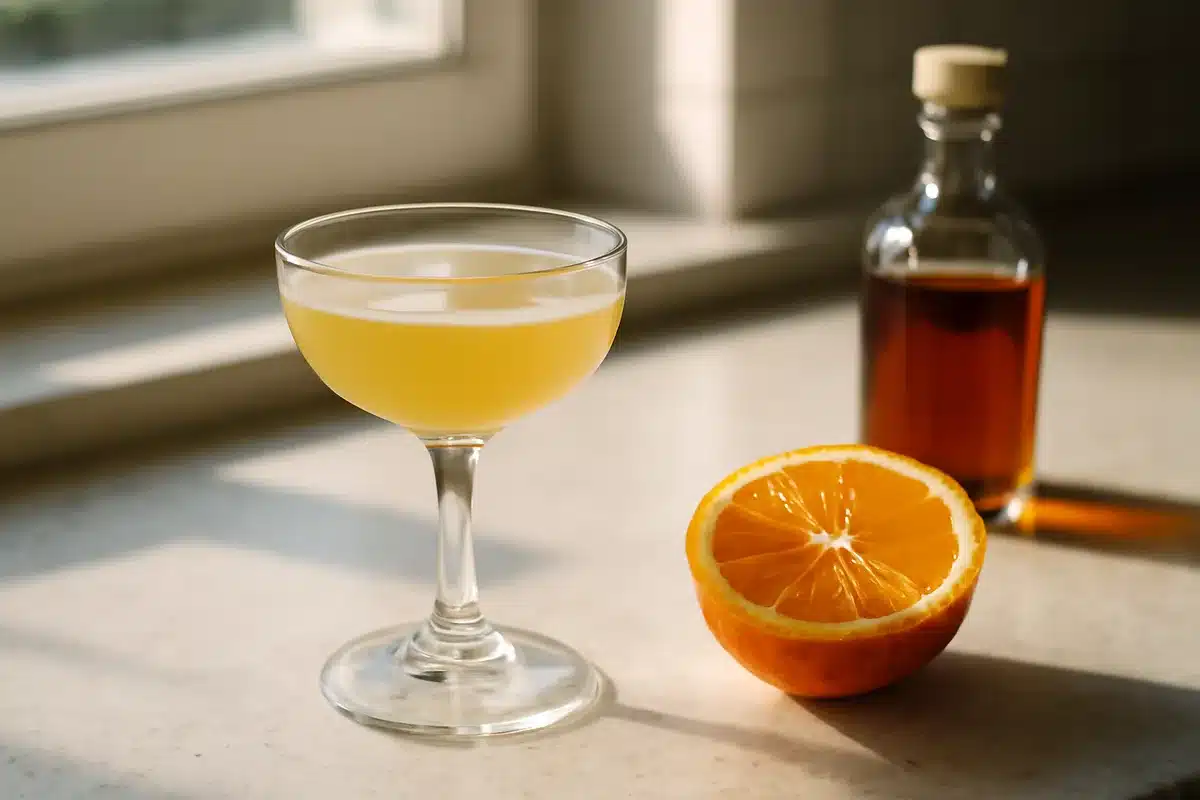
Serve in a well-chilled coupe glass for an elegant presentation. Express an orange twist over the surface and drop a skewered Luxardo cherry onto the drink for aroma and a visual anchor. Pre-chilling the glass and the vermouths keeps the cocktail crisp.
Use fine straining to remove any small ice chips for a silky texture. When serving plusieurs guests, scale the equal parts recipe proportionally and stir in a larger mixing vessel before portioning into chilled glasses.

Andrew Cole focuses on everyday drinks, from warm comfort beverages to refreshing options. His writing emphasizes balance, clarity, and ease of preparation.