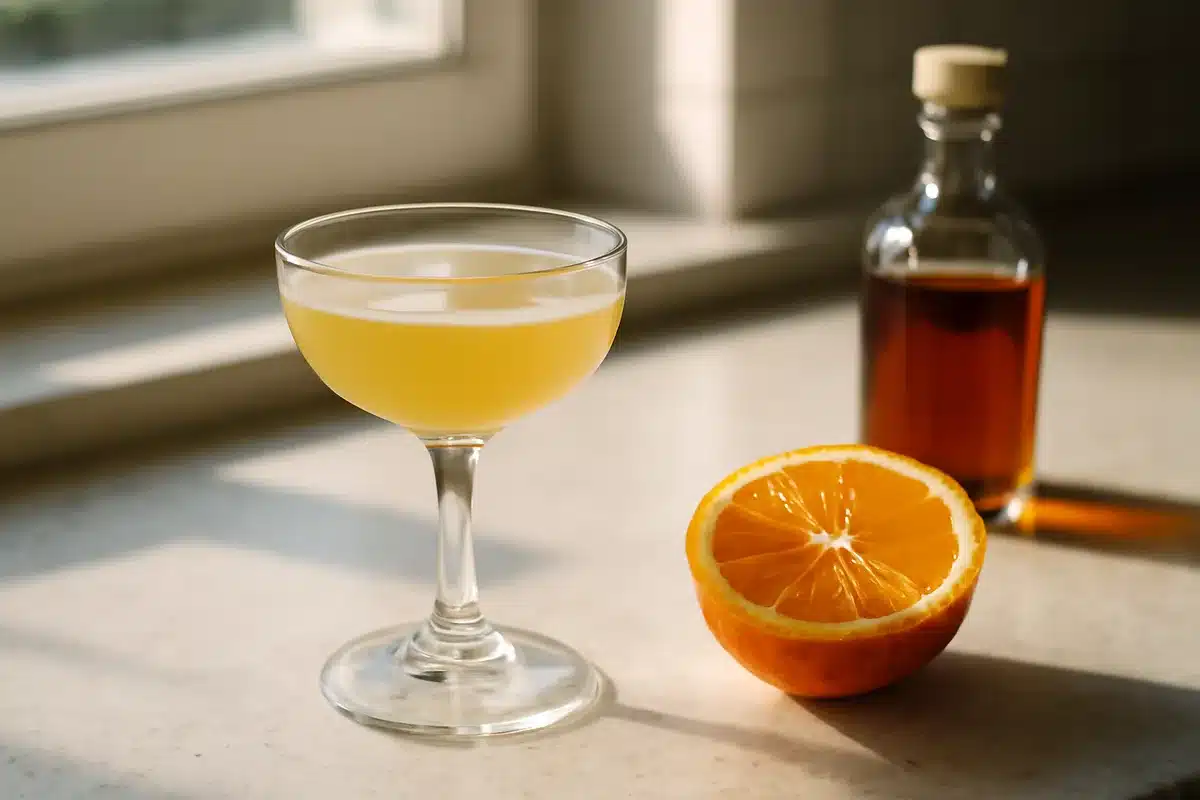
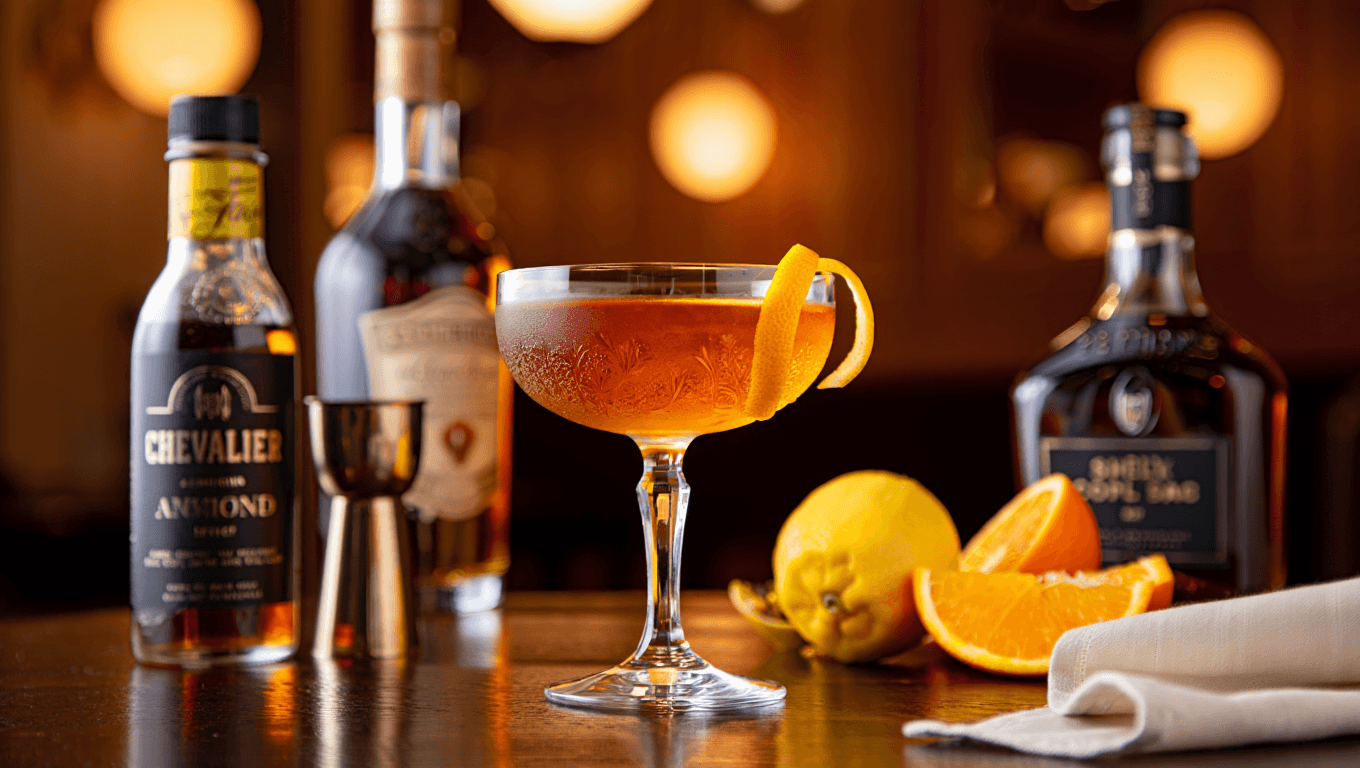
The Chevalier cocktail blends the elegance of a classic Sidecar with a slightly sharper citrus bite, delivering a balanced brandy drink that feels at home in any cocktail menu. Crafted from cognac, orange liqueur and fresh lemon, this recipe brings aromatic bitters and a hint of saline to sharpen the finish while retaining a smooth, sippable profile. Whether you are refining a home bar or studying classic cocktails, the Chevalier cocktail recipe rewards careful technique and precise measurements.
What ingredients compose the Chevalier cocktail?
How to make a Lucky Lily margarita: spicy tequila and pineapple cocktail recipe
Lavender and honey daiquiri recipe: easy floral cocktail
The Chevalier relies on a small number of high-quality ingredients that work together to create a bright and boozy sour. Fresh lemon juice keeps the drink lively while cognac provides depth and warmth. Adding a dash of Angostura bitters gives aromatic complexity and a tiny amount of saline can round the edges without noticeable saltiness.
| Amount | Ingredient | Notes |
|---|---|---|
| 45 ml | Cognac (brandy) | Base spirit; use a VS or VSOP for good balance |
| 15 ml | Triple sec (40%) | Crisp orange liqueur such as Cointreau or De Kuyper |
| 22.5 ml | Fresh lemon juice | Always freshly squeezed for best brightness |
| 5 ml | Rich sugar syrup (2:1) | Provides body without over-sweetening |
| 5 ml | Chilled water | Omit if using wet ice; smooths texture |
| 2 dashes | Angostura aromatic bitters | Adds spice and aromatic lift |
| 2 drops | Saline solution (20 g salt / 80 g water) or pinch of salt | Optional; enhances balance |
Measured precisely, these ingredients yield a balanced beverage that hovers between sweet and tart while staying decidedly boozy. Substitutions work but change the character; for instance, using a different orange liqueur shifts sweetness and aroma.
How should you prepare and serve a Chevalier cocktail?
Select a chilled coupe glass and plan your garnish before mixing so the drink reaches the glass at optimal temperature. Prepare a thin lemon twist and set it aside; the expressed oils will be the final aromatic flourish. Use fresh lemon juice and a rich syrup to keep mouthfeel rounded and aromatic bitters for complexity.
- Pre-chill a coupe glass.
- Add 45 ml cognac, 15 ml triple sec, 22.5 ml lemon juice, 5 ml rich syrup, 5 ml chilled water, 2 dashes Angostura and optional saline into a shaker.
- Shake vigorously with ice for about 10–12 seconds.
- Fine strain into the chilled coupe.
- Express a lemon twist over the surface and drop it in as garnish.
Small technique tips improve the final result and make the cocktail more consistent. Use a fine strainer to remove ice shards and pulp and shake long enough to achieve a silky texture without over-diluting.
What does the Chevalier taste like and how strong is it?
This cocktail sits on the drier side of the sour family while keeping a warming spirit backbone. The cognac provides a rich, fruity base and the triple sec contributes clean orange notes. Lemon juice delivers acidity that cuts through the booze and the sugar syrup keeps the drink from feeling sharp.
In practical terms the Chevalier is a moderately strong cocktail. Expect approximately 19.17% ABV and about 154 calories per serving, which corresponds to roughly 1.4 standard drinks. Adjustments in spirit quantity, dilution or syrup will change both perceived strength and caloric content.
Where does the Chevalier originate and what do classic sources say?
The drink appears in vintage cocktail literature and shows up as a variation on the Sidecar family. Early 20th century bartenders recorded similar proportions of brandy, orange liqueur and lemon, sometimes adding sugar and aromatics. That lineage explains why the Chevalier feels familiar yet distinctive.
Historical recipes emphasize shaking well and straining into a cocktail glass, often recommending a bit of sugar and aromatic bitters for complexity. Modern bartenders usually follow that script while fine-tuning dilution and garnish to suit contemporary palates.

Andrew Cole focuses on everyday drinks, from warm comfort beverages to refreshing options. His writing emphasizes balance, clarity, and ease of preparation.