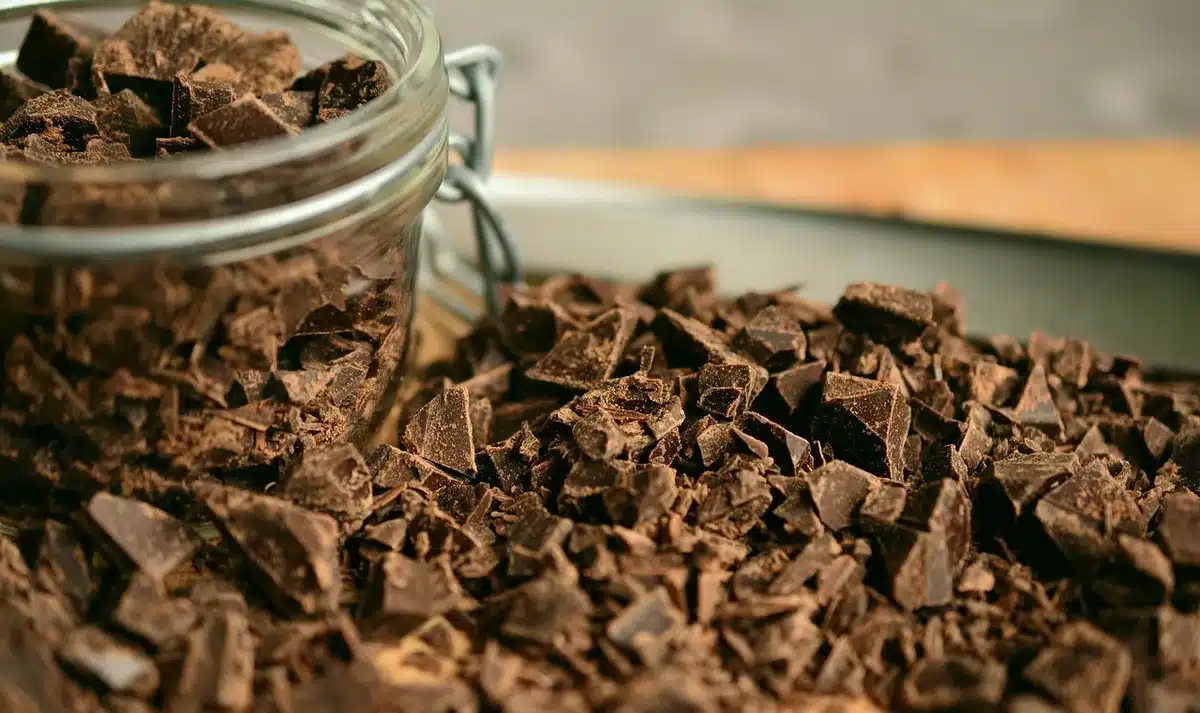
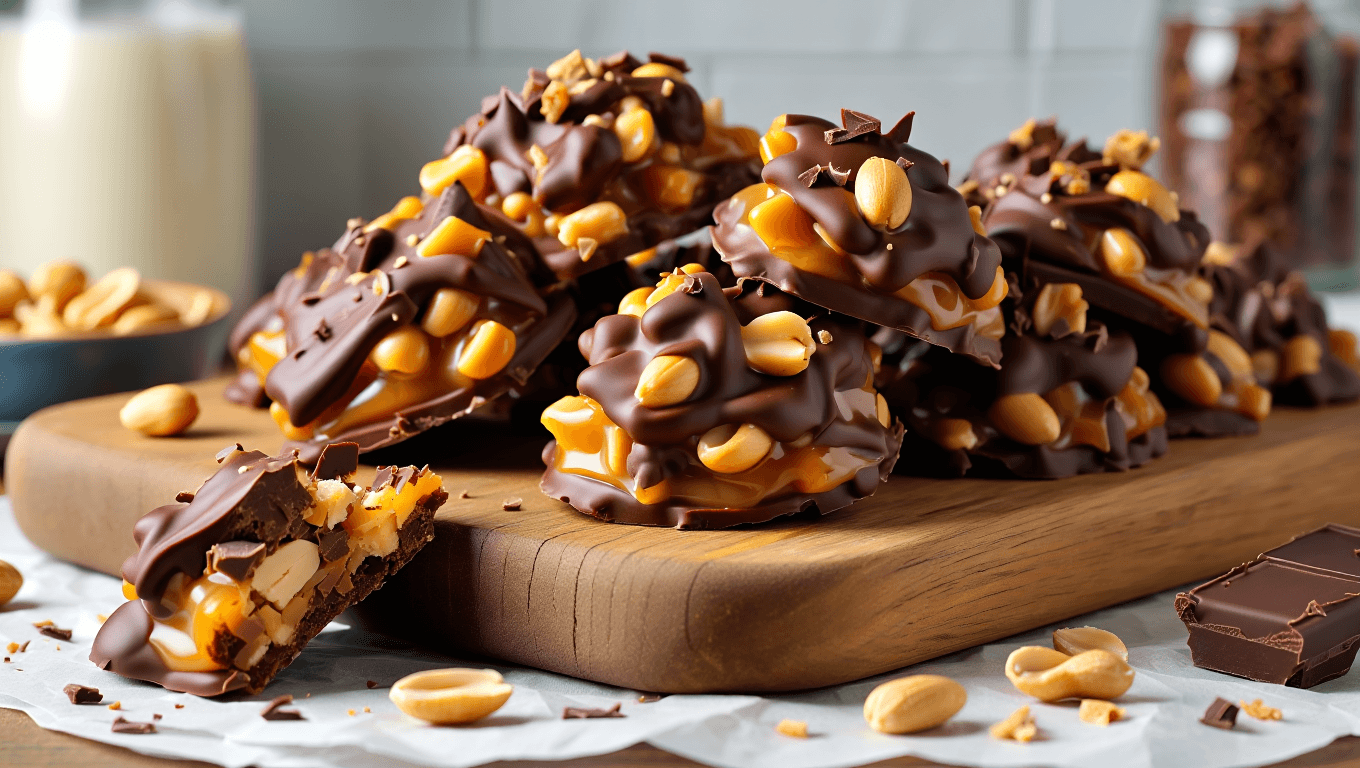
Crunchy bits of peanut, glossy toffee, and a coat of dark chocolate come together in a simple treat that tastes like celebration in every bite. This recipe for peanut toffee chocolate clusters works for busy afternoons, holiday plates, or last-minute gifts. You will find clear steps, practical tips, and smart variations that keep the result reliable whether you are experienced in the kitchen or making these clusters for the first time. The final product balances sweet toffee and roasted peanuts under a smooth chocolate shell for a snack that stores well and travels easily.
What makes peanut toffee chocolate clusters irresistible?
How to make a Lucky Lily margarita: spicy tequila and pineapple cocktail recipe
Lavender and honey daiquiri recipe: easy floral cocktail
The contrast of textures creates the first appeal: brittle toffee shards meet crunchy peanuts and a velvet layer of chocolate. Each element plays a role in flavor balance, so precise temperature control on the toffee matters a great deal. Small adjustments change the mouthfeel, which is why this treat feels both indulgent and familiar.
Using roasted, lightly salted peanuts enhances the sweet-salty interplay without overwhelming the toffee notes. Darker chocolate adds depth and prevents the cluster from tasting cloyingly sweet. If you prefer a lighter finish, milk chocolate will still give excellent results but with a sweeter profile.
Beyond taste, these clusters are forgiving. You can assemble them quickly and they hold up well at room temperature for short events. That resilience makes them ideal for gatherings and homemade gift boxes. With minimal equipment and pantry-friendly ingredients you will consistently obtain an attractive, crunchy snack.
Which ingredients and tools are essential?
Ingredient quality determines the outcome more than complex technique. Choose fresh roasted peanuts, real butter, and a chocolate with at least 55 percent cocoa for structure and flavor. White or brown sugar will create distinct toffee notes, so pick the one that matches your taste.
Use the following ingredient list as a baseline and scale if needed. The table below groups amounts for approximately 24 clusters.
| Ingredient | Amount | Notes |
|---|---|---|
| Unsalted butter | 115 g (1/2 cup) | Room temperature |
| Granulated sugar | 200 g (1 cup) | White sugar for classic toffee |
| Light corn syrup | 60 ml (1/4 cup) | Helps prevent crystallization |
| Roasted peanuts | 200–240 g (1–1¼ cups) | Chopped or whole depending on texture desired |
| Sea salt | Pinch | Enhances flavor |
| Dark chocolate (55–70%) | 300 g (10–11 oz) | Chopped for easy melting |
Minimal equipment keeps the process smooth. You will need a heavy-bottomed saucepan, a reliable candy thermometer, parchment paper, and a baking sheet. A heatproof spatula and a small scoop or spoon make portioning the clusters easier.
How do you make them step by step?
Prepare a baking sheet lined with parchment and measure all ingredients before turning on the stove. Preheat will not be necessary, but organization is key because toffee moves quickly once it reaches temperature. Place the sugar, butter, and corn syrup into the saucepan and set the heat to medium.
Stir gently until the butter melts, then stop stirring and attach the candy thermometer to the pan. Bring the mixture to a steady boil and monitor until it reaches 150°C (300°F), the hard crack stage. Resist the urge to stir at this point as agitation can cause sugar crystals to form.
Remove the pan from heat and quickly fold in the peanuts and a pinch of salt. Work with speed because the toffee will begin to set as it cools. Spoon clusters onto parchment in mounds and allow them to cool and harden for about 20 minutes before tempering chocolate for coating.
What is the best method for coating and finishing?
Temper the chocolate for a glossy, snap-worthy finish using a simple melt-and-cool method. Melt two-thirds of the chocolate over low heat or in a double boiler until it reaches about 45–50°C (113–122°F). Remove from heat and stir in the remaining chocolate until the mixture cools to about 31–32°C (88–90°F) for dark chocolate.
Dip each cooled toffee-peanut mound into the tempered chocolate or drizzle it evenly on top. Use a fork to lift and shake off excess chocolate, then set the clusters back on parchment. Sprinkle a little flaky sea salt while the coating is still wet if you want an elevated contrast.
Let the clusters sit at room temperature until the chocolate fully sets, about 30–60 minutes depending on ambient conditions. Avoid refrigeration unless humidity or melting is a concern, because condensation can dull the shine and soften the toffee.
How long do they keep and can you adapt the recipe?
Stored in an airtight container at cool room temperature, these clusters will stay fresh for up to two weeks. Layer parchment between trays and avoid stacking too tightly to keep shapes intact. For longer storage, freeze in a single layer for an hour and then transfer to a sealed container for up to three months.
Dietary swaps are straightforward. Swap peanuts for roasted almonds or pecans for a different flavor profile. For a gluten-free option, verify that your corn syrup and chocolate are certified free from cross-contamination. If vous need a nut-free version, substitute crisped rice or toasted seeds and adjust toasting time to avoid burning.
Sugar-free adaptations require a careful choice of sweeteners that behave similarly under high heat. Maltitol or erythritol blends can sometimes work but expect slight differences in texture. When experimenting, try a small batch first to validate the final crunch and flavor.
Consider flavor additions such as a teaspoon of vanilla or a pinch of cayenne for a subtle kick. Mix-ins like shredded coconut or chopped pretzels add complexity and are easy ways to create signature variations for gifting or seasonal menus.
What practical tips guarantee consistent results?
Always use a reliable candy thermometer and test it before starting by dipping in boiling water to ensure accuracy. Consistent heat distribution matters more than stirring technique once the sugar begins boiling. Use a heavy-bottomed pan to avoid hot spots and uneven caramelization.
Work swiftly when combining toffee and peanuts; the mix becomes unworkable as it cools. Pre-measure and position utensils within reach before cooking. When coating with chocolate, keep it warm and melted but avoid overheating which dulls the finish.
- Tip 1: Use room-temperature peanuts to minimize shock cooling.
- Tip 2: Cool clusters on a wire rack for airflow if you expect faster setting.
- Tip 3: If chocolate loses shine, gently re-temper rather than reheating directly.
Small adjustments in sugar, chocolate percentage, or nut size produce noticeable differences, so maintain notes when you change the formula. That practice helps you refine the recipe and repeat your favorite version every time.

Tyler Benson specializes in quick and practical snack ideas for active lifestyles. His content focuses on efficiency, flavor, and everyday convenience.