Quick, bright, and surprisingly flavorful, these sautéed green beans with garlic transform a humble side into something you will want on repeat for weeknight dinners. A handful of simple ingredients and a short skillet session deliver crisp-tender beans with a lively garlic finish that complements fish, chicken, or a roast. The recipe emphasizes speed and technique so you can get vegetables on the table in under 15 minutes without sacrificing taste. Packed with vitamin-rich green beans and boosted by lemon and garlic, this is an easy side dish that holds up to busy evenings and guests alike.
Why do these green beans taste better than ordinary sautéed beans?
How to make an aged honey daiquiri: rum cocktail recipe and flavor tips
Mint and basil pesto recipe: easy homemade pesto with fresh herbs
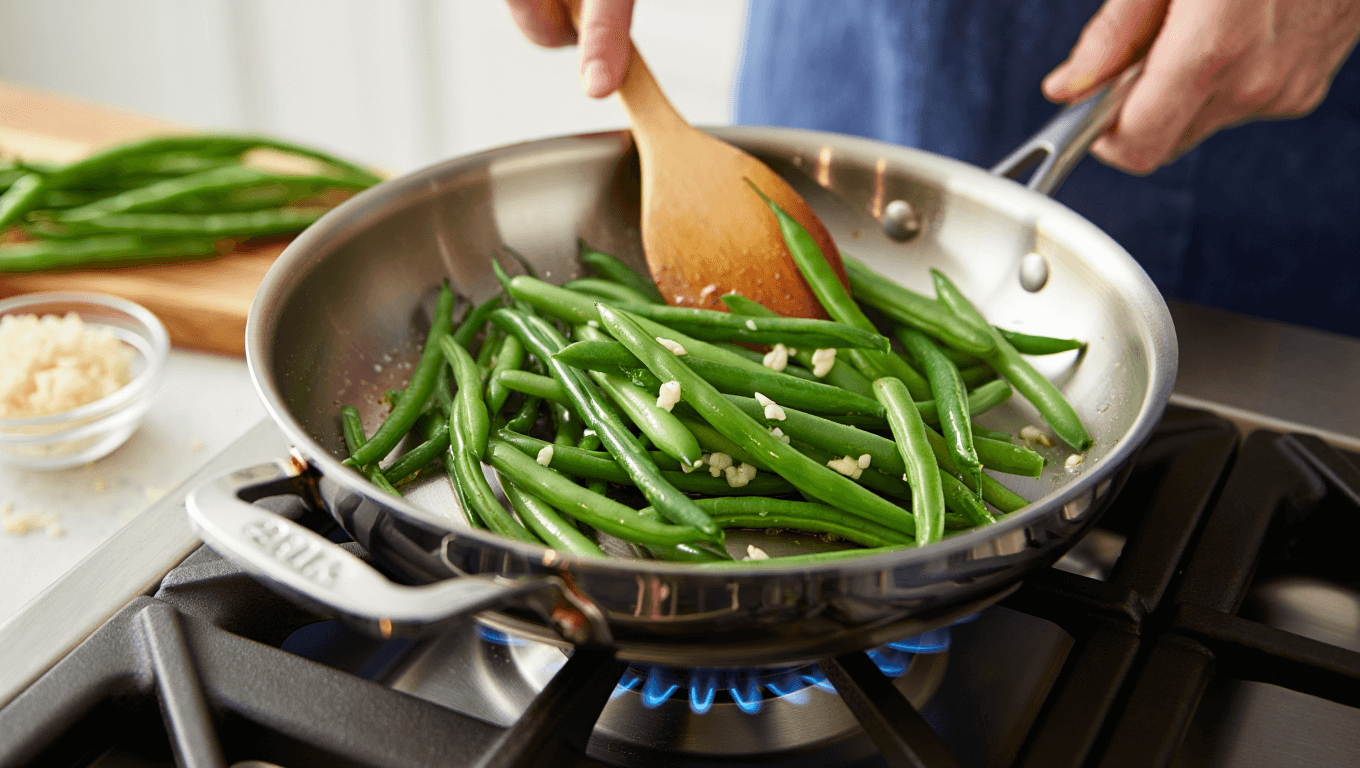
Heat and timing make all the difference when sautéing green beans. Starting over medium-high heat gives the beans a pleasant sear while keeping the interior crisp. That contrast between tender inside and slightly blistered outside creates a texture that feels elevated compared with simply steaming or boiling.
An extra trick borrowed from experienced cooks is to reserve a small amount of raw minced garlic and add it after the pan comes off the heat. The residual warmth softens the garlic’s edge and keeps its aroma bright. The result is a creamy, fresh garlic note that layers with the cooked cloves and lemon zest for real impact.
What ingredients create the best garlic sautéed green beans?
Keep the ingredient list short and focused on freshness. Fresh green beans, good olive oil, garlic, lemon, a pinch of salt, and a splash of cold water provide everything you need for a vivid side dish. Using high-quality extra-virgin olive oil and a ripe lemon makes the flavors sing with minimal effort.
Below is a clear ingredient reference you can use at a glance. Swap suggestions appear in the third column so you can adapt the recipe to what you already have in the pantry.
| Ingredient | Amount (serves 4–6) | Swap or note |
|---|---|---|
| Fresh green beans | 1 lb (about 450 g), trimmed | Use haricots verts for thinner stalks |
| Extra-virgin olive oil | 1–2 tbsp | Ghee or neutral oil for higher heat |
| Garlic | 3 cloves, minced; reserve 1 clove raw | Garlic paste in a pinch, add less raw |
| Cold water | 1/4 cup (60 ml), divided | Vegetable stock for extra depth |
| Lemon | Zest and juice of 1 large lemon | Use 1 tsp vinegar if no lemon available |
| Salt | To taste | Finish with flaky sea salt for crunch |
How should you cook these green beans so they stay crisp and flavorful?
Preheat a large sauté pan over medium-high heat until it feels hot but not smoking. Add just enough oil to coat the pan and let it shimmer. Work in batches if the pan would become crowded; crowding steals the sear that creates texture.
Start by sautéing half the beans for about four minutes while tossing occasionally. Add a third of the minced garlic, a pinch of salt, and about two tablespoons of cold water. The water generates a quick steam that helps the beans become tender without turning mushy.
Repeat that process with the remaining beans so they cook evenly. Remove the pan from the heat and immediately toss everything with the reserved raw garlic, lemon zest, and lemon juice. Season again if necessary and serve warm for best flavor.
What quick tips improve the final result?
Small adjustments produce big flavor improvements when you prepare a simple vegetable dish. Reserve a tiny amount of raw garlic for the finish. This technique adds a fresh garlic presence without overpowering the dish.
- Use a roomy skillet so beans can move freely and brown evenly.
- Add cold water in short bursts to control tenderness.
- Finish with lemon zest and juice for brightness.
If vous are preparing this for a crowd, double the beans and cook in two pans rather than one overloaded pan. That keeps the texture consistent and preserves the bright garlic and citrus notes for every plate.
How can you adapt this recipe for different meals?
These green beans pair beautifully with grilled salmon, roasted chicken, or a simple steak. Toss them with toasted almonds or chopped parsley for added texture and color. Make them part of a composed plate or serve them family-style alongside a grain and a protein.
For a heartier version, add thinly sliced shallots at the beginning or finish with a pat of butter and a handful of grated Parmesan. You can also incorporate chopped tomatoes or olives for Mediterranean flair. Small changes like these let the same base recipe work across many menus.
Keep experimenting and note what you prefer. If vous favor a spicier finish, add a pinch of red pepper flakes at the end. The core technique stays the same and remains dependable across variations.

Elliot Raymond focuses on side dishes that balance meals without overpowering them. His recipes are flexible, light, and easy to pair with a variety of cuisines.