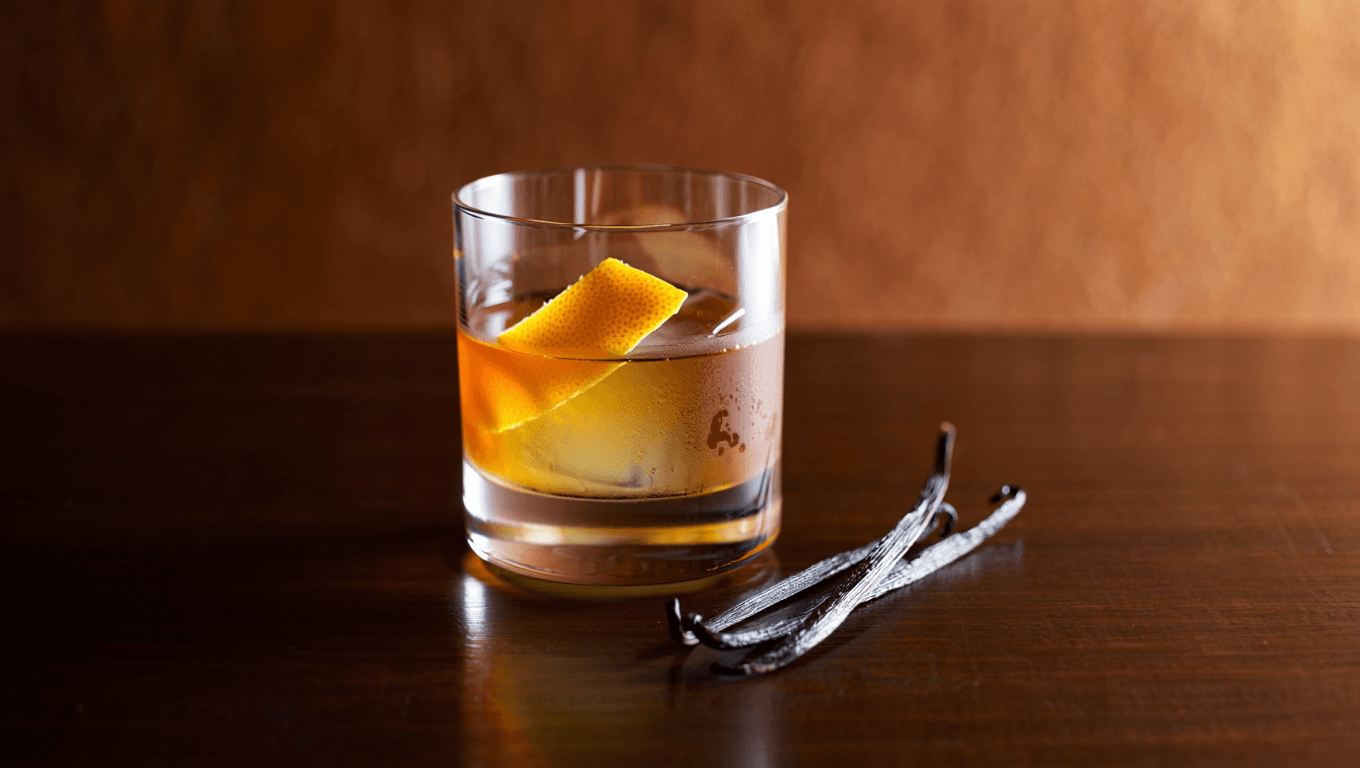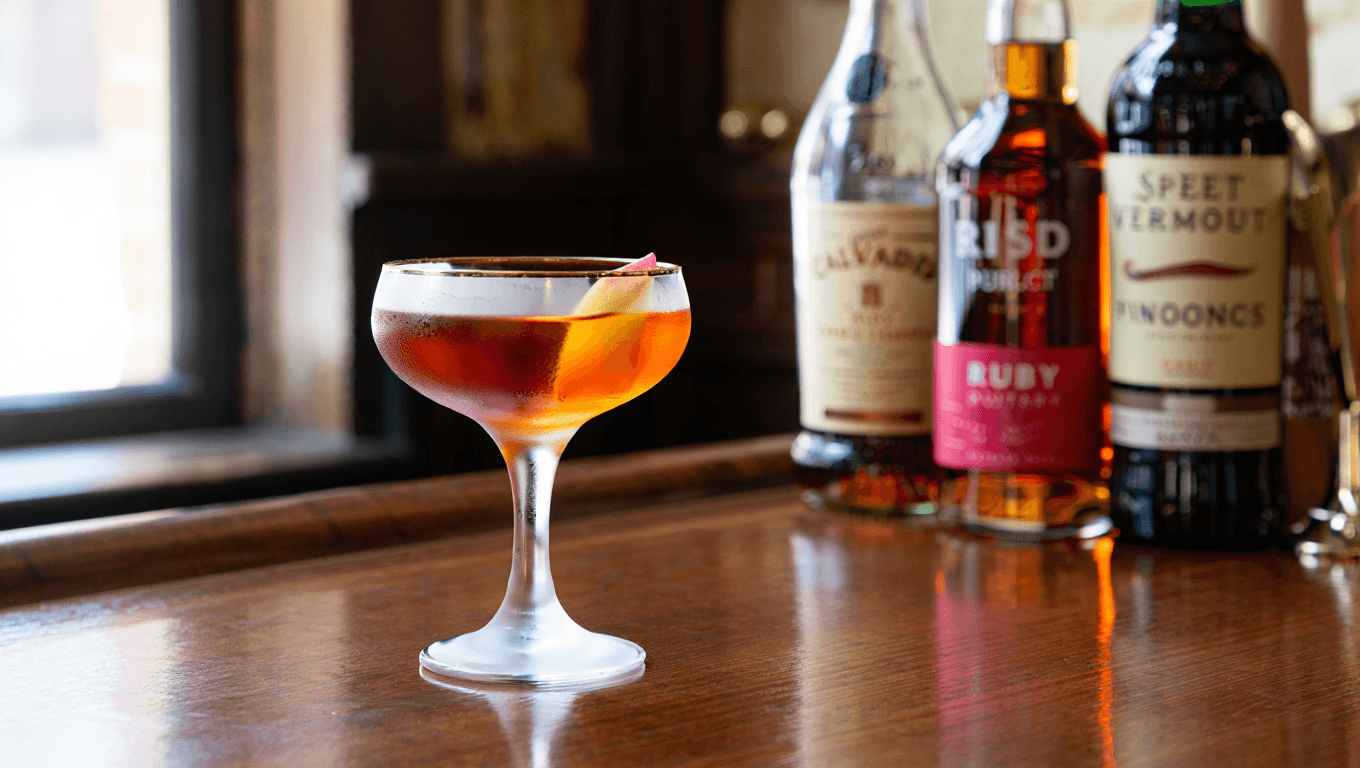
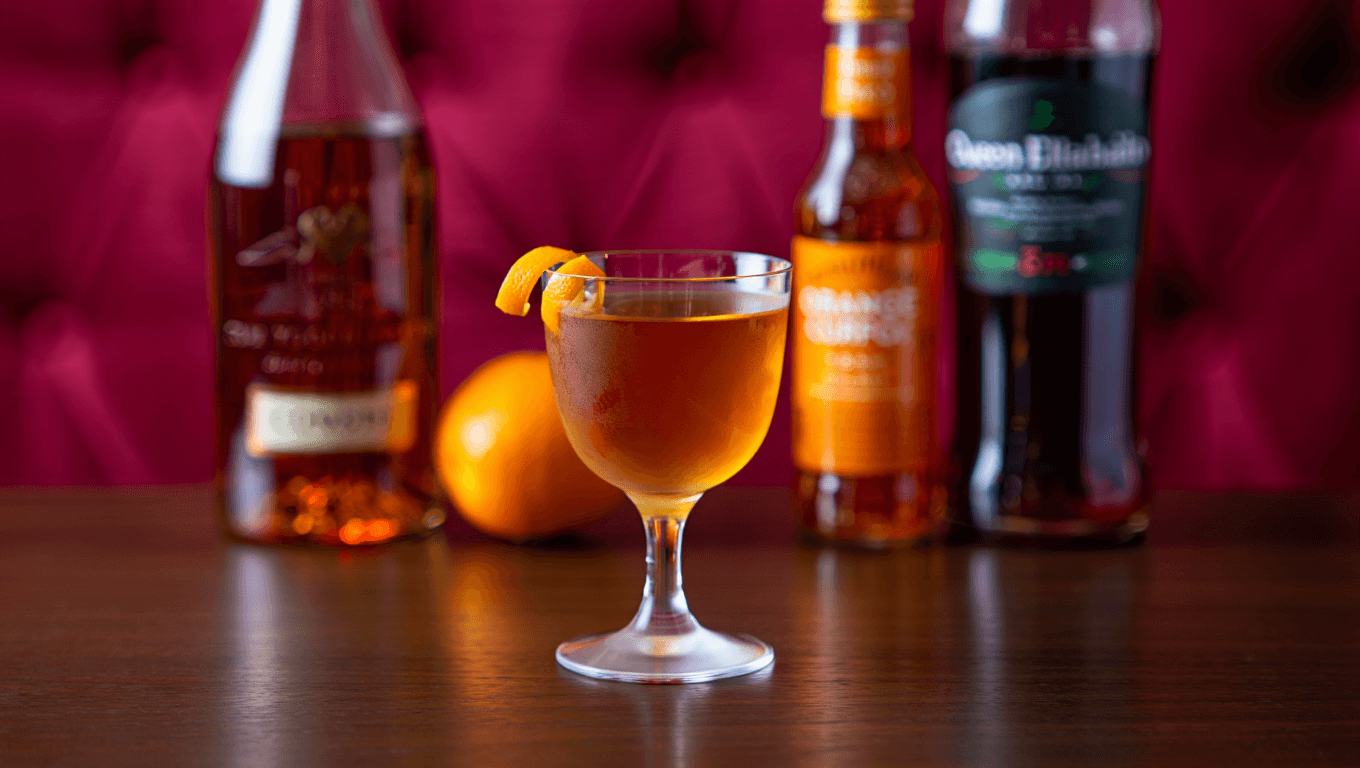
The Queen Elizabeth No. 2 stands out as a refined, spirit-forward cocktail that balances the warmth of cognac with sweet vermouth and a bright orange note. This stylish, stirred drink is perfect for evenings when you want something elegant but uncomplicated. The recipe uses simple, high-quality ingredients and finishes with a classic maraschino cherry garnish served in a chilled coupe glass. Readers searching for a vintage Manhattan-style tipple will find precise measurements, tasting notes, and practical tips below to recreate this cocktail at home.
What exactly is the Queen Elizabeth No. 2?
Top 20 St. Patrick’s Day cocktail recipes: easy green drinks for parties
Creamy Cajun pasta recipe with peppers and smoked sausage
This cocktail is a near-relative of a Sweet Manhattan but swaps whiskey for brandy, giving the drink a rounded, vinous base. The combination of cognac, rosso vermouth, and orange curaçao creates a mellow sweetness with an orange lift. The finished drink is stirred and served straight up in a coupe glass for a classic presentation.
Built for sipping, the Queen Elizabeth No. 2 is spirit-forward and best enjoyed slowly. It appeals to anyone who appreciates balanced, low-volume cocktails that still deliver depth and warmth.
Its provenance sits in the realm of vintage cocktails, adapted here for the modern home bartender who values clarity and simple technique. Serve it for guests who like a refined, aromatic coupe-style serve.
Which ingredients and measures are required?
The recipe uses just three main spirits and a garnish. Using quality cognac and a well-made sweet vermouth changes the drink more than any fancy technique will. Below is an ingredient table you can save or print for reference.
| Ingredient | Measure | Note |
|---|---|---|
| Cognac (brandy) | 45 ml | Use a VSOP for smoothness |
| Rosso sweet vermouth | 30 ml | Chilled before mixing |
| Orange Curaçao liqueur | 10 ml | Adds citrus depth |
How do you prepare and serve this cocktail?
Begin by pre-chilling a coupe glass in the freezer or with ice and water. Prepare a garnish of a skewered maraschino or Luxardo cherry and set it aside.
Fill a mixing glass with plenty of ice, add the cognac, rosso vermouth, and orange curaçao, then stir until well-chilled and properly diluted. Strain the mixture into the chilled coupe and drop the skewered cherry across the rim or into the drink.
If vous want a slightly colder drink, rest the stirred cocktail in the chilled glass for a few seconds before serving. Small timing adjustments will affect dilution and temperature, so taste and adjust on your next pour.
What does the Queen Elizabeth No. 2 taste like and how strong is it?
The profile is rich and rounded with a sweet backbone from the rosso vermouth. Orange curaçao lifts the finish with subtle citrus while cognac provides warmth and depth.
On balance the cocktail sits in the boozy and medium-sweet range. It is not overly sweet but clearly spirit-forward, so it pairs well with savory hors d’oeuvres or a cheese board.
For quick reference the recipe yields approximately 179 calories per serving and about 24.83% alc./vol. which equals roughly 1.5 standard drinks. Keep these numbers in mind when planning portions for your guests.
Are there allergens or easy substitutions?
The main allergen risk is sulphites present in rosso vermouth, so anyone sensitive to sulphur dioxide should avoid this ingredient. Check labels carefully if vous need to be certain about allergen content.
Substitutions let you adapt the cocktail to what you have on hand without losing character. Consider these swaps and tips:
- Replace cognac with a quality aged brandy if you prefer a gentler oak note.
- Use triple sec or Cointreau as alternatives to orange curaçao for a brighter orange profile.
- Opt for a drier vermouth and reduce by 5–10 ml if you want a less sweet version.
These adjustments change balance, so tweak incrementally and taste as you go. Small tweaks let vous personalize the drink while preserving the original spirit of the Queen Elizabeth No. 2.

Andrew Cole focuses on everyday drinks, from warm comfort beverages to refreshing options. His writing emphasizes balance, clarity, and ease of preparation.