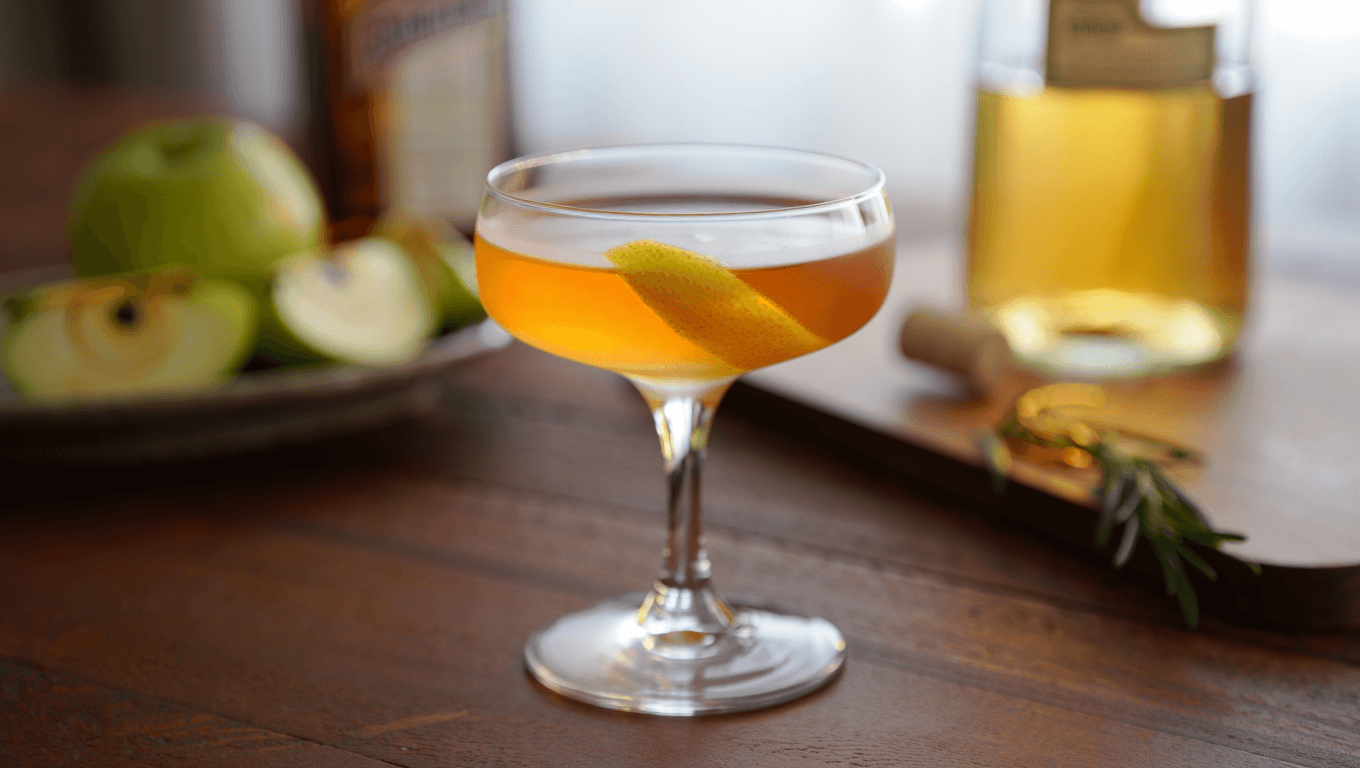
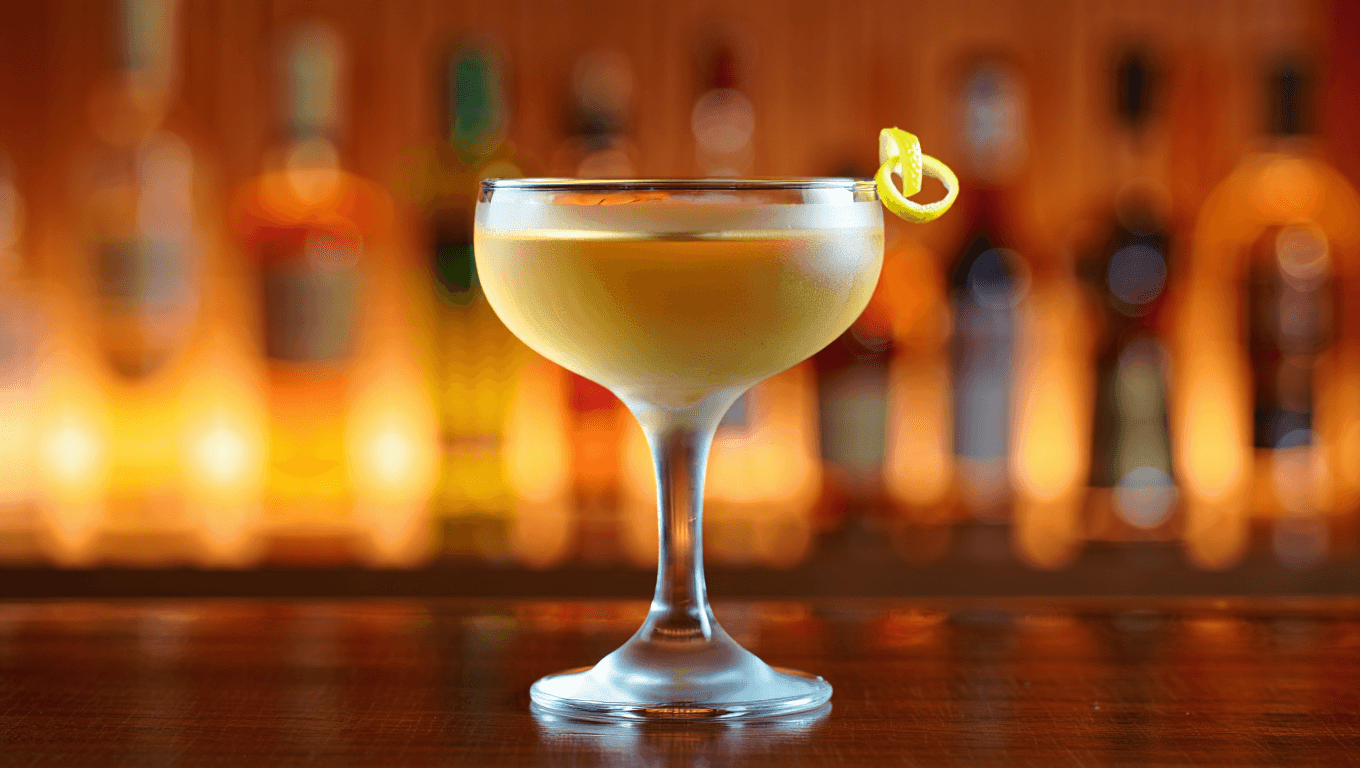
Queen Elizabeth No. 1 is a graceful vintage cocktail that pairs London dry gin with citrus brightness and a whisper of absinthe. The drink balances tart lemon, orange liqueur and a touch of rich syrup for a smooth mouthfeel. Presented in a chilled coupe, this Chelsea-style Sidecar delivers a refined aperitif experience that suits intimate evenings and small gatherings.
What is the Queen Elizabeth No. 1?
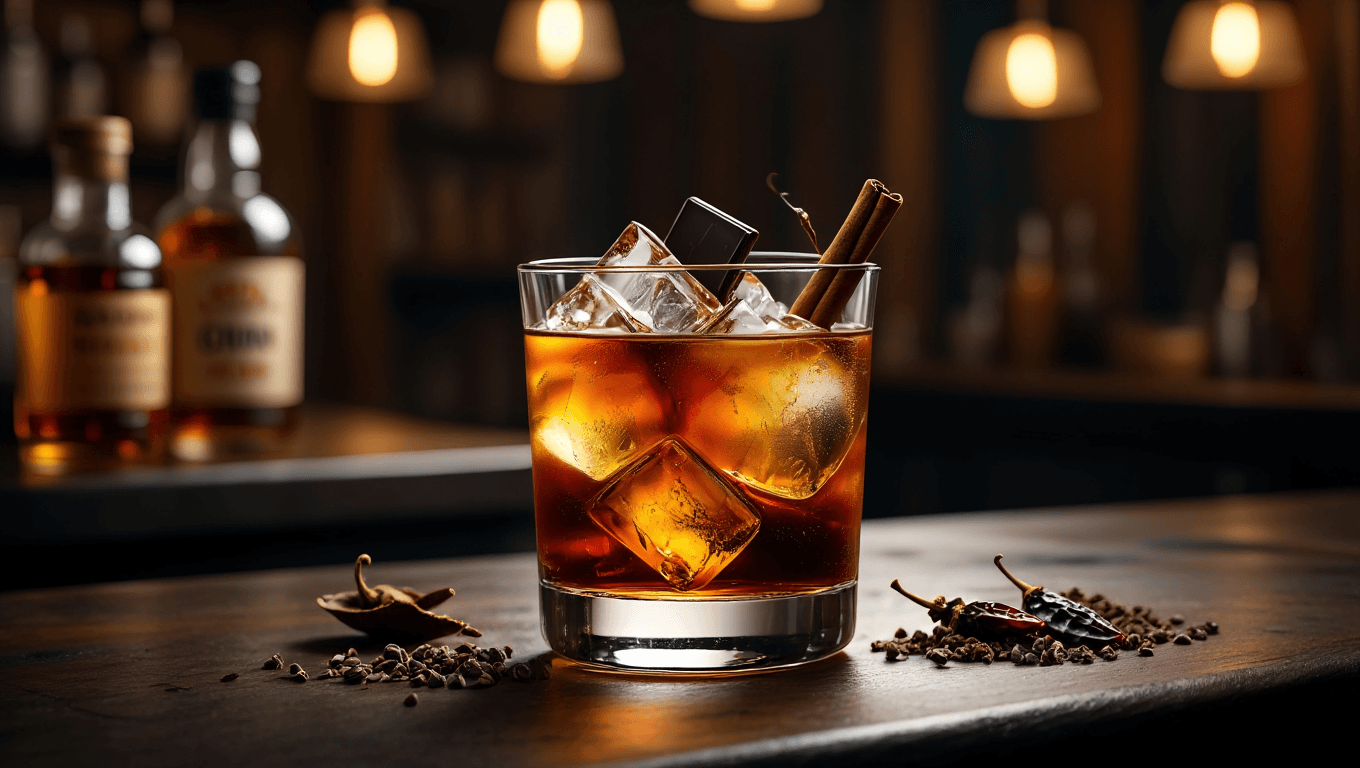
Mole Old Fashioned recipe: corn and rye whiskey with chocolate and spice notes
Easy slow cooker honey garlic chicken recipe
Queen Elizabeth No. 1 stands as a classic from the pre-war cocktail canon that leans on gin rather than brandy. Its profile echoes the Sidecar family while keeping a distinctly English backbone through the gin choice. Bartenders value it for its elegant simplicity and bright aromatic finish.
The cocktail blends fresh lemon, triple sec and a small measure of absinthe for complexity. Sugar syrup softens the edges and helps bind the flavors. This recipe works well when attention is paid to dilution and fresh ingredients, and it adapts nicely if vous want to tweak sweetness.
Which ingredients do you need?
This version relies on common bar staples plus a dash of absinthe to lift the aromatics. Fresh lemon juice and a quality triple sec or curaçao make a clear difference in flavor. Use a London dry gin that offers botanical clarity rather than heavy sweetness.
| Quantity | Ingredient |
|---|---|
| 45 ml | Hayman’s London Dry Gin or similar |
| 15 ml | Triple sec (e.g., De Kuyper) |
| 22.5 ml | Fresh lemon juice |
| 5 ml | Rich sugar syrup (2:1 sugar to water) |
| 2 dashes | Absinthe (La Fée Parisienne or similar) |
Small adjustments will change the final balance. Reduce syrup if vous favor a more tart finish. Swap the triple sec for a premium curaçao if you want a rounder orange note. Use absinthe sparingly since it can dominate when overused.
How do you prepare and serve it?
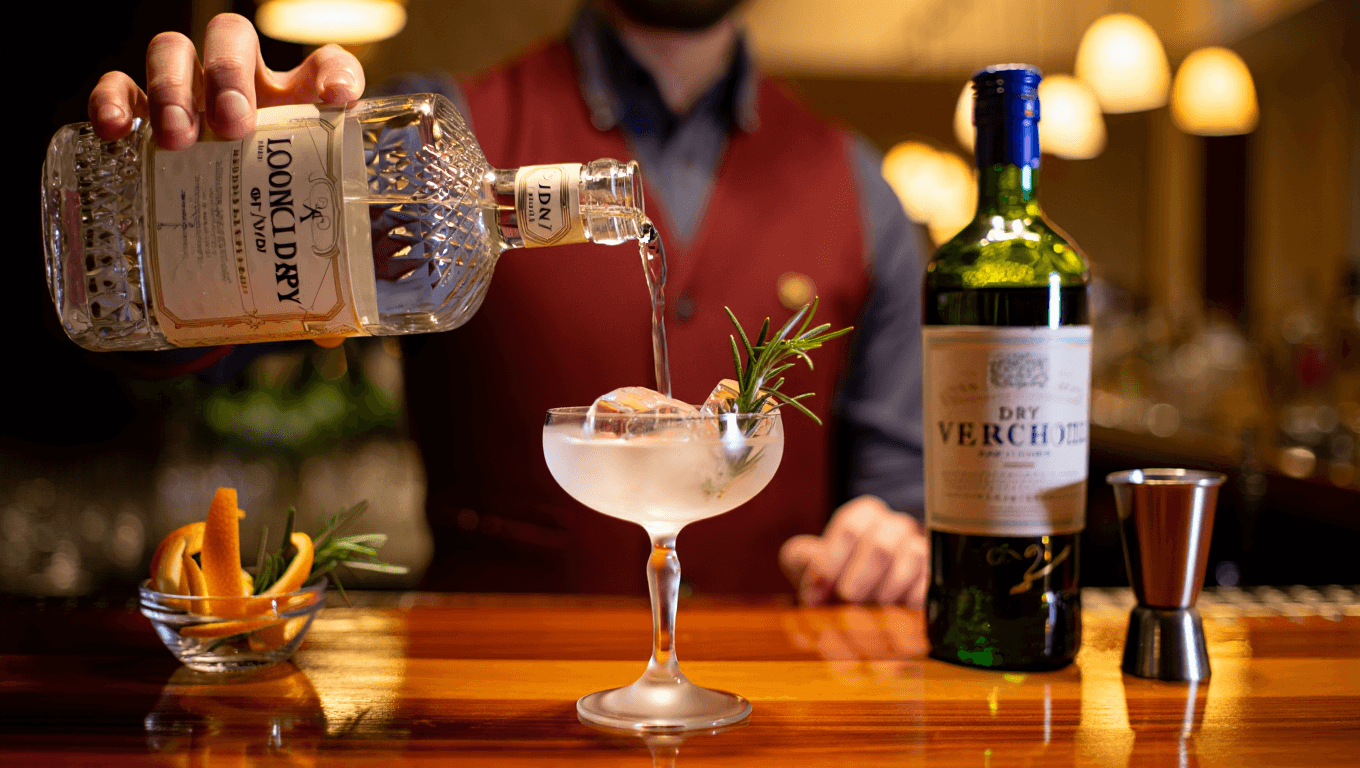
Begin by chilling a coupe glass and preparing a lemon twist. Combine 45 ml gin, 15 ml triple sec, 22.5 ml fresh lemon juice, 5 ml rich sugar syrup and 2 dashes absinthe in a shaker. Add plenty of fresh ice and seal the shaker securely. Shake vigorously until the shaker feels cold and slightly frosted to ensure proper dilution and texture.
Fine strain into the chilled coupe to remove small ice shards and create a silky appearance. Express the lemon twist over the surface to release essential oils and then rest it on the rim or float it gently. This final aromatic touch lifts the drink.
Serve immediately so the aromatics remain vivid and the texture stays smooth. The coupe concentrates the nose and makes each sip more focused. If vous plan to prepare several, chill glasses in advance and shake each serving individually for best results. Small-batch batching will not reproduce the same brisk dilution and mouthfeel as single serves.
What does the cocktail taste like?
The initial sip offers crisp lemon and a gentle orange sweetness that plays against a juniper-rich gin backbone. Absinthe contributes a delicate anise perfume that appears mainly on the finish. Rich sugar syrup rounds the mid-palate, preventing the drink from feeling overly austere.
Flavor-wise the cocktail sits between dry and sour with noticeable spirit presence. Proper dilution yields a silky texture rather than harsh bite. The result works well as an aperitif and pairs with light hors d’oeuvres or citrus-forward canapés.
Where did this recipe originate?
This cocktail traces back to R. de Fleury’s 1934 collection, where it appeared under the Queen Elizabeth No. 1 name with simple proportions and a dash of absinthe. The original formulation used straightforward ingredients and relied on bartender technique rather than elaborate modifiers. Over time modern bartenders introduced a richer syrup ratio to better balance contemporary citrus demands.
The drink reflects vintage cocktail sensibilities: balance, minimalism and an emphasis on fresh citrus. Its kinship with the Sidecar family highlights the shared use of orange liqueur and lemon. Today it enjoys renewed interest among craft bartenders who favor fresh juice and precise dilution to let the botanicals sing.
What about calories and alcohol content?
One serving of Queen Elizabeth No. 1 contains approximately 154 calories as prepared with the amounts listed above. Most calories come from the triple sec and the sugar syrup. The cocktail’s alcohol by volume is roughly 20.8% alc./vol. which will vary by brand and exact measures.
These numbers are estimates and will change with substitutions or altered proportions. Lowering the syrup or choosing a lower-proof liqueur will reduce calories and overall strength. If vous track intake, measure each ingredient and adjust the recipe to fit your needs.
- 1.4 standard drinks per serving
- 20.83% alc./vol. (approximate)
- 19.7 g of pure alcohol per serving (estimate)

Andrew Cole focuses on everyday drinks, from warm comfort beverages to refreshing options. His writing emphasizes balance, clarity, and ease of preparation.