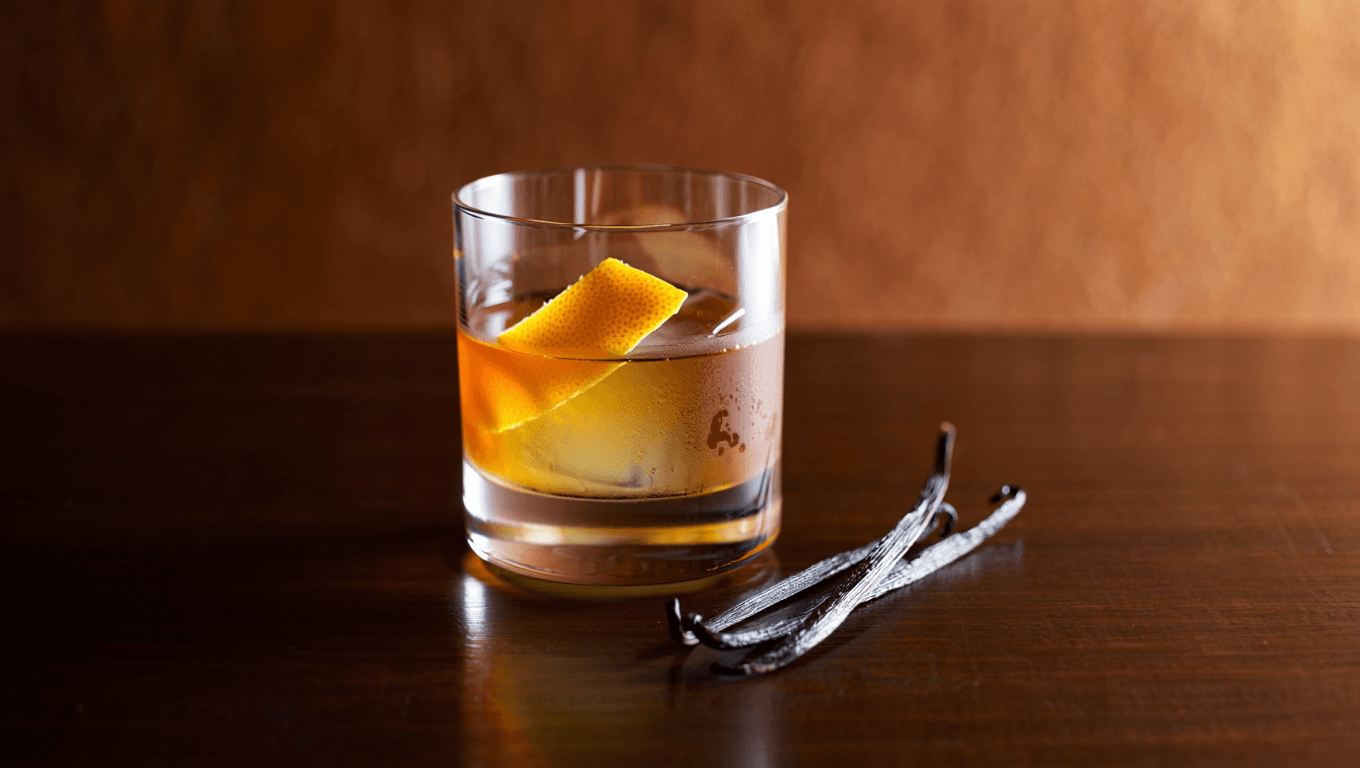
The Lotus Espresso Martini brings bold coffee and clean vodka into a silky, slightly sweet cocktail that works equally well as an after-dinner treat or a late-night pick-me-up. With a few quality ingredients and a quick shake, you can recreate this modern classic at home. This recipe highlights fresh espresso, a coffee liqueur, and maple syrup for depth and balance, while presenting a frothy crema crowned with three coffee beans. Readers searching for an espresso martini recipe, vodka cocktails, or a maple-flavored twist will find practical tips and precise measures below.
What makes the Lotus Espresso Martini special?
Top 20 St. Patrick’s Day cocktail recipes: easy green drinks for parties
Creamy Cajun pasta recipe with peppers and smoked sausage
The Lotus variation emphasizes real espresso and a touch of maple syrup, which add warmth and body to the classic formula. The drink keeps the characteristic dark coffee notes of an espresso martini while offering a slightly richer, smoother finish thanks to the syrup and coffee liqueur. This balance makes it both approachable for home bartenders and appealing at upscale bars.
When you choose ingredients carefully, the difference is obvious in the glass. Use a fresh, strong shot of espresso and a neutral, high-quality vodka for the clean backbone. Vous will notice the crema and aroma first, then the layered flavors that follow.
Which ingredients do I need?
This cocktail relies on a short list of components that should be measured accurately for consistent results. Use fresh espresso or a very strong brewed coffee combined with a coffee liqueur and a touch of maple syrup for sweetness. A reliable vodka completes the mix.
| Ingredient | Amount | Notes |
|---|---|---|
| Ketel One vodka (or other quality vodka) | 50 ml (1.7 fl oz) | Neutral spirit for a clean profile |
| Crème de Café (coffee liqueur) | 15 ml (0.5 fl oz) | Adds depth and sweetness |
| Maple syrup | 10 ml (0.3 fl oz) | Use pure maple for best flavor |
| Fresh espresso (hot) or strong brewed coffee | 30 ml (1 fl oz) | Preferably freshly pulled espresso |
Choose a chilled martini glass for presentation, and gather three coffee beans for the traditional garnish. Small changes in the coffee roast or syrup quantity shift the cocktail from sharp and dry to round and dessert-like.
How do you mix and serve it?
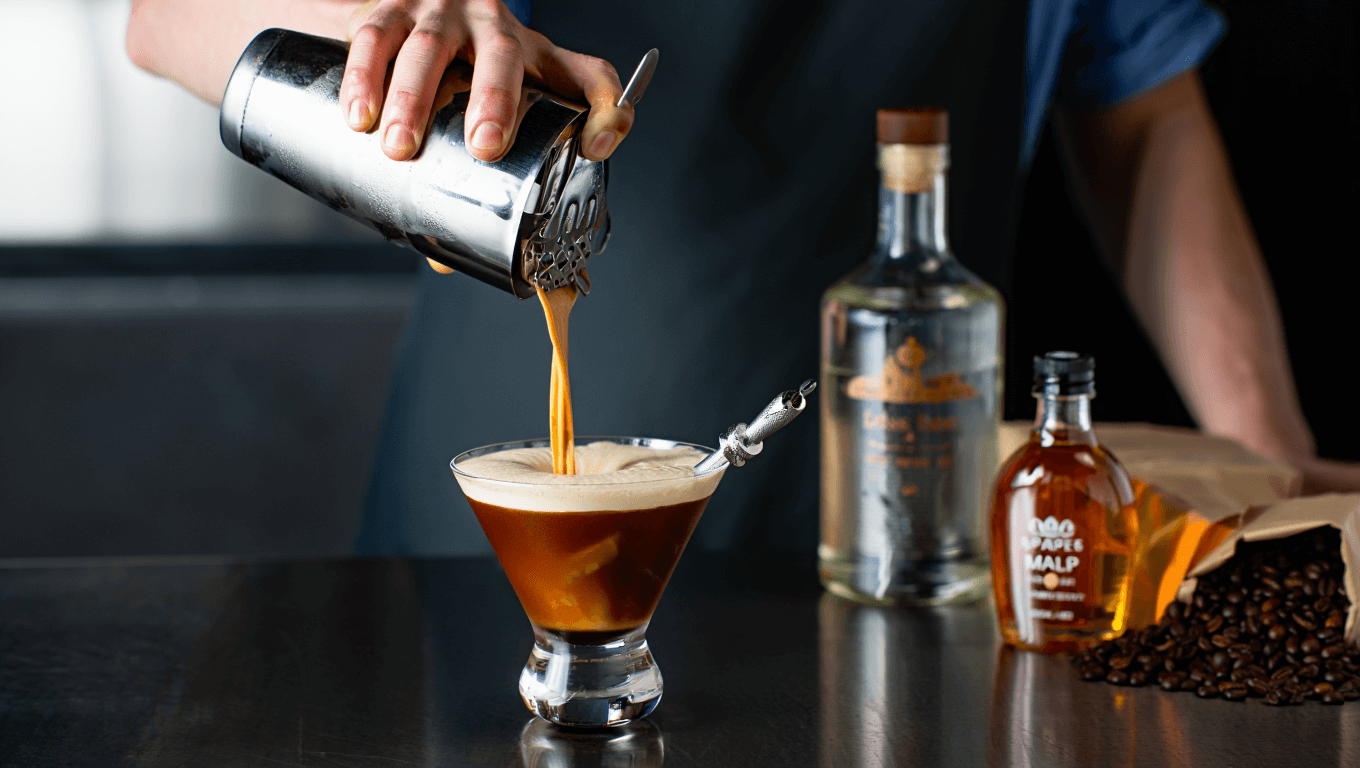
Begin by chilling a martini or coupe glass so the cocktail stays cool longer. Prepare a fresh shot of espresso and let it sit for a few seconds; the crema helps produce a foamy head when shaken. Fill a cocktail shaker with plenty of ice for rapid chilling.
Combine 50 ml vodka, 15 ml coffee liqueur, 10 ml maple syrup, and 30 ml hot espresso in the shaker. Seal and shake vigorously for about 12–15 seconds until the exterior of the shaker frosts and a thick foam forms. Fine-strain into the chilled glass to remove ice shards and produce a silky texture.
- Garnish with three coffee beans placed in a petal arrangement on the crema for classic presentation.
Serve immediately while the crema is prominent and the aromas are strongest. If you prefer a sweeter profile, increase the maple syrup by 2–3 ml; for a drier finish, reduce the liqueur slightly.
How strong is the cocktail and how does it taste?
The Lotus Espresso Martini sits in the medium-to-boozy range thanks to its vodka content and coffee liqueur. A standard serving typically equates to about 1.3 standard drinks with an alcohol by volume around 16.1% alc./vol. The vodka provides the alcoholic backbone while the coffee ingredients mask some of the heat.
Flavorwise, expect pronounced espresso aromatics up front, followed by a gentle sweetness from maple and the coffee liqueur. The finish leans toward dry and pleasantly bitter rather than cloying, making it a good digestif option after a meal.
Where did the Lotus Espresso Martini originate and what about nutrition?
The recipe evolved from a version first crafted at Lotus Bar in Sydney in 2005 and taps into the broader story of the espresso martini family. Bartenders adapted the classic by adding maple to round the edges and enhance mouthfeel while preserving coffee-forward character. That origin gives the drink both a bar-heritage pedigree and a home-friendly simplicity.
Nutritional and alcohol details are useful when planning a menu or counting calories. One serving of this recipe contains approximately 203 calories and about 18.1 grams of pure alcohol. Adjusting portion size or ingredient ratios will change those numbers, so consider smaller servings for long evenings.
If you want variations, try swapping maple for simple syrup or using a flavored vodka for a creative twist. Experimentation helps you refine the balance to suit your guests and the occasion.

Andrew Cole focuses on everyday drinks, from warm comfort beverages to refreshing options. His writing emphasizes balance, clarity, and ease of preparation.