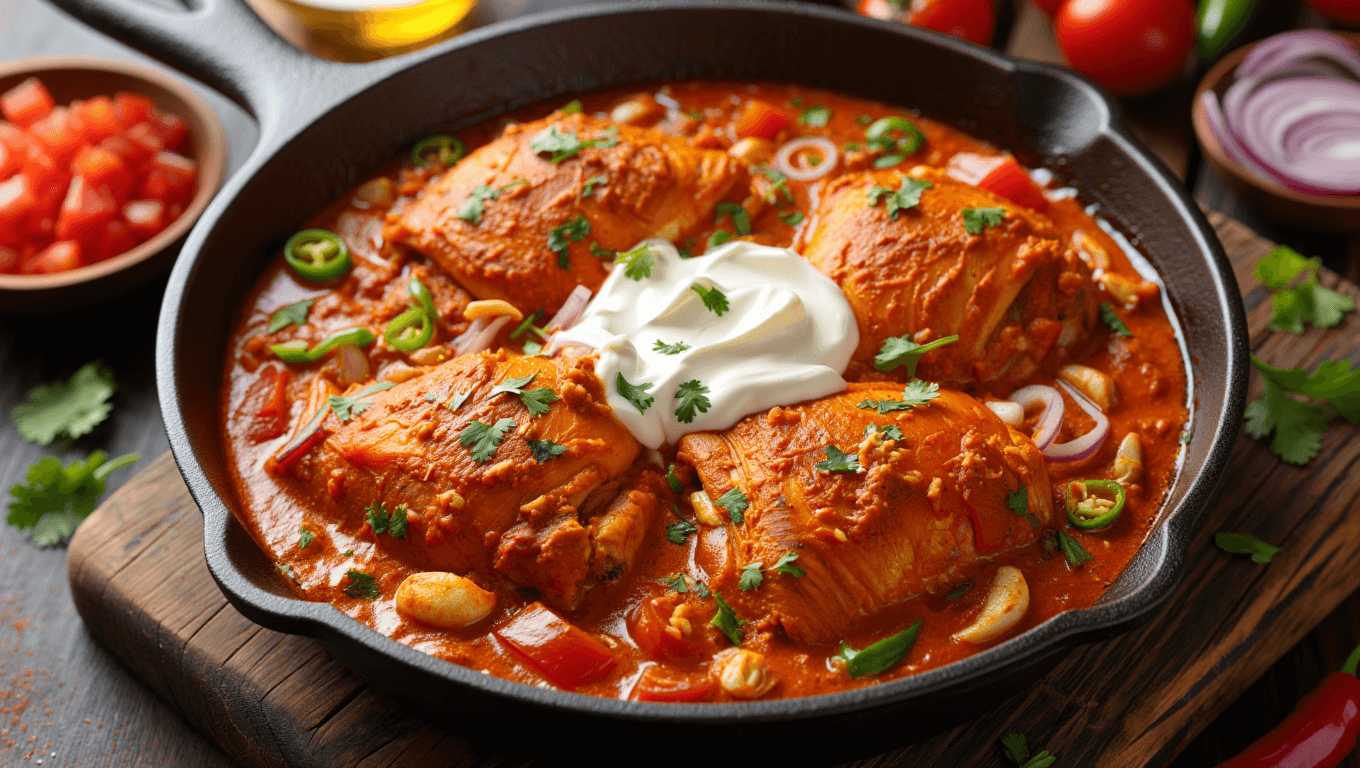
Buttery, spiced, and surprisingly simple, this butter chicken recipe brings restaurant-worthy flavor to a weeknight dinner without exotic shopping. Chicken thighs simmer in a rich tomato and cream base that you can make dairy-free with coconut milk, and warm spices like garam masala do the heavy lifting. Serve the finished curry with fluffy white rice and warm naan for a meal that feels indulgent but is fast to prepare. You will find tips on ingredient swaps, texture fixes, and timing throughout so the dish turns out the way you like every time.
What ingredients do you need for an easy butter chicken?
Comment préparer le Mar del Plata, aperitivo au gin sec aux agrumes et herbes ?
How to meal prep air fryer chicken breasts for easy healthy lunches?
Start with a solid base: boneless, skinless chicken thighs give the best texture and flavor because they stay moist during cooking. Keep pantry staples on hand including canned tomato sauce, garlic, fresh or ground ginger, and a little brown sugar to balance acidity. For the creamy element decide between full-fat coconut milk for dairy-free or heavy cream mixed with water for a richer, traditional finish. Finally, gather spices: garam masala, paprika, cumin, curry powder, black pepper, and kosher salt are essential for that classic profile.
Below is a clear ingredient rundown you can use at the grocery store or to print out before cooking. Quantities are scaled for roughly six 1-cup servings, ideal for family meals or leftovers. Adjust amounts if you prefer a more saucy or cream-forward result.
| Ingredient | Amount |
|---|---|
| Boneless, skinless chicken thighs | 2½–3 pounds |
| Kosher salt | 1¼ teaspoons |
| Garam masala | 3 teaspoons (divided) |
| Paprika | ~2½ teaspoons (divided) |
| Cumin | 1 teaspoon |
| Curry powder | ½ teaspoon |
| Garlic | 4–6 cloves, minced |
| Fresh ginger (or ground) | 1 tbsp fresh or 1 tsp ground |
| Tomato sauce | 1 can (15 oz) |
| Heavy cream + water | ⅔ cup cream + 1 cup water OR 1 can (15 oz) coconut milk |
| Brown sugar | 1½ tablespoons |
| Lime juice | 1 tablespoon |
| Butter | 2 tablespoons |
| Neutral oil (olive or avocado) | 1 tablespoon |
How should you cook butter chicken step by step?
Pat chicken pieces dry, trim excess fat, and cut into roughly 1-inch cubes. Toss with 1¼ teaspoons kosher salt, 1 teaspoon garam masala, and 1 teaspoon paprika until evenly coated. Heat a large skillet or Dutch oven over medium-high heat, add 1 tablespoon oil, then sear the chicken in a single layer without crowding until golden on the edges and mostly cooked through.
After searing, lower heat to medium and stir in garlic and ginger for about 30 seconds to release aroma. Push chicken to the side of the pan and add the remaining spices — 2 teaspoons garam masala, 1½ teaspoons paprika, 1 teaspoon cumin, ½ teaspoon curry powder, and ½ teaspoon black pepper — letting them bloom in the rendered fat for roughly one minute. Stir everything together, add the canned tomato sauce, and scrape browned bits from the pan for extra depth.
Choose your creamy base now and gently add it: either one 15 oz can full-fat coconut milk or ⅔ cup heavy cream combined with 1 cup water. Reduce heat to low, cover, and simmer for 8–10 minutes so flavors meld and chicken finishes cooking. Remove from heat and fold in 1½ tablespoons brown sugar, 1 tablespoon lime juice, and 2 tablespoons butter; taste and add salt if needed. Serve hot over white rice and use naan to mop up the sauce for full satisfaction.
Can you substitute chicken breasts or change the creamy base?
Yes, but expect differences in texture and technique. Chicken breasts will cook faster and lack the extra fat thighs provide, so add a tablespoon of butter or a splash of oil during the spice-bloom step and shorten the final simmer to keep breasts juicy. Many cooks still prefer thighs for their forgiving, tender result and richer mouthfeel.
For the creamy element choose coconut milk when dairy-free cooking is needed, and pick heavy cream plus water when you want the classic, silky finish. If you aim for a thicker, creamier curry use less water or increase the cream; if the curry seems too rich use more water or a light coconut milk to balance. If vous prefer a milder coconut flavor, use half coconut milk and half water for a subtler result.
What quick fixes help if the sauce is the wrong consistency?
Sauces can turn out thinner or thicker depending on the brand of tomato sauce and the creamy base chosen, so keep easy fixes at hand. For a thin sauce blend 1 tablespoon cornstarch with 1 tablespoon cold water and whisk it into the simmering curry; allow a couple minutes for it to thicken. For a sauce that is too thick add a splash of water, additional cream, or a little extra coconut milk until you reach the texture you like.
- Thin sauce trick: cornstarch slurry as above and simmer 2–3 minutes.
- Thick sauce trick: stir in 1–2 tablespoons water at a time to loosen without diluting flavor.
- Flavor balance trick: finish with lime juice and brown sugar to brighten and round acidity.
How should you store, reheat, and make this ahead?
Butter chicken refrigerates beautifully and often tastes better the next day after spices and sauce develop. Cool the curry completely, transfer to airtight containers, and keep in the fridge for up to four days. Freeze portions for longer storage and defrost overnight in the refrigerator before reheating.
Reheat gently so the sauce does not break: warm over low heat and stir occasionally, or use a microwave at medium power in short bursts, stirring between intervals. If separated after refrigerating, whisk in a splash of water or cream while warming and finish with a pat of butter for added silkiness. If reheating from frozen, thaw first or rewarm slowly on the stovetop covered to prevent drying.
If you prepare parts in advance, sear the chicken and store it separately from the sauce for best texture, then combine and simmer 8–10 minutes before serving. Another time-saver is measuring and assembling the spice mix ahead of time so dinner becomes a quick, polished assembly rather than a long prep session.

Jonathan Pierce specializes in approachable main dishes for everyday family meals. His writing emphasizes clarity, structure, and reliable recipes that are easy to recreate at home.