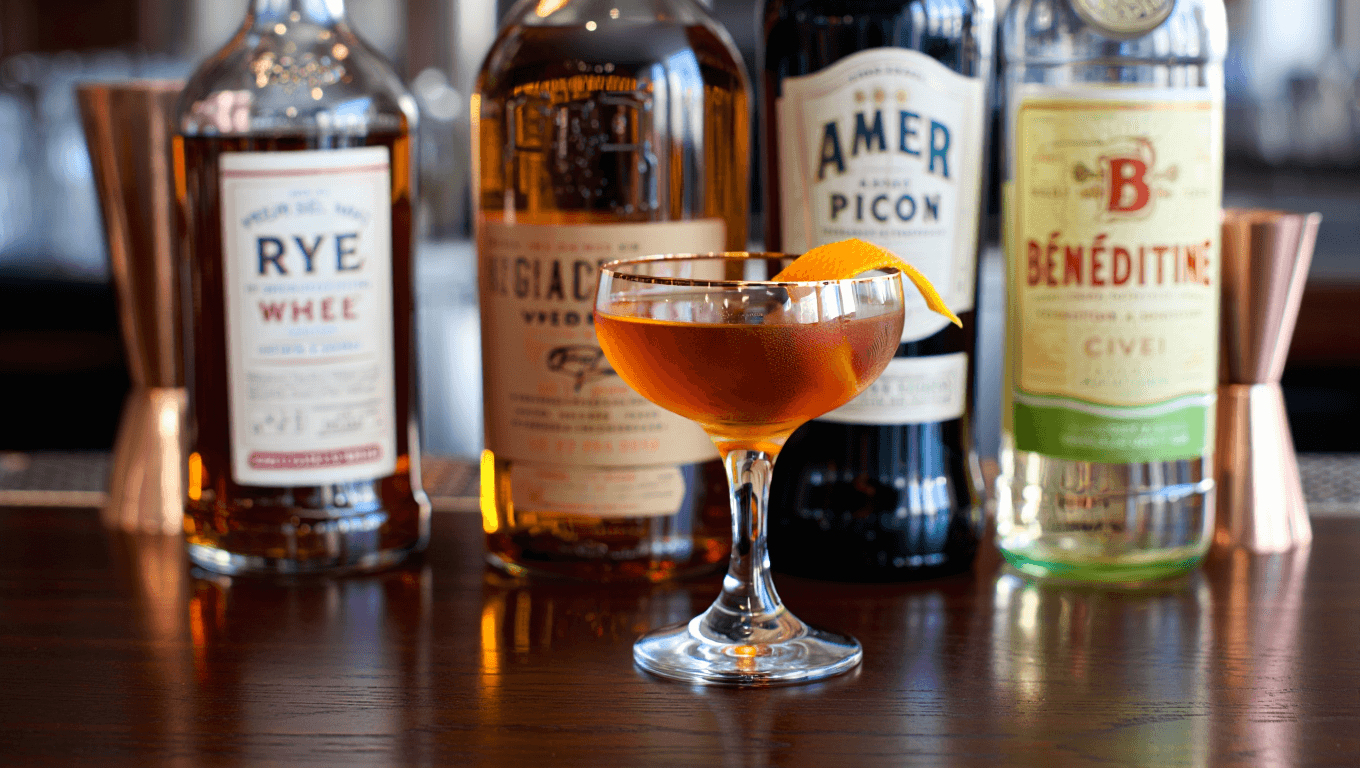
The Creole Cocktail blends the peppery bite of rye whiskey with sweet vermouth, Amer Picon and the honeyed herbal warmth of Bénédictine for a compact, sophisticated nightcap. This vintage cocktail recipe works beautifully as an after-dinner digestif or a slow-sipping nightcap served in a chilled coupe glass. Ingredients are straightforward, but balance matters: the interplay of spice, bittersweet vermouth and aromatic liqueur defines the drink. If you like spirit-forward classics, this recipe deserves a place in your rotation.
What exactly is the Creole Cocktail?
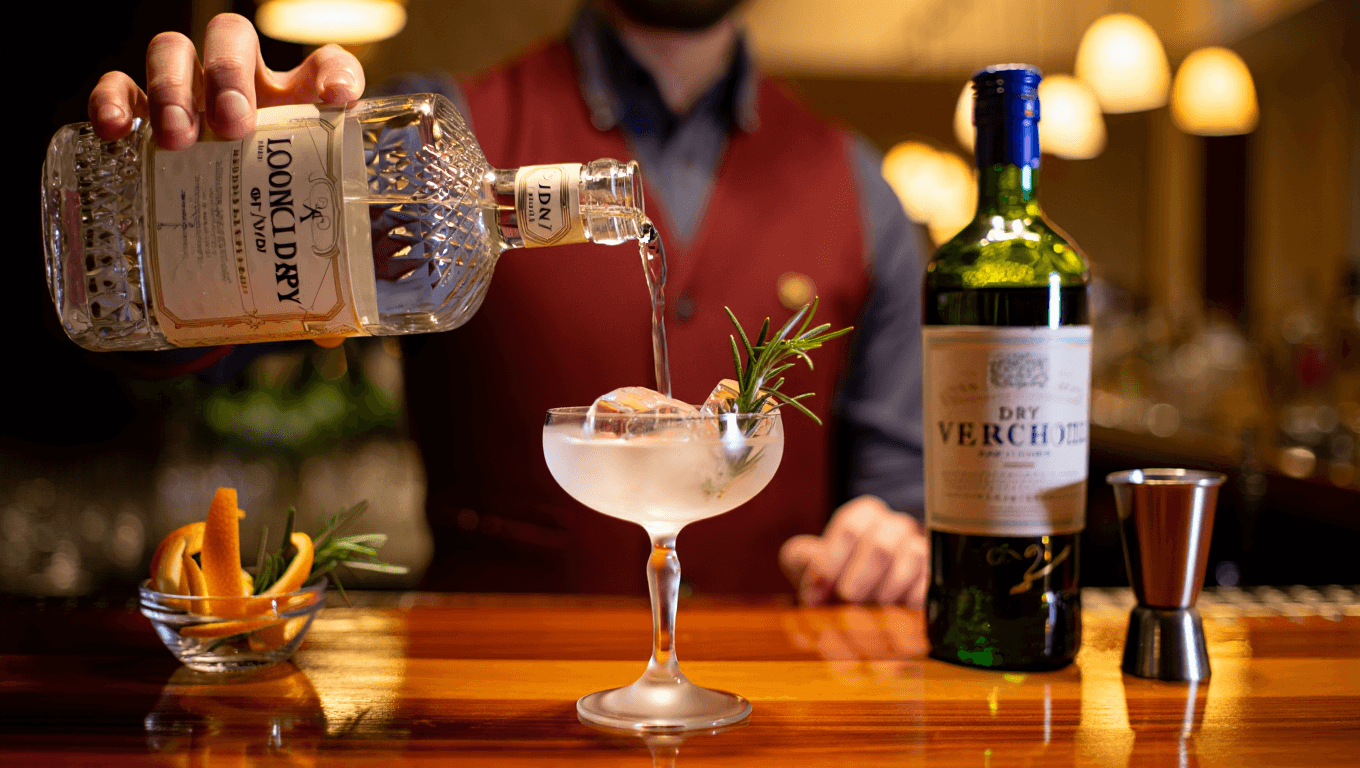
Comment préparer le Mar del Plata, aperitivo au gin sec aux agrumes et herbes ?
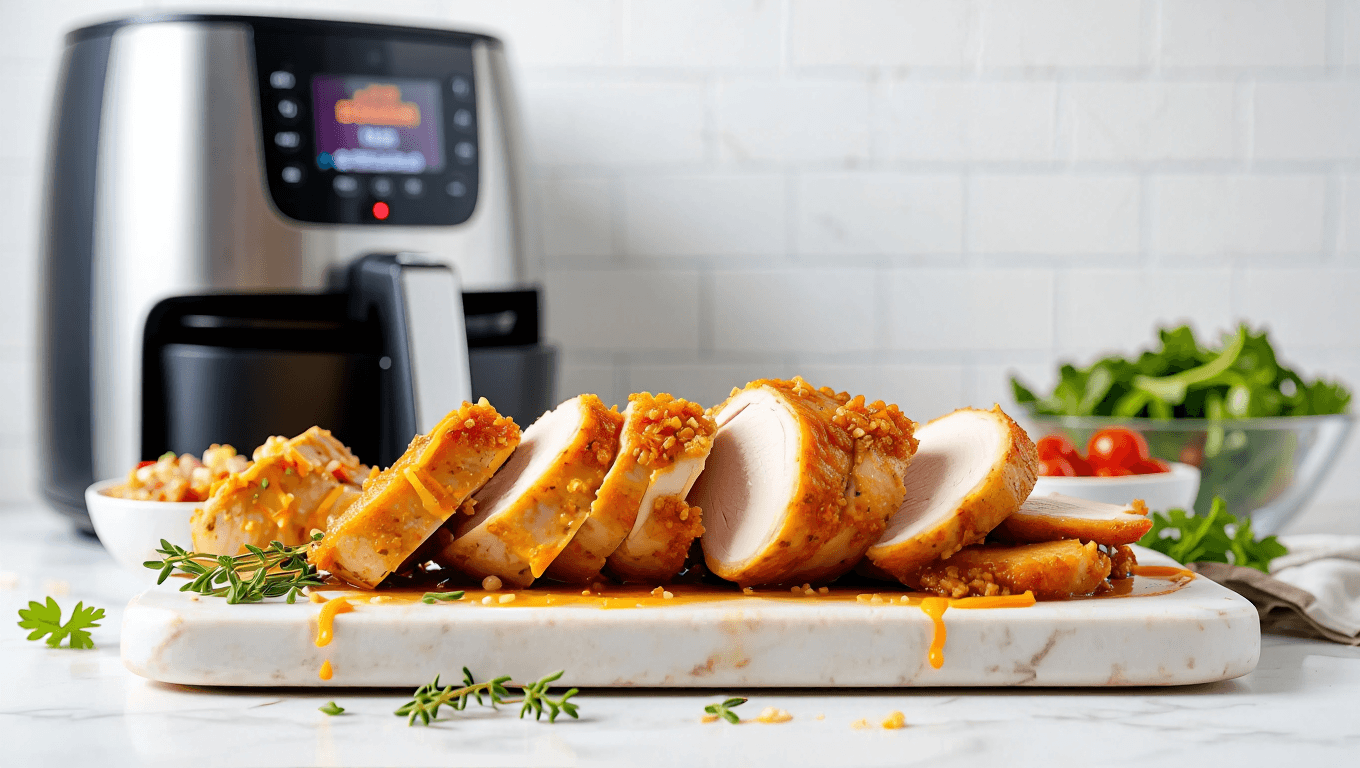
How to meal prep air fryer chicken breasts for easy healthy lunches?
The Creole Cocktail is a revived classic from the early 20th century that sits close to the Manhattan family. It highlights rye whiskey as the backbone and layers in rosso vermouth, Bénédictine and Amer Picon for complexity. The result is a robust, aromatic cocktail that reads as both boozy and gently herbal. Many mixologists praise it for its digestif qualities and late-night appeal.
Modern versions tweak proportions but the spirit of the drink stays the same: spice from rye, rounded sweetness from vermouth and depth from the liqueurs. Serve it in a coupe and finish with an expressed lemon twist to lift the aromatics. This cocktail pairs well with rich desserts or as a quiet palate cleanser after a heavy meal.
Which ingredients are essential for an authentic Creole Cocktail?
Quality of components makes a big difference because there are only a few of them. Choose a bold, straight rye whiskey at 50% alc./vol. if possible, and use a chilled sweet vermouth often labeled Rosso or Rosso di Torino. Finish the mix with small measures of Amer Picon and Bénédictine for bitter and herbal notes.
| Ingredient | Amount | Notes |
|---|---|---|
| Straight rye whiskey (100 proof) | 37.5 ml | Bold, spicy backbone |
| Rosso vermouth | 37.5 ml | Chilled, sweet aromatised wine; contains sulphites |
| Amer Picon | 10 ml | Chilled, bitter orange- and gentian-forward |
| Bénédictine D.O.M. | 7.5 ml | Herbal, honeyed liqueur |
Note that rosso vermouth typically contains sulphur dioxide or sulphites, which are common allergens for sensitive drinkers. If vous plan to serve guests, mention allergens up front and consider alternatives for those with intolerances. Small swaps change the profile but can preserve the original intent of the drink.
How should you mix and garnish this cocktail?
Begin by chilling a coupe glass and preparing a thin lemon zest twist for garnish. Place all measured ingredients into a mixing glass over plenty of ice and stir steadily until the mixture is properly chilled and slightly diluted. Use a fine strainer to pour the cocktail into the chilled coupe.
Express the lemon twist over the drink to release essential oils, then rim the glass briefly with the peel and drop it in as a garnish. The twist brightens the dense, spicy character without overpowering the herbal layers. If vous are entertaining, prepare garnishes and glassware in advance for a smooth service.
Equipment checklist:
- Mixing glass and bar spoon
- Fine strainer and coupe glass chilled
- Peeler or sharp knife for lemon twist
How strong is the Creole Cocktail and what does it taste like?
This cocktail is distinctly spirit-forward and sits on the stronger end of classic mixed drinks. Typical measures produce about 25% alc./vol. and roughly 200 calories per serving, depending on the exact brands and ABV used. Expect a characteristic warmth from rye with a dry-sweet vermouth backbone.
Flavor-wise the drink balances spicy, bitter and herbal tones: rye brings pepper and grain, Amer Picon offers bitter orange depth, and Bénédictine softens the edges with honeyed botanicals. The lemon twist adds a citrus lift that keeps the cocktail from feeling heavy or cloying.
Where does the Creole Cocktail come from?
The Creole Cocktail appears in early 20th century cocktail literature and regained attention through vintage recipe revival. An early version shows up in Jacques Straub’s 1913 collection and later in Harry Craddock’s 1930 compendium, both offering slight variations on the same theme. These historical references show how bartenders of the era explored combinations of American whiskey with European aromatised wines and liqueurs.
Over the decades the recipe saw small evolution in measures and ingredients yet kept its essential voice. Contemporary bartenders often refine proportions and recommend chilling the vermouth and Amer Picon beforehand to preserve aromatics and temperature. The drink’s longevity proves its well-rounded and adaptable character.
What variations or similar cocktails should you try?
Several cocktails inhabit the same flavor territory as the Creole Cocktail and make useful alternatives or inspiration points. Classic relatives include the Manhattan, Martinez and Old Pal, each shifting the balance between sweet vermouth, bitter elements and the base spirit. Small tweaks—such as swapping rye for bourbon or adjusting the Bénédictine—produce noticeably different outcomes.
Try these variations and experiments:
- Creole Cocktail No. 2 with adjusted proportions of Amer Picon
- Manhattan-style take with fewer liqueurs and more vermouth
- Old Pal adaptation using dry vermouth and added Campari

Andrew Cole focuses on everyday drinks, from warm comfort beverages to refreshing options. His writing emphasizes balance, clarity, and ease of preparation.