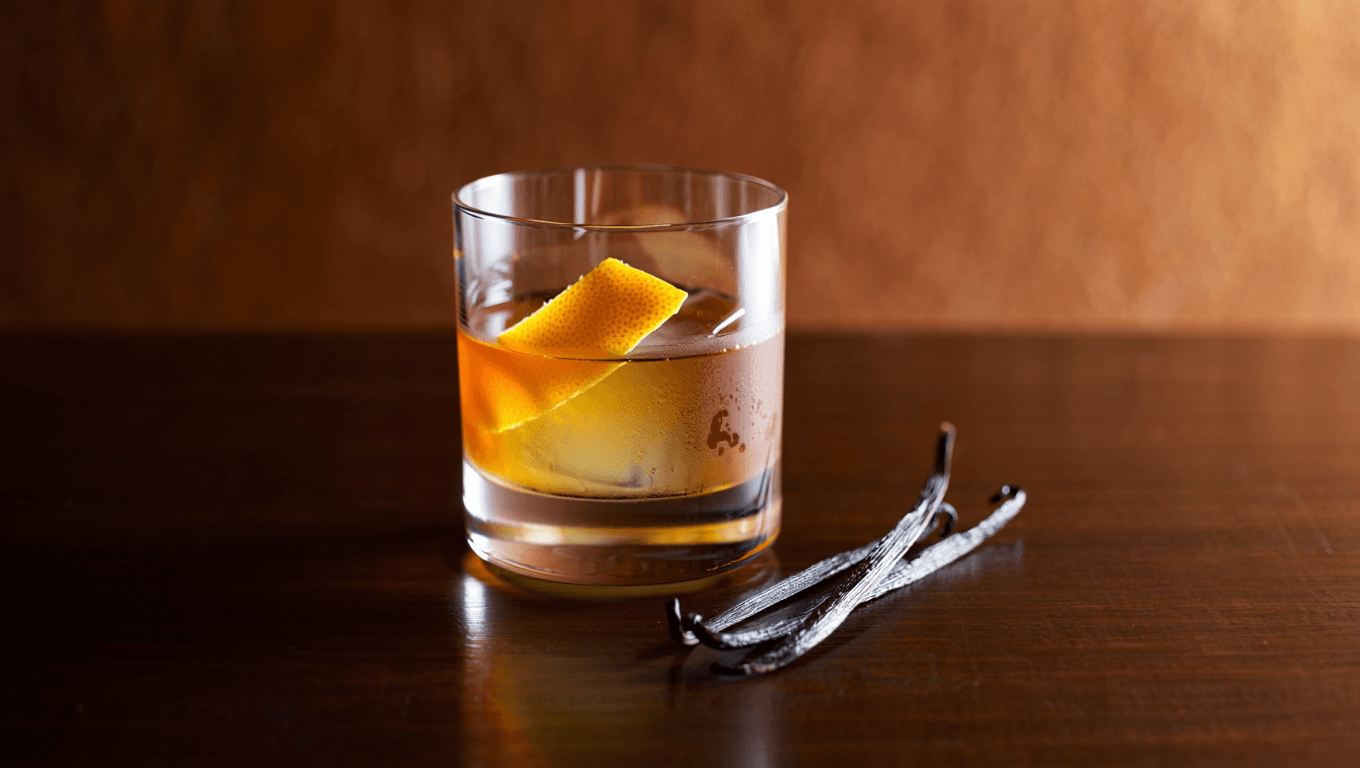
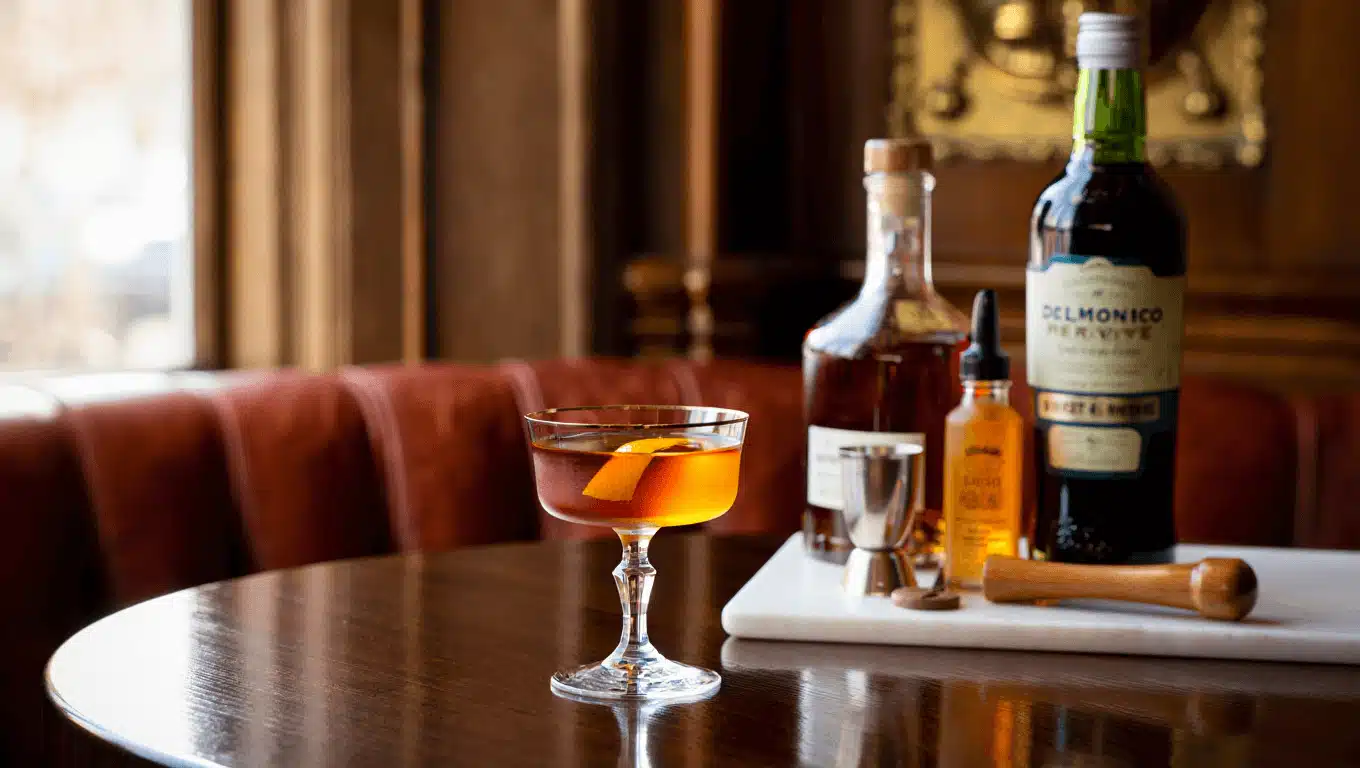
The Delmonico stands out as a refined, brandy-based cocktail that balances warm oak flavors with sweet vermouth and a bright whisper of orange bitters. This classic drink is ideal for slower evenings when you want something spirit-forward and elegant. Recipes vary slightly across sources, but the essentials remain steady: quality cognac, a full-bodied rosso vermouth, and a restrained dash of orange bitters. You will find this version approachable for both home mixing and for showcasing on a cocktail list.
What exactly is a Delmonico cocktail?
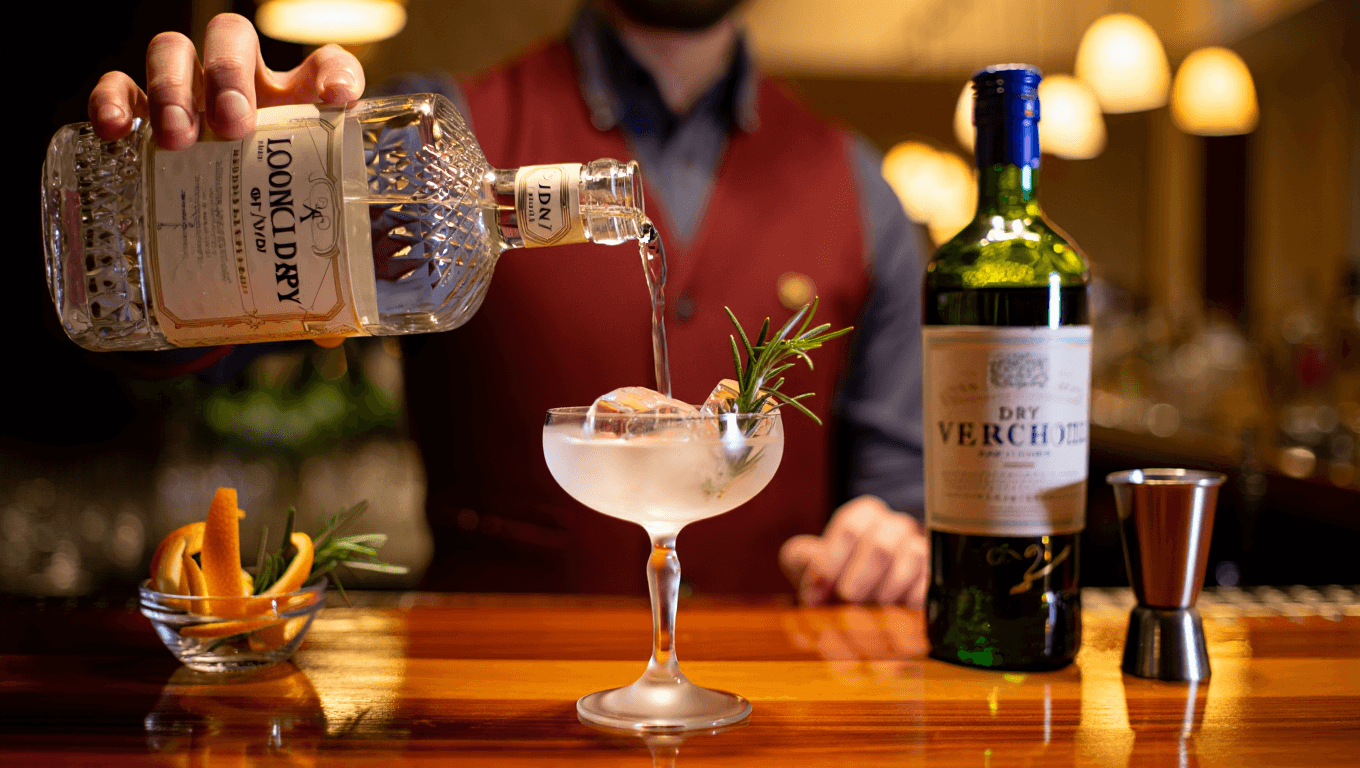
Comment préparer le Mar del Plata, aperitivo au gin sec aux agrumes et herbes ?
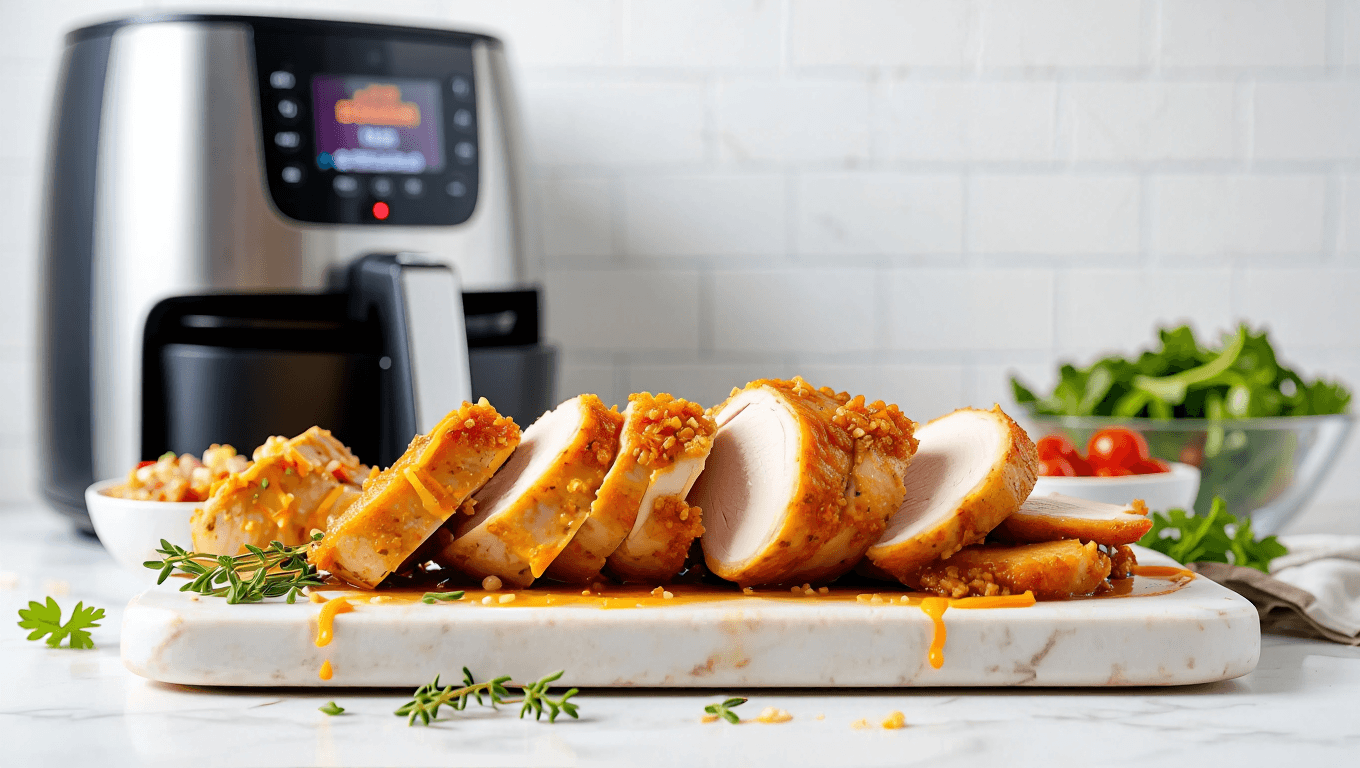
How to meal prep air fryer chicken breasts for easy healthy lunches?
The Delmonico is essentially a Manhattan-style drink with brandy as its backbone rather than whiskey. It delivers a softer, fruitier profile compared with rye or bourbon versions, while still keeping a firmly spirit-forward character. Many bartenders describe it as a sweet Manhattan with an aromatic citrus lift from orange bitters.
Several recipes trace the cocktail back to classic New York bars, and it often appears in vintage cocktail books. Because variations exist, you may see small differences in proportions and garnish across menus and home recipes.
How should you prepare a Delmonico?
Begin by pre-chilling a coupe glass and preparing a fresh orange twist for the garnish. Chill the glass in the freezer or fill it with ice and water while you assemble ingredients and tools. Gather a mixing glass, bar spoon, jigger, and a fine strainer.
| Ingredient | Amount | Note |
|---|---|---|
| Cognac (brandy) | 50 ml | Use a VSOP for smoothness |
| Rosso vermouth | 40 ml | Chilled, choose a quality Di Torino style |
| Orange bitters | 1 dash | Angostura orange bitters recommended |
Stir the cognac, chilled vermouth, and orange bitters with plenty of ice until well chilled and slightly diluted. When vous strain the mix, use a fine strainer into the chilled coupe so the drink stays crystal clear. Express the orange twist over the surface and drop it in or rest it on the rim for aroma.
Which glass and garnish deliver the best experience?
The traditional choice is a coupe glass, which highlights the cocktail’s aromatic top notes and looks classic on any table. A small, stemmed coupe also keeps the drink cooler longer and feels proportional to the spirit-forward nature of the Delmonico. If a coupe is unavailable, a Nick and Nora glass is a suitable alternative.
For garnish, choose a fresh orange peel and express the oils directly over the drink to enhance the bitters and vermouth aromatics. Some bartenders pare a thin twist and gently rub it along the rim to intensify citrus presence. The visual appeal of the twist complements the cocktail’s warm amber hue.
What variations and similar cocktails should you try?
Many classic cocktails share DNA with the Delmonico, and small swaps create distinct drinks you may prefer on different nights. If vous enjoy experimenting, try substituting rye for cognac or switching orange bitters for Angostura aromatic bitters to alter the profile. A teaspoon of brandy in a martini produces a Delmonico Special style drink.
- Brandy Manhattan — brandy in place of whiskey, similar sweetness
- Harvard — often uses orange bitters and is closely related
- Saratoga — sometimes listed as apple brandy based, another cousin
- Charles Cocktail — shares vermouth and citrus elements
These variations showcase how small adjustments change balance and aroma without losing the core charm of the original recipe. Choose based on what spirits and bitters you prefer, and remember that vermouth quality will strongly affect the final result.
Where does the Delmonico come from?
The name points to Delmonico’s, the landmark New York restaurant that dates back to the 19th century and helped popularize many dining and drinking traditions. Historic cocktail manuals reference the Delmonico, and its recipes appear alongside other bar classics in vintage guides. Over time, authors and bartenders adapted the drink and gave it regional nicknames.
Notable cocktail writers like Albert Stevens Crockett and David Embury mention versions of the Delmonico in their books, illustrating how the recipe evolved across decades. The cocktail’s lineage connects it with Manhattan-style drinks, while the substitution of cognac gives it a distinct, refined voice that has endured on classic cocktail lists.
| Metric | Value |
|---|---|
| Calories per serving | 174 kcal |
| Standard drinks | 1.5 |
| Alcohol by volume | 23.09% |
| Grams of pure alcohol | 20.8 g |

Andrew Cole focuses on everyday drinks, from warm comfort beverages to refreshing options. His writing emphasizes balance, clarity, and ease of preparation.