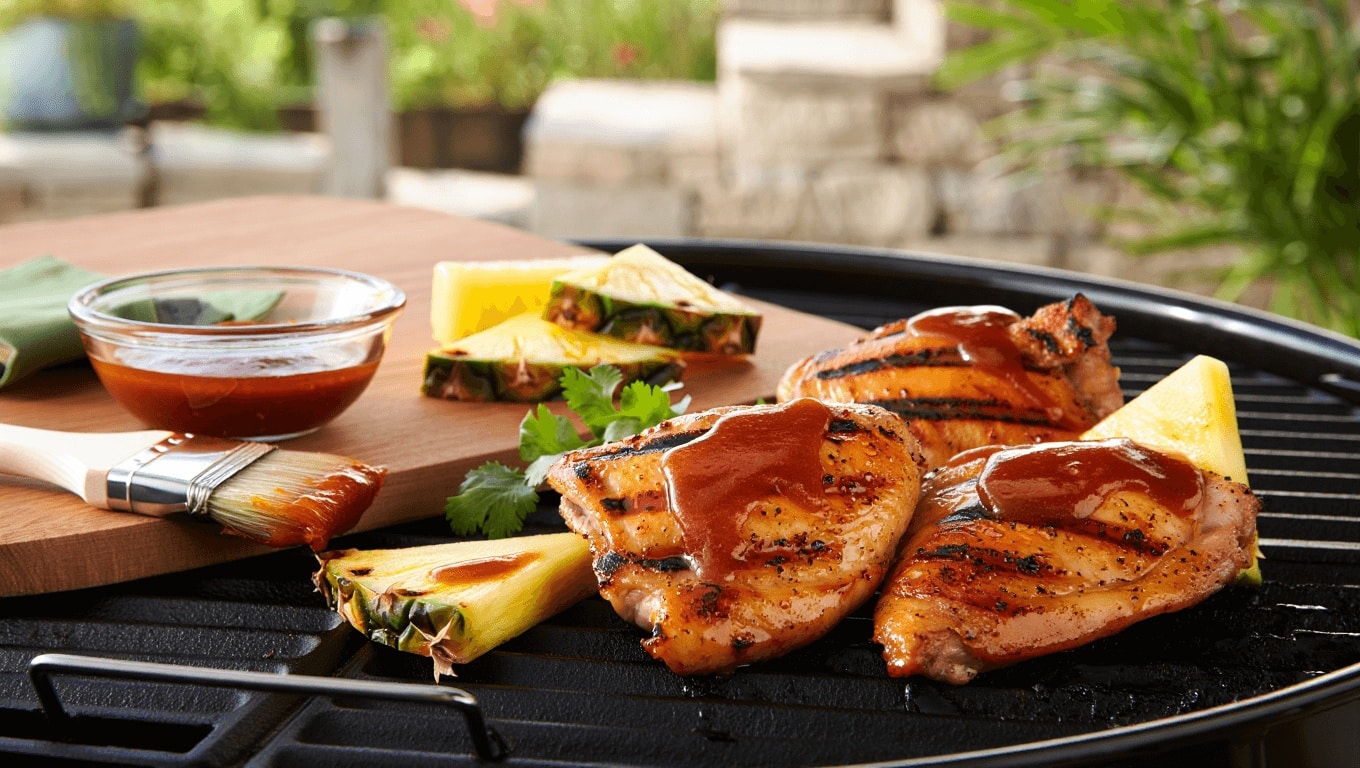
Huli Huli Chicken brings the sweet, smoky flavors of Hawaiian BBQ straight to your backyard grill. This recipe relies on a sticky pineapple-soy glaze that caramelizes beautifully on boneless skinless chicken thighs, giving every bite a balance of sweet, savory, and tangy. Families love how simple the marinade is to whisk together and how versatile the leftovers can be in rice bowls or salads. Expect quick prep, a forgiving cook time, and authentic island vibes that pair perfectly with white rice and macaroni salad.
What exactly is Huli Huli chicken and why try it?
Top 20 St. Patrick’s Day cocktail recipes: easy green drinks for parties
Creamy Cajun pasta recipe with peppers and smoked sausage
Huli Huli originated in Hawaii as a social, outdoor cooking tradition centered on grilling over open flames. The name comes from the Hawaiian word for “turn” since cooks repeatedly flip the chicken while basting with a sweet, smoky sauce. The flavor profile blends pineapple, brown sugar, garlic, and soy for an unmistakable tropical barbecue taste.
Home cooks appreciate Huli Huli because it requires minimal fuss yet delivers restaurant-quality results. You will often see it served at gatherings because the marinade can be made ahead and the grill does most of the work. Those who enjoy bold, slightly sticky glazes will find this preparation especially satisfying.
Which ingredients form the classic Huli Huli marinade?
The core of the glaze focuses on just a handful of pantry staples that create a deep, layered flavor. Key players include brown sugar for sweetness, pineapple juice for acidity and tropical notes, and soy sauce for umami and salt. Fresh ginger and garlic add brightness while ketchup helps thicken the mixture for easy basting.
Below is a clear ingredients table you can use as a quick reference when shopping or prepping.
| Ingredient | Amount (for ~6 servings) | Notes |
|---|---|---|
| Brown sugar | 1 cup | Use light or dark sugar for depth |
| Ketchup | 3/4 cup | Adds body and tang |
| Soy sauce | 3/4 cup | Substitute: coconut aminos for gluten-free |
| Pineapple juice | 1/3 cup | Fresh or canned both work |
| Apple cider vinegar | 3 tbsp | Adds a bright acid note |
| Fresh ginger | 1 tbsp minced | Frozen ginger cubes are convenient |
| Garlic | 1 tbsp minced | Fresh yields best aroma |
| Chicken thighs | 4–5 lbs boneless, skinless | Recommended cut for moist results |
How long should the chicken marinate and how should you prep it?
Plan for at least six hours of marinating for good flavor penetration, with up to 24 hours offering a deeper result. Place the thighs in a resealable bag or airtight container and pour the marinade over them, making sure each piece is coated. If you want glaze for finishing, reserve about 1/3 cup of the marinade before adding raw chicken.
Before grilling, trim any large chunks of fat so they do not fall through the grill, but avoid removing every bit of fat. Those small pieces will render and keep the meat juicy during cooking. Pat the chicken dry just before it hits the grate to promote proper caramelization.
What’s the best grilling method to avoid burning the glaze?
Because the marinade contains sugar, the exterior can char quickly if left over direct high heat. Preheat the grill to medium-high, then lower the flame or move the meat to a slightly cooler zone once the sear is established. Cook each side about 5 minutes until an instant-read thermometer reads 165°F.
Apply the reserved glaze at the very end of cooking and keep the heat moderate while basting. If your chicken starts browning too fast, shift it to indirect heat until it reaches temperature and finish over coals or direct flame for a short period to crisp the skin.
Can you make adaptations for diet or different cuts?
Many home cooks want gluten-free, lower-sugar, or leaner options and Huli Huli is flexible enough to handle adjustments. Swap soy sauce for coconut aminos if gluten is a concern, or reduce brown sugar slightly and increase pineapple juice to keep sweetness but lower sugar density. Using chicken breasts is possible, but they require more careful timing.
- Gluten-free: coconut aminos instead of soy sauce.
- Lower sugar: cut brown sugar by 25% and add extra pineapple juice or a splash of citrus.
- Chicken breast option: butterfly or pound breasts thin for even cooking and shorter time.
If vous plan on serving this at a gathering with varied dietary needs, consider offering the glaze on the side so guests can finish their portions according to taste. Thighs remain the most forgiving cut and retain moisture even if slightly overcooked.
How should leftovers be stored and reused?
Store leftovers in an airtight container and refrigerate promptly. Consume within 3–4 days for best quality and food safety. The chicken reheats well and also makes a great cold protein for salads or grain bowls.
When reheating, warm gently over medium heat or in a preheated oven to prevent overcooking and drying. Alternatively, slice leftover thighs cold and toss into a bowl with greens, pineapple, and a light vinaigrette for a quick lunch.
Answers to the most common home cook questions?
Can this be made ahead? Yes. Whisk the glaze earlier in the day and marinate for anywhere between six and twenty-four hours depending on schedule. Reserve some of the marinade for finishing, and refrigerate that reserved portion separately.
Should the grill lid be closed while cooking? Closing the lid helps cook the meat evenly by trapping heat. Turn the temperature down a touch before closing so the sugar in the glaze does not burn the exterior.
Will thighs dry out or overcook easily? Thighs are forgiving thanks to their fat content and connective tissue. They must still reach 165°F, but they tolerate slightly higher temperatures better than breasts and remain juicy even when cooked a bit longer.

Jonathan Pierce specializes in approachable main dishes for everyday family meals. His writing emphasizes clarity, structure, and reliable recipes that are easy to recreate at home.