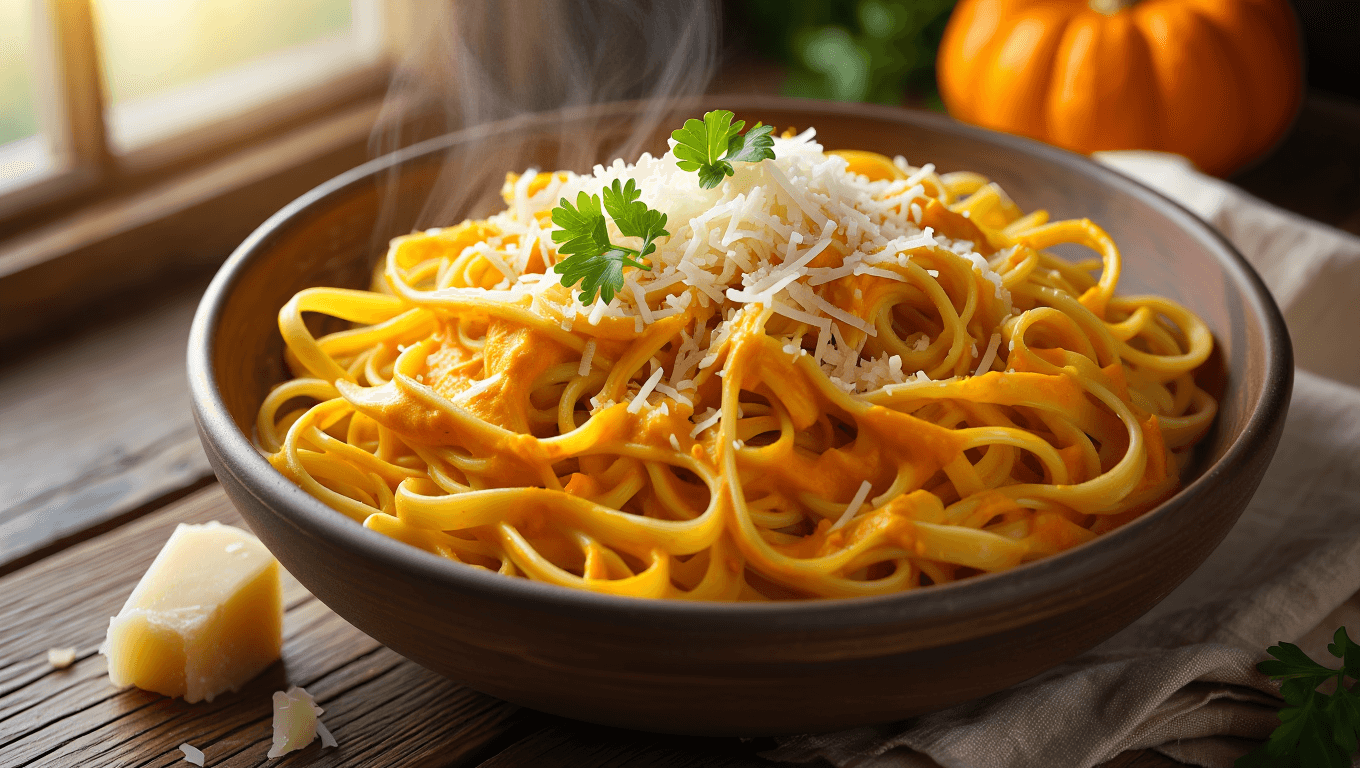
Pumpkin Alfredo brings a seasonal twist to a classic comfort dish, blending creamy fettuccine with the gentle sweetness of pumpkin puree and the nutty tang of Parmesan. This pumpkin alfredo recipe lightens traditional alfredo by replacing part of the cream with pumpkin, while brown butter and crisped sage add depth and aroma. Expect a rich, silky sauce that still feels bright and wearable at family dinners or a cozy autumn gathering. Try it once and you’ll see why this variation keeps showing up on menus and home tables alike.
What makes pumpkin Alfredo different from regular Alfredo?
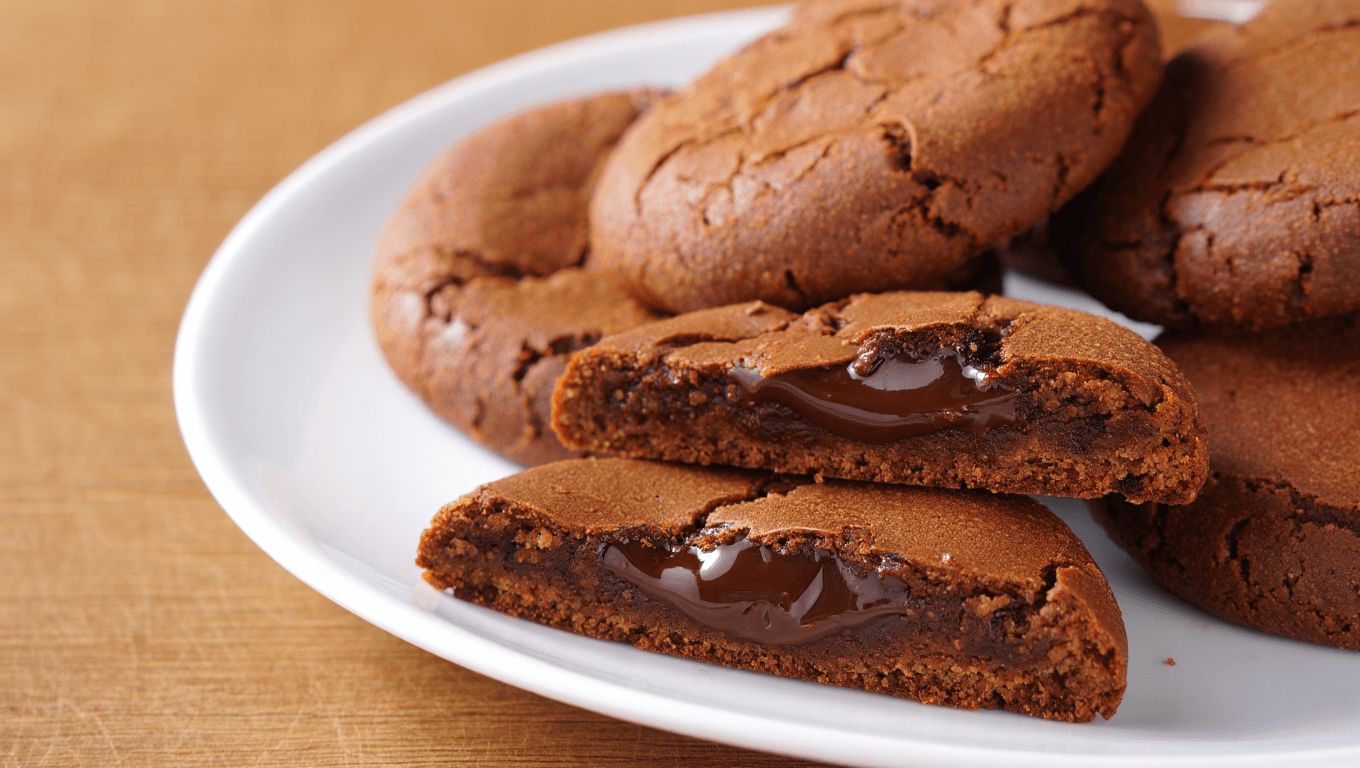
Mole Old Fashioned recipe: corn and rye whiskey with chocolate and spice notes
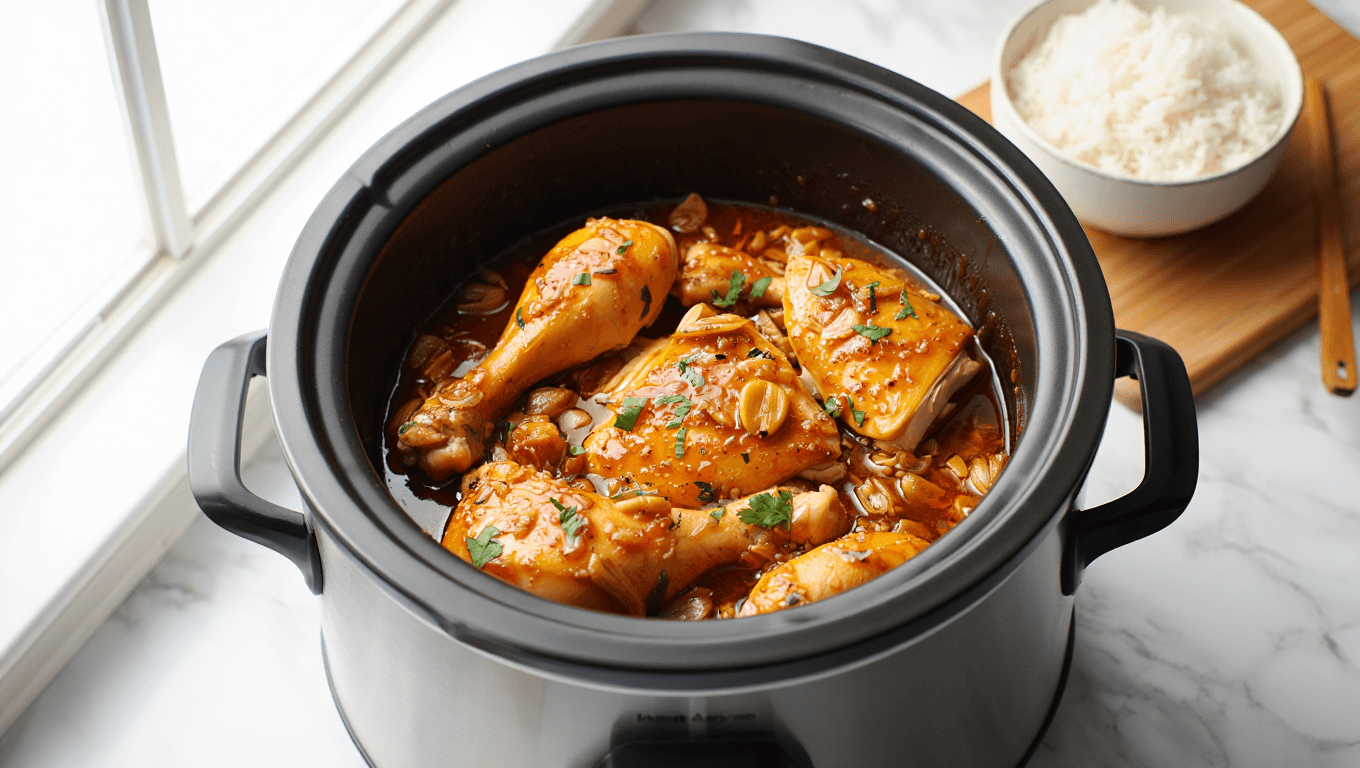
Easy slow cooker honey garlic chicken recipe
Pumpkin introduces a subtle sweetness and a velvety texture that integrates seamlessly with cream and cheese. The puree reduces the reliance on heavy cream and creates a sauce that feels lighter without sacrificing richness. Browned butter brings a caramel note and savory backbone while fried sage offers a crunchy herbal contrast that lifts the dish.
The result looks and comforts like a classic mac and cheese style pasta, which helps when you want to sneak vegetables into a kid-friendly meal. You get familiar flavors with seasonal depth and more visual appeal from the warm orange hue. This version pairs especially well with fettuccine or other wide noodles that hold thick sauce.
Which ingredients will you need for a reliable pumpkin Alfredo?
Gather pantry staples and a few fresh items to maximize flavor without fuss. Use canned pumpkin puree rather than pumpkin pie filling for a neutral base. Freshly grated Parmesan and real butter make a noticeable difference, and optional sage elevates the final plate.
- Fettuccine — 1 lb, cooked to package directions
- Butter — 8 tablespoons for brown butter and sauce
- Fresh sage — roughly chopped, optional for frying
- Garlic — 5–6 cloves finely minced
- Heavy cream — 1 cup, or half-and-half to lighten
- Pumpkin puree — 1 cup canned plain pumpkin
- Parmesan — 1.5–2 cups freshly grated
- Kosher salt to taste
Equipment is minimal: a large pot for pasta and a wide skillet for the sauce will suffice. If vous want to crisp sage perfectly, a slotted spoon and paper towel help drain the herb while keeping the brown butter in the pan. Fresh ingredients are easy to prep and keep the process quick.
How should you prepare the sauce and assemble the pasta?
Start the pasta so it finishes about the same time as the sauce. While the noodles cook, melt most of the butter in a wide skillet and add chopped sage; cook until the butter is light golden and the leaves crisp. Use a slotted spoon to transfer the sage to a paper towel and leave the flavored butter in the pan.
Next, stir minced garlic into the brown butter briefly on low heat until fragrant. Add pumpkin puree and cream, bring the mixture to a gentle simmer, then whisk in grated Parmesan until smooth. Adjust consistency with a splash of pasta water or an extra spoon of pumpkin if the sauce needs thickening.
Drain the fettuccine and toss it directly into the skillet with the sauce so the pasta absorbs flavor. Plate immediately and finish with an extra sprinkle of Parmesan and the reserved crispy sage for texture. Serve while warm for the best mouthfeel and aroma.
Can I substitute pumpkin for another squash or lighten the recipe?
Yes, butternut squash puree or mashed sweet potato make excellent alternatives and keep a similar texture and sweetness. Roast and puree fresh squash if you prefer homemade flavor over canned options. Each swap will slightly change color and sweetness, so taste and season accordingly.
For a lighter dish, replace heavy cream with half-and-half or whole milk; you may need more pumpkin or a brief simmer to thicken the sauce. The dish remains flexible and forgiving, so adjust cream levels and cheese quantity until the sauce coats the pasta to your liking. Using rennet-free Parmesan preserves the vegetarian-friendly aspect if that is important to vous.
How long will leftovers keep and what is the best way to reheat?
Store leftovers in an airtight container in the refrigerator and consume within 3–4 days for best flavor and texture. If the pasta and sauce sit together, the sauce will thicken as it cools and the pasta will absorb liquid. Separating pasta and sauce before storing helps preserve creaminess if you plan to reheat later.
When reheating, warm gently over low heat while stirring and add small amounts of liquid to restore the sauce. Use milk, broth, or reserved starchy pasta water to loosen the sauce without diluting flavor. A microwave on low power works in short bursts, but stovetop reheating delivers a silkier result.
- Add 1–2 tablespoons of pasta water or milk per serving when reheating
- Stir constantly over low heat so the cheese melts evenly
- Top with fresh Parmesan and crispy sage just before serving
| Prep Time | Cook Time | Total Time | Servings | Calories |
|---|---|---|---|---|
| 10 minutes | 15 minutes | 25 minutes | 6 servings | ~675 kcal per serving |

Jonathan Pierce specializes in approachable main dishes for everyday family meals. His writing emphasizes clarity, structure, and reliable recipes that are easy to recreate at home.