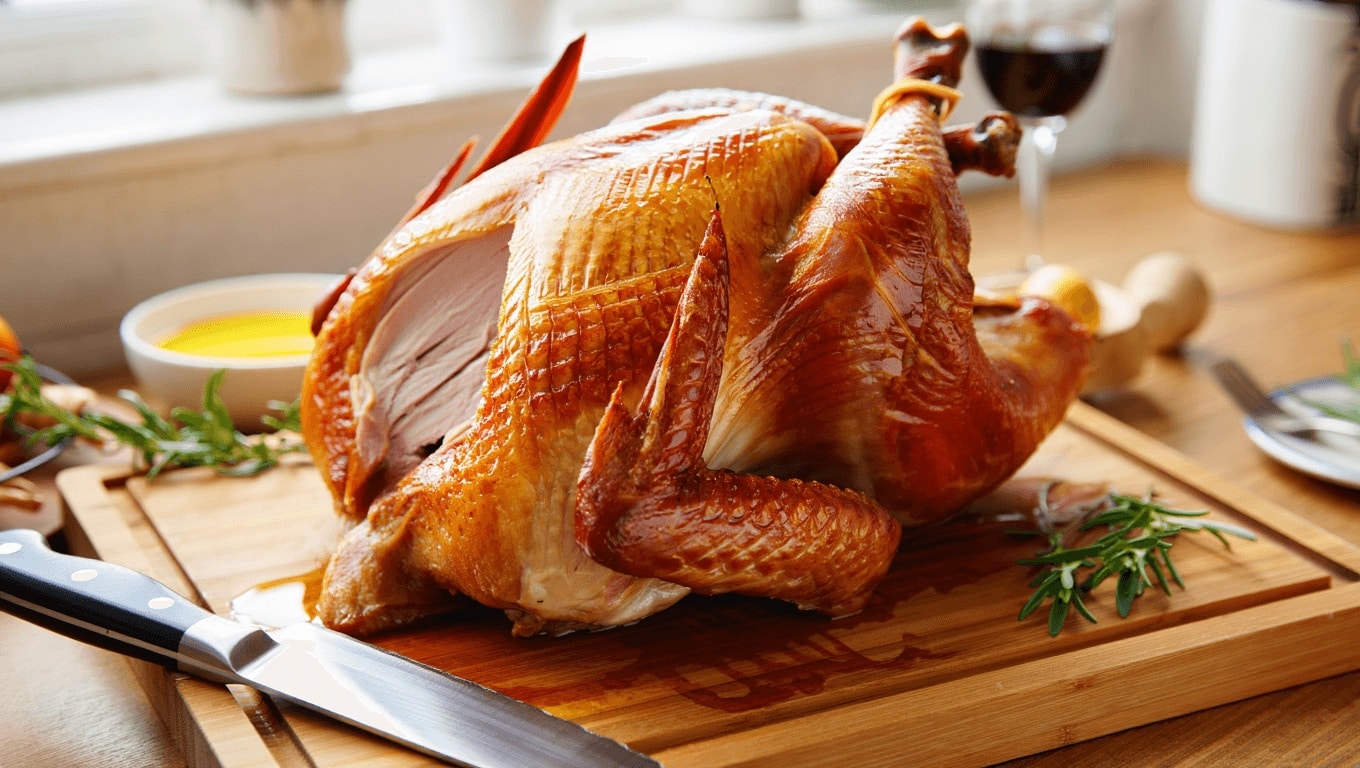
Holiday kitchens hum with a special kind of pressure and possibility, and the centerpiece often becomes the Thanksgiving turkey you remember for years. This recipe focuses on brining, injecting, and roasting so the meat stays tender, flavorful, and reliably moist, while the skin finishes beautifully crisp. You will find clear steps for brining overnight, infusing juices with an injector, and finishing the bird in a roasting bag for consistent results. The tips that follow will help you avoid dryness, blandness, and uneven cooking when you prepare your Thanksgiving turkey.
How does brining transform the turkey?
Top 20 St. Patrick’s Day cocktail recipes: easy green drinks for parties
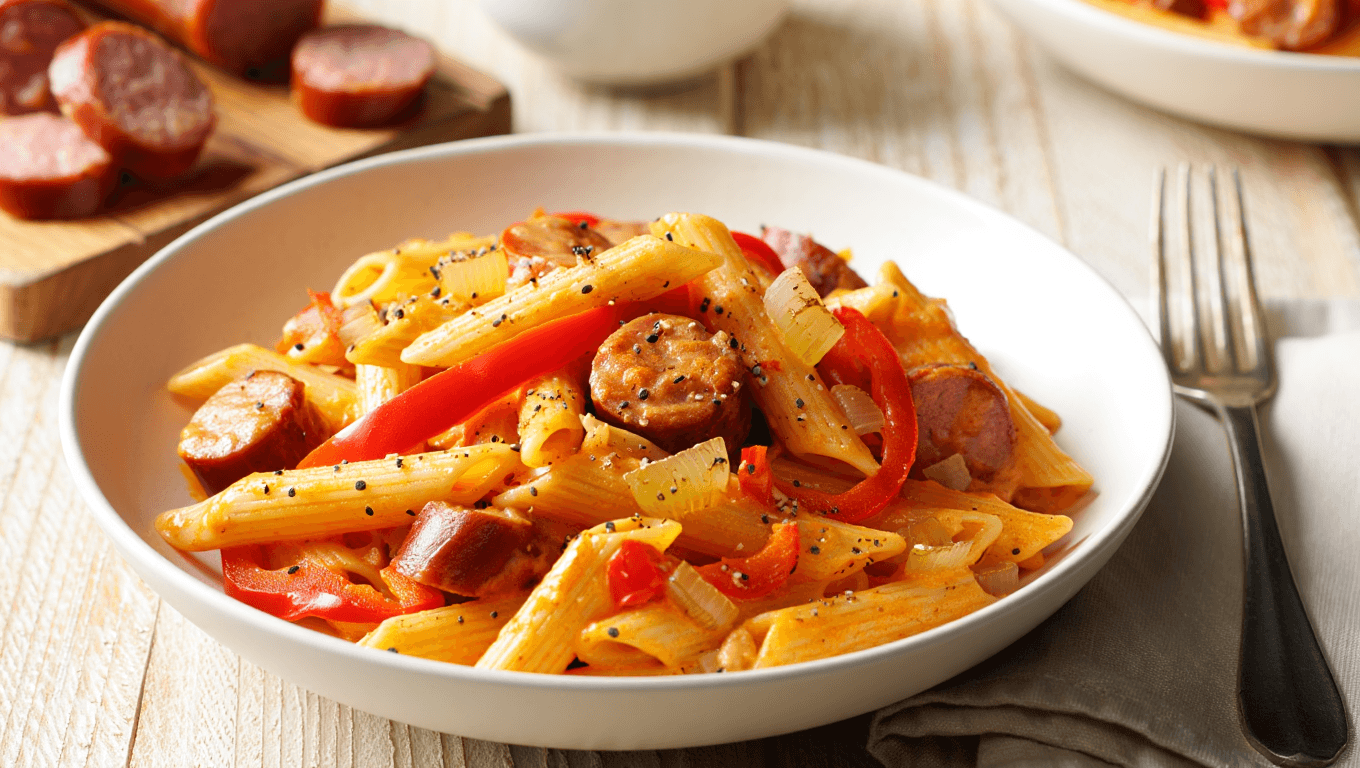
Creamy Cajun pasta recipe with peppers and smoked sausage
Brining changes how the turkey holds moisture and interacts with seasoning on a molecular level. A well-balanced brine moves salt into the meat and helps proteins retain water during cooking, which results in juicier slices even after slicing. Many home cooks notice a clear difference between an unbrined bird and one that rested overnight in a salt-and-herb bath.
Use a brine built from chicken broth, kosher salt, a touch of sugar, aromatics like garlic and onion, and fresh herbs such as thyme and sage. Bring the mixture to a boil, cool it completely, and then submerge the turkey in cold water and ice before adding the brine. That ice matters because it keeps the bird at a safe temperature while the flavors infuse.
Leave the turkey brining for roughly 24 hours for a whole bird under 14 pounds, and reduce time substantially for breasts or smaller pieces. If vous are short on space or temperature control, place the brine bucket in a sink or cooler packed with ice and check it periodically. The payoff is deep seasoning and improved texture without the risk of over-salting when you stick to the recipe proportions.
What equipment and ingredients do you need for success?
Gathering the right tools before you begin prevents last-minute stress and helps the process flow. Essentials include a 5-gallon food-safe bucket or a very large container for brining, a reliable meat thermometer, a flavor injector, and turkey-size roasting bags. A heavy roasting pan and nitrile gloves will make handling the bird safer and tidier.
- Turkey no larger than 12–14 pounds for best texture
- Chicken broth for brine and injection (about 1 gallon + extra)
- Kosher salt, sugar, whole peppercorns, garlic, dehydrated onion
- Fresh herbs such as thyme, sage, rosemary, and parsley
- Butter for herb butter, and a flavor injector for deep infusion
Small extras make a big difference during carving and sauce-making. A fat separator speeds gravy preparation, and a good thermometer ensures you never undercook or overcook the breast or thighs. If fresh herbs are hard to find, dried will work, but fresh gives the best fragrant lift.
How long should you brine, inject, and roast the bird?
Timing varies with size, but clear targets keep the turkey safe and succulent. Defrost frozen birds several days ahead, generally allowing one day in the refrigerator per four pounds. Brine a whole turkey for about 24 hours in a cold environment and reduce brining time for smaller cuts.
Injection is a quick step done just before roasting. Blend garlic with chicken broth and melted butter, then use an injector to deposit that mixture into the breast and thighs. This adds flavor and moisture to the interior without over-salting the surface.
Roasting times depend on weight and whether you use a roasting bag. The bird is done when the thickest part of the breast registers 165°F and the thigh reaches 180°F. Let the turkey rest tented for 15–20 minutes after removing it from the oven so juices redistribute before carving.
| Task | Typical Time | Target Temp |
|---|---|---|
| Defrost in fridge (per 4 lb) | 24 hours | N/A |
| Brining a whole turkey | ~24 hours | Keep under 40°F |
| Injecting with broth and butter | 5–10 minutes | N/A |
| Roasting (approx for 12 lb) | 2–3 hours | Breast 165°F / Thigh 180°F |
How can you ensure crisp skin while keeping meat moist?
Start with the herbed butter under the skin and a final high-heat finish for maximum crisp. Soften salted butter and combine it with chopped sage or your choice of herbs, then work generous handfuls between skin and breast meat. The butter bastes from inside, adding flavor and keeping the white meat tender as it roasts.
Using a roasting bag holds moisture and shortens cooking time, which helps the meat stay juicy throughout. If extra crispness is the goal, remove the bag about 30 minutes before the end and turn on convection or increase oven heat briefly. That step gives you golden skin while the meat remains succulent because internal juices have already been locked in by the brine and the injected broth-butter.
What common problems arise and how should leftovers be handled?
Dry meat, overly salty drippings, and uneven doneness are the most frequent issues. Overbrining or leaving the turkey in too-warm a spot can lead to off textures, so always follow time and temperature guidance. If gravy tastes too salty, balance it by adding a splash of cream or a spoonful of sour cream and tasting as you go.
Move leftovers to airtight containers within two hours of serving and refrigerate promptly. Plan to enjoy refrigerated leftovers within three to four days, or freeze portions for two to three months if needed. Slicing or shredding meat before freezing speeds reheating and keeps texture pleasant on future meals.

Jonathan Pierce specializes in approachable main dishes for everyday family meals. His writing emphasizes clarity, structure, and reliable recipes that are easy to recreate at home.