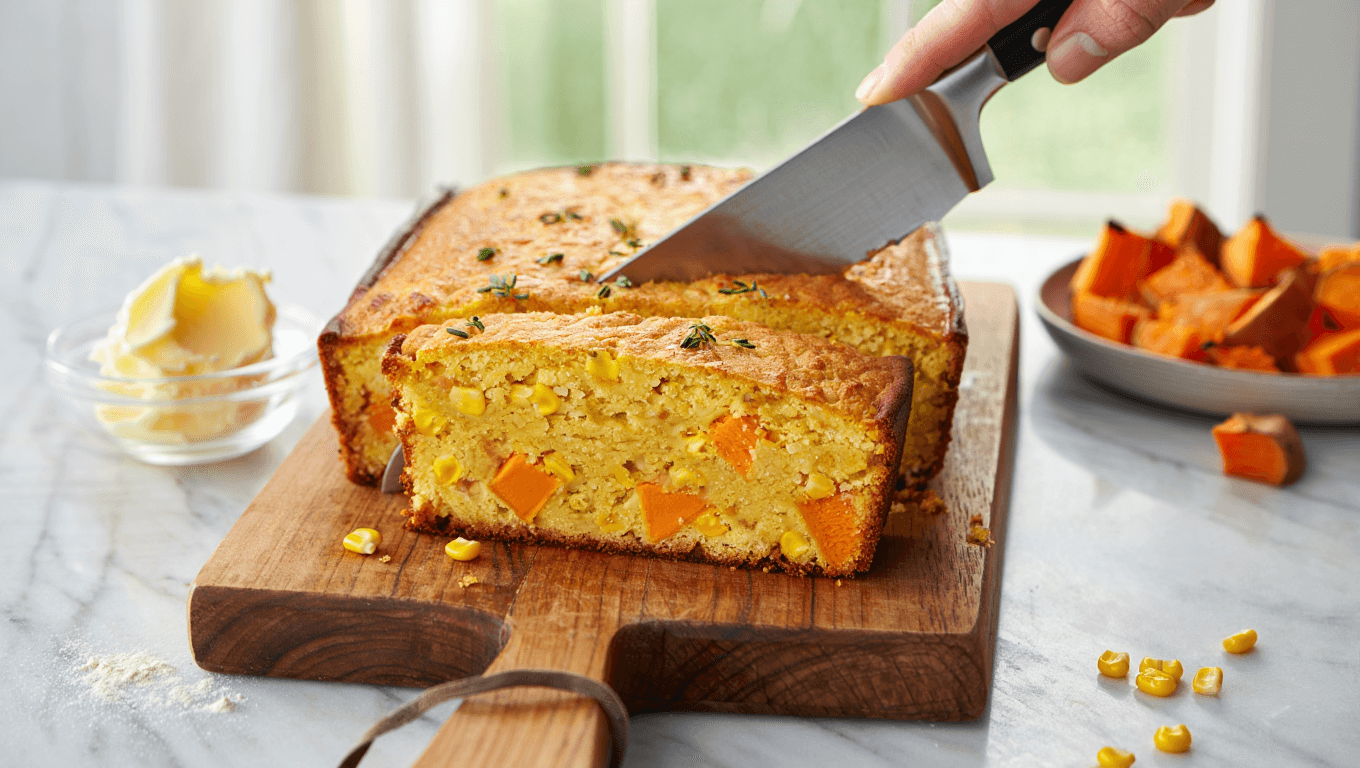
Sweet potato cornbread brings comfort and color to any table, pairing the earthy sweetness of roasted yams with the golden, crumbly texture of classic cornbread. This recipe adapts easily for weeknight dinners or holiday spreads and works beautifully with both savory mains and sweet toppings. You will find practical tips, ingredient swaps, and troubleshooting notes that help you bake reliably each time, and if you cook for guests, vous will love the warm aroma that fills the kitchen.
How do you prepare sweet potato cornbread?
Comment préparer le Mar del Plata, aperitivo au gin sec aux agrumes et herbes ?
How to meal prep air fryer chicken breasts for easy healthy lunches?
Start by roasting or steaming sweet potatoes until they are fork-tender and smooth. Use about 1 1/2 cups of mashed sweet potato for a standard 9-inch pan; this keeps the crumb moist without making it gummy. Let the mash cool slightly before adding it to the batter so eggs and leavening react properly.
Combine dry ingredients in one bowl and wet ingredients in another to avoid overmixing. In the dry bowl mix 1 cup cornmeal, 1 cup all-purpose flour, 2 teaspoons baking powder, and 1/2 teaspoon salt. Stir wet ingredients gently until just combined.
Finish by folding the wet and dry mixtures together with minimal strokes to preserve lightness. Grease the baking pan well or line with parchment and bake at 375°F (190°C) for about 25 to 30 minutes, until a toothpick comes out clean and the edges turn golden. Allow the cornbread to rest a few minutes before slicing for best texture.
Which ingredients elevate texture and flavor?
Butter adds richness and a tender crumb, while a touch of oil can keep the cornbread moist the next day. For a tangy lift, use buttermilk instead of regular milk; it reacts with baking powder and softens the crumb.
Sweetness levels can be adjusted without losing the cornbread’s character. Add 2 to 4 tablespoons of brown sugar for a hint of caramel, or omit sugar entirely for a savory loaf. A beaten egg contributes structure and a golden finish.
What are smart variations and mix-ins?
Add-ins transform basic sweet potato cornbread into a standout side or snack. Fold in grated cheddar and chopped jalapeño for a spicy-salty loaf, or mix in dried cranberries and pecans for holiday tables. Use modest amounts so the batter keeps its balance.
Here are practical mix-in ideas you can try:
- Savory: sharp cheddar, scallions, crumbled bacon
- Sweet: maple syrup drizzle, toasted pecans, cinnamon
- Herb-forward: chopped rosemary or thyme for roasted meat pairings
Can sweet potato cornbread be made gluten free?
Yes, swap the all-purpose flour for a gluten-free 1-to-1 blend and you will get a very similar texture. Choose a blend that contains xanthan gum or add 1/4 teaspoon per cup to mimic gluten’s binding effect. Cornmeal is naturally gluten free but check packaging for cross-contamination if you cook for someone with celiac disease.
Adjust liquids slightly when working with gluten-free flours because some blends absorb more moisture. Start with the recipe liquid amounts and add extra milk by tablespoonfuls if the batter looks too thick. Expect a slightly denser crumb but still moist and flavorful.
For a whole-grain option, experiment with finely ground sorghum or a small portion of oat flour; both bring pleasant nuttiness. Keep the ratio conservative so the cornbread retains its classic corn-forward profile.
How should you store and reheat leftover cornbread?
Store cooled cornbread in an airtight container at room temperature for up to 2 days. Refrigeration extends freshness for up to 5 days, but it may dry slightly; a slice wrapped in a damp paper towel and placed in a covered dish helps retain moisture.
Reheat gently in a low oven at 300°F (150°C) for 8–12 minutes or microwave single slices for 20–30 seconds with a damp paper towel on top. For a crisp top, warm the cornbread under the broiler for a minute after reheating, watching closely to prevent burning.
| Ingredient | Standard amount | Substitute or tip |
|---|---|---|
| Smashed sweet potato | 1 1/2 cups | Use canned pumpkin in a pinch for similar texture |
| Cornmeal | 1 cup | Use fine or medium grind for tender crumb |
| Flour | 1 cup | Swap for gluten-free 1:1 blend if needed |
| Buttermilk | 3/4 cup | Substitute milk + 1 tbsp vinegar, let sit 5 minutes |
What common problems and fixes should you know?
Dense or gummy cornbread often comes from overmixing or too much liquid. When combining wet and dry, stir until just incorporated and rest the batter briefly before baking. This keeps the crumb tender and airy.
Dry edges signal overbaking or an oven running hot. Use an oven thermometer to confirm temperature and remove the cornbread as soon as a toothpick comes out clean. Brushing the top with melted butter right out of the oven helps restore moisture and sheen.

Tyler Benson specializes in quick and practical snack ideas for active lifestyles. His content focuses on efficiency, flavor, and everyday convenience.