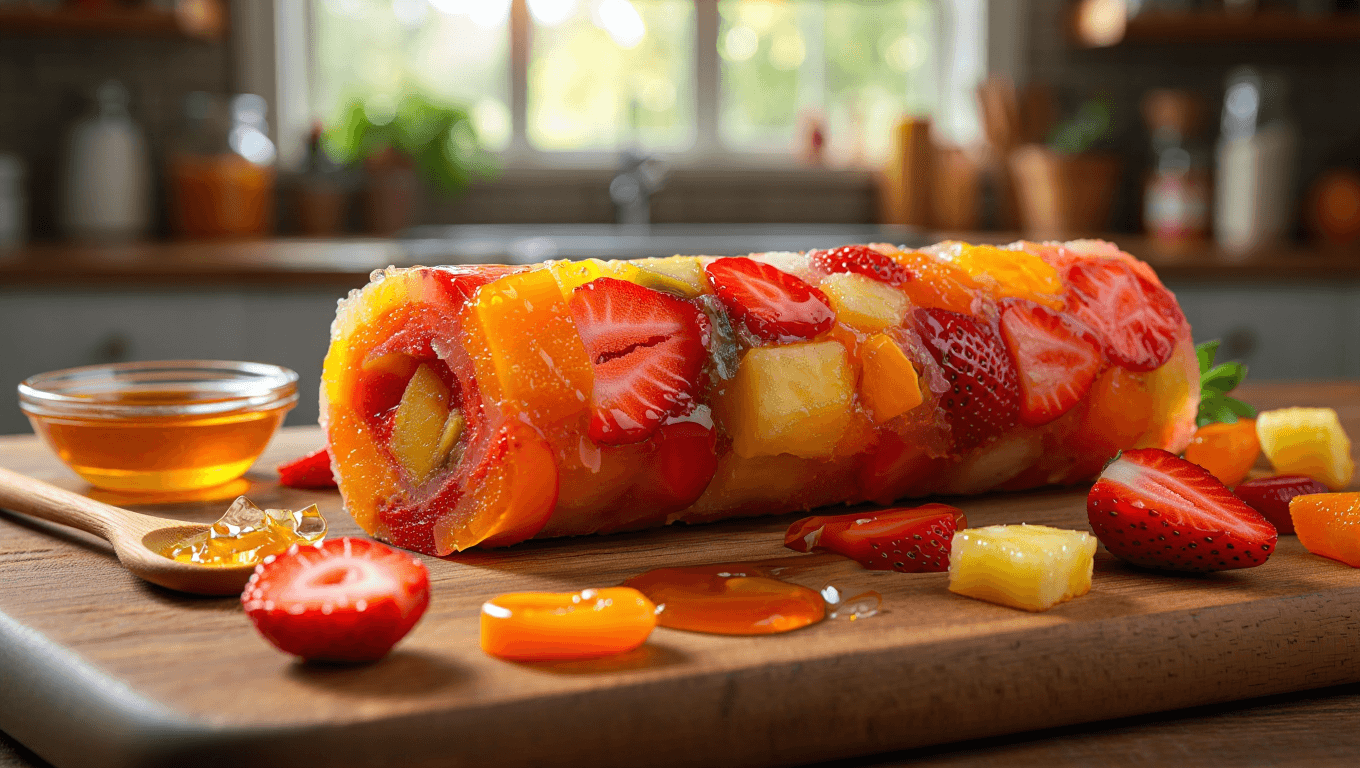
Fruit Roll-Ups have long been a colorful staple in lunchboxes and snack drawers, catching the eye with bright colors and playful shapes. These chewy fruit snacks offer a nostalgic taste for adults and a fun treat for kids, but they also spark questions about ingredients and nutrition. This article explains what Fruit Roll-Ups are, what they contain, and how you can recreate a cleaner, homemade version while keeping flavor and texture in mind.
What are Fruit Roll-Ups?
Comment préparer le Mar del Plata, aperitivo au gin sec aux agrumes et herbes ?
How to meal prep air fryer chicken breasts for easy healthy lunches?
Fruit Roll-Ups are thin, chewy sheets of fruit-flavored snack often sold in individual wrappers. They resemble traditional fruit leather but rely on a processed formula for texture and long shelf life. Brands have marketed them as playful, portable treats that appeal to children and busy families.
Originally launched as a novelty snack, these products became popular through colorful packaging and clever advertising. The texture offers a different eating experience than whole fruit, and the flavors range from familiar fruits to whimsical combinations. Consumers often choose them for convenience and taste rather than nutritional value.
Compared with homemade fruit leather, commercial Fruit Roll-Ups prioritize consistency and cost. That means more added sugars, flavors, and preservatives in many recipes. Reading labels helps you understand the balance between taste, convenience, and ingredients.
What ingredients are in store bought Fruit Roll-Ups?
Common commercial formulas include fruit puree or concentrate, sweeteners, and thickening agents for chewiness. Artificial flavors and colors frequently appear to enhance visual and taste appeal. Many recipes also contain preservatives to extend shelf life and maintain texture.
Key elements to watch for on the label include sugar content, fruit content percentage, and the presence of artificial dyes. High fructose corn syrup or added sugar often contribute a large share of calories. Consumers concerned about additives look for products labeled as natural or made with real fruit.
Here is a quick ingredient checklist that helps compare store-bought options
- Fruit puree or concentrate
- Added sugars or sweeteners
- Gelling agents and stabilizers
- Artificial or natural flavors
- Preservatives and colorants
| Item | Typical per serving | Common notes |
|---|---|---|
| Calories | ~80 to 100 kcal | Depends on sugar and serving size |
| Sugar | ~10 to 15 g | Often high relative to whole fruit |
| Fiber | 0 to 1 g | Minimal compared with whole fruit |
| Fruit content | Varies widely | Check label for percent real fruit |
Are Fruit Roll-Ups healthy for kids and adults?
Fruit Roll-Ups work fine as an occasional treat but rarely qualify as a health food. High sugar levels and low fiber make them more like candy than whole fruit. Moderation is the practical approach for families who want to include them in snacks without overindulging.
Nutritionally conscious shoppers should focus on portion control and label reading. Choosing versions with higher real fruit content and fewer artificial additives reduces risk. Pairing a roll-up with a protein or a piece of whole fruit helps balance the snack.
How can you make fruit roll-ups at home?
Making your own fruit roll-ups gives you control over ingredients and sweetness while delivering vibrant flavor. You will need a blender, a baking sheet, and patience for drying time. Home versions often taste fresher and contain no artificial colors or preservatives.
Simple oven or dehydrator recipe
Blend ripe fruit until completely smooth, adding a touch of honey or maple syrup if extra sweetness is desired. Spread the puree thinly on a lined baking sheet and dry in a low oven or dehydrator until tacky and peelable. Cut into strips and roll with parchment, storing in an airtight container for up to two weeks.
Flavor ideas and practical tips
Combine berries with applesauce for natural sweetness, or blend mango with lime for a tropical twist. For thicker texture, add a bit of mashed banana or fruit jam and mix thoroughly. You all can experiment with spices like cinnamon or ginger to add depth without extra sugar.
How should you store and serve Fruit Roll-Ups?
Commercially packaged roll-ups last a long time if kept in a cool, dry place away from direct sunlight. Once opened, they are best consumed within a few days to preserve texture and flavor. Storing them in individual wrappers helps prevent sticking and preserves freshness.
Homemade versions require more care and benefit from refrigeration if kept longer than a few days. Freezing individual strips on a tray and storing them in a sealed bag extends life while maintaining chewiness. Serving them alongside whole fruit or nuts creates a more balanced snack experience.

Tyler Benson specializes in quick and practical snack ideas for active lifestyles. His content focuses on efficiency, flavor, and everyday convenience.