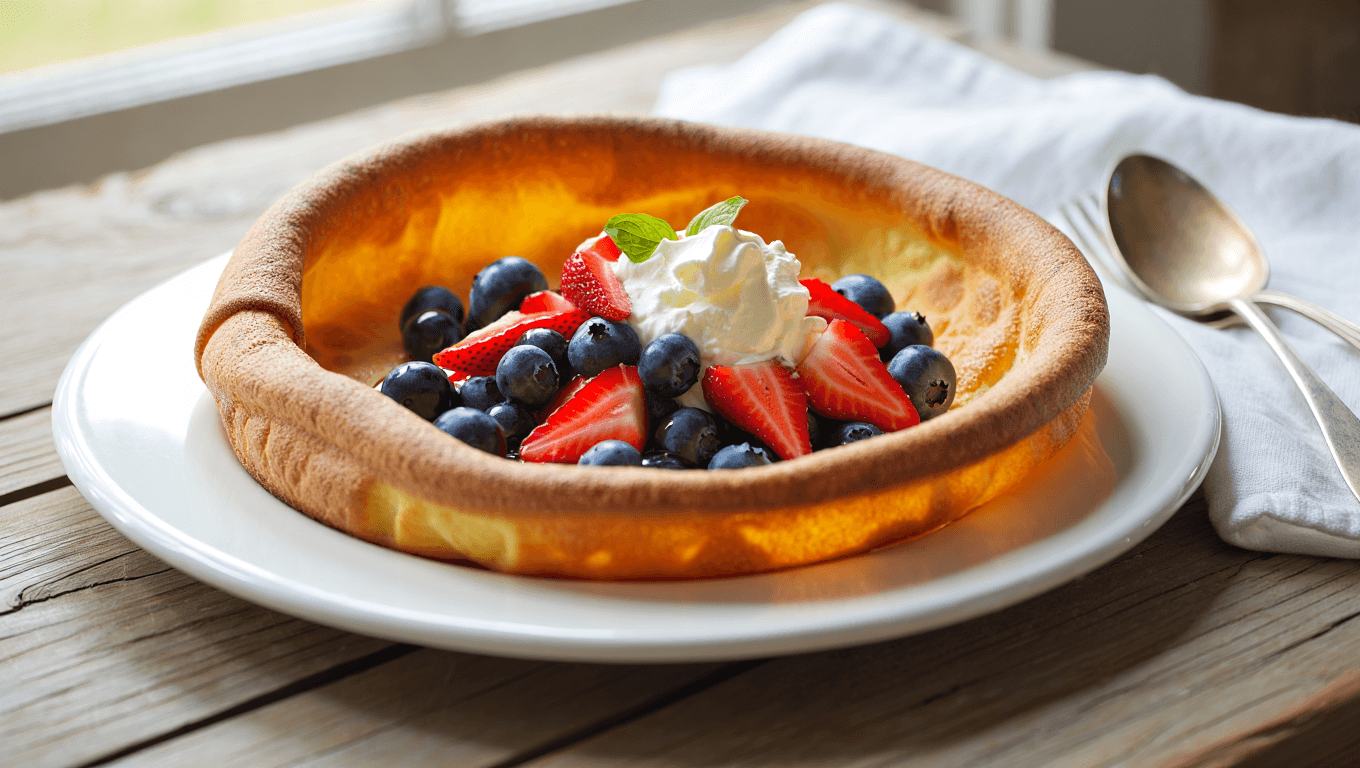
Light, theatrical, and surprisingly simple, the Dutch baby pancake has become a brunch favorite for anyone who likes a show on the plate. This oven-baked pancake puffs dramatically, then relaxes into a golden, crepe-like bowl that takes toppings beautifully. Home cooks will appreciate how a short ingredient list and a blender do most of the work, leaving you time for fresh fruit, savory fillings, or a slow morning coffee.
What exactly is a Dutch baby pancake?
Top 20 St. Patrick’s Day cocktail recipes: easy green drinks for parties
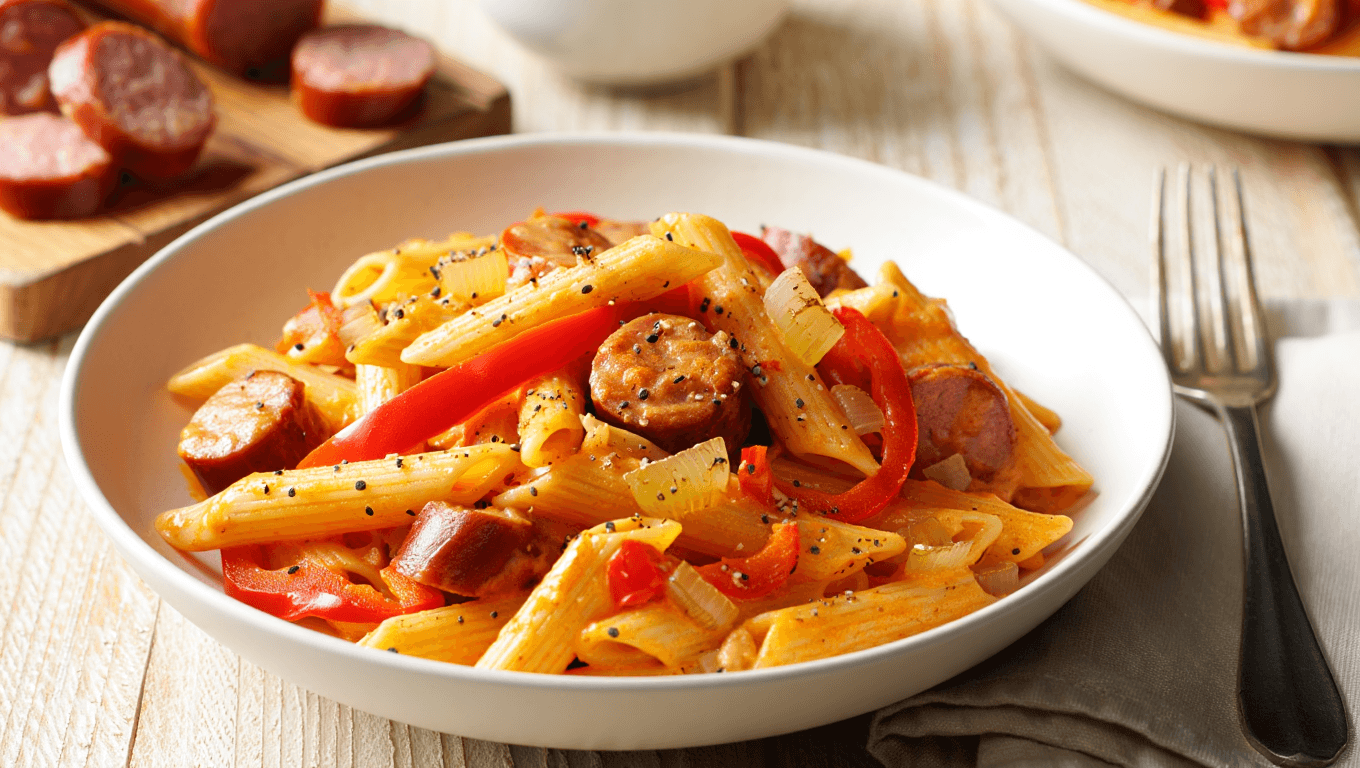
Creamy Cajun pasta recipe with peppers and smoked sausage
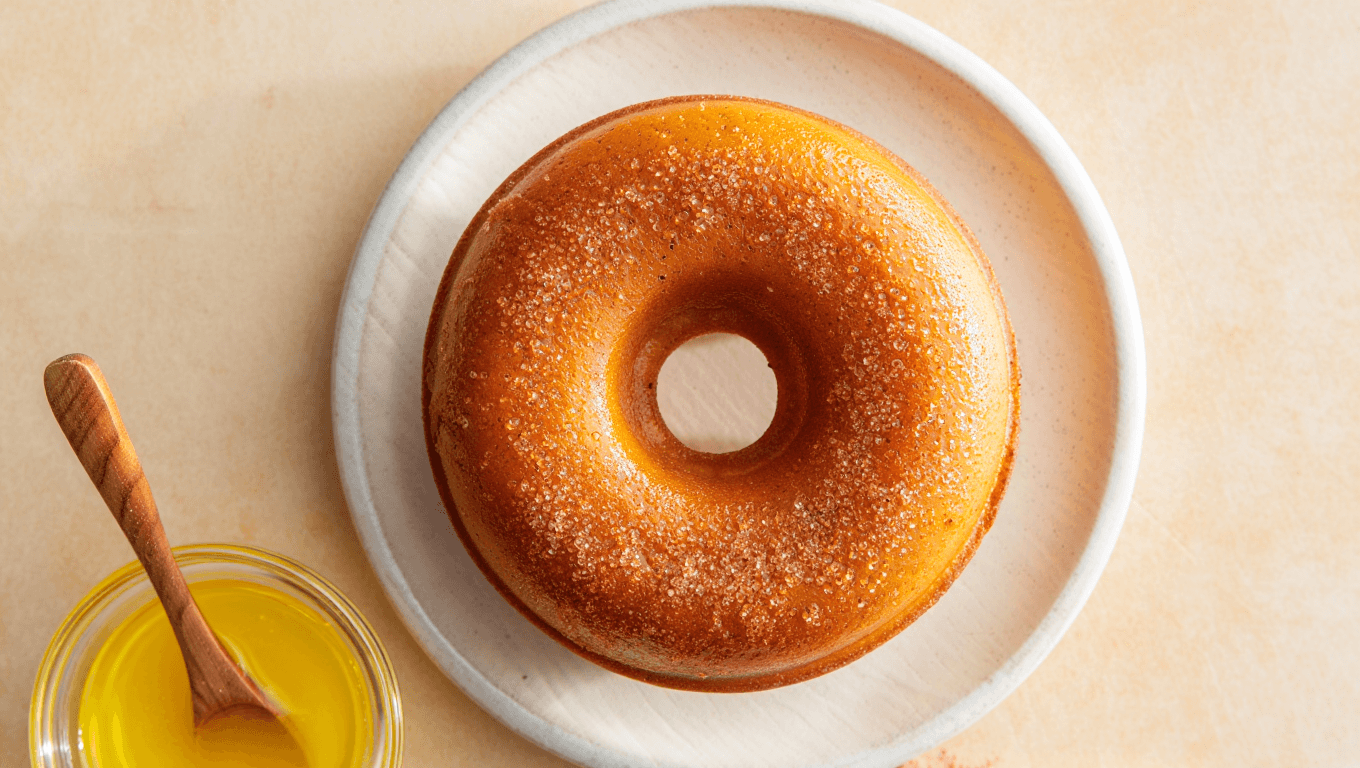
The Dutch baby is an oven-baked pancake that rises high like a popover and then gently collapses as it cools. It blends the airy lift of a Yorkshire pudding with the tender chew of a crepe, creating crisp, buttery edges and a soft center. Bakers often serve it at brunch, but it works equally well for a casual dinner or a sweet snack.
Origins trace back to early 20th-century American cafés, though the batter resembles German Pfannkuchen in technique. The lift comes entirely from eggs and steam rather than chemical leaveners. That simple science makes the recipe forgiving and consistent when you follow a few key steps.
Because the base is neutral and egg-forward, the Dutch baby pairs with both sweet and savory toppings. You will find versions finished with powdered sugar, maple syrup, or lemon curd, and alternative takes include smoked salmon, herbs, or sautéed vegetables. Experimentation is part of the fun and helps the dish stay fresh on your menu.
How do you make a Dutch baby at home?
Begin by blending the batter: put 3 large room-temperature eggs in a blender and mix until frothy. Add 3/4 cup all-purpose flour, 3/4 cup milk, 1 teaspoon lemon zest (optional), 2 tablespoons sugar, a pinch of salt, and 1/2 teaspoon vanilla, then blend until smooth. The batter should be thin and pourable.
Let the batter rest for about 15–20 minutes so the flour hydrates and the texture evens out. Meanwhile, preheat your oven to 400°F (204°C) and place a 10-inch oven-safe skillet with 3 tablespoons butter inside to melt. That hot butter and pan surface help the pancake jump up quickly when it hits the oven heat.
Pour the batter into the preheated skillet and bake 15 minutes at 400°F, then lower the oven to 350°F and bake about 10 more minutes until the center is set and the edges are browned. Remove and let the pancake settle for about five minutes before adding toppings and slicing. Serve immediately for the best texture.
| Ingredient | US Measure | Metric |
|---|---|---|
| Large eggs (room temp) | 3 | — |
| All-purpose flour | 3/4 cup | 94 g |
| Whole milk | 3/4 cup | 180 ml |
| Granulated sugar | 2 Tbsp | 25 g |
| Unsalted butter | 3 Tbsp | 43 g |
What pan should I use for the best puff?
A 10-inch cast-iron skillet is the classic choice because it holds heat evenly and creates crisp, caramelized edges. Any oven-safe skillet of similar diameter will still work well, including stainless steel or heavy-duty nonstick pans. The important factor is that the pan be very hot when the batter goes in.
If you do not have a 10-inch skillet, try a 3-quart baking dish, a 10-inch pie plate, or a 9-inch square pan as alternatives. Each shape affects the final look and thickness of the pancake, but the technique remains the same. Before pouring, always melt the butter in the pan in the preheated oven and spread it up the sides for extra color and lift.
Sweet or savory ideas for toppings?
The Dutch baby becomes a different dish depending on the toppings you choose. For a simple, crowd-pleasing sweet version, sift confectioners’ sugar, add fresh berries, and drizzle maple syrup. For a richer dessert, top with whipped cream and a warm fruit compote.
Savory fans can transform the pancake into a brunch main by adding smoked salmon, sour cream, and chives, or layer roasted vegetables and a dollop of pesto. If vous are entertaining, consider serving a dozen small topping bowls so guests can build their own plates. Variety keeps the experience lively and makes the Dutch baby ideal for group brunches.
- Powdered sugar, berries, and maple syrup
- Lemon curd with whipped cream
- Nutella and sliced banana
- Sautéed apples with cinnamon
- Smoked salmon, sour cream, and fresh chives
- Fresh mozzarella, basil, and cherry tomatoes
Seasonal produce shines here; think roasted squash in autumn or grilled peaches in summer. Use toppings as a finishing touch rather than mixing them into the batter so the pancake keeps its delicate texture.
Can I prepare the batter ahead of time?
Yes, the batter stores well in the refrigerator for up to 24 hours when covered tightly. After blending, transfer the mixture to a sealed container and chill. There is no need to bring it back to room temperature before baking; you can pour it straight from the fridge into the hot, buttered pan.
For best rise, use eggs and milk at room temperature if you make the batter immediately before baking. If you refrigerate the batter and notice separation, give it a short shake or a quick stir before pouring. Leftover baked Dutch baby keeps in the refrigerator for up to five days and freezes well for up to two months.

Miles H. Whitaker writes about breakfast with a calm and practical approach. His recipes are designed for both busy mornings and relaxed starts, focusing on simplicity, comfort, and everyday nourishment.