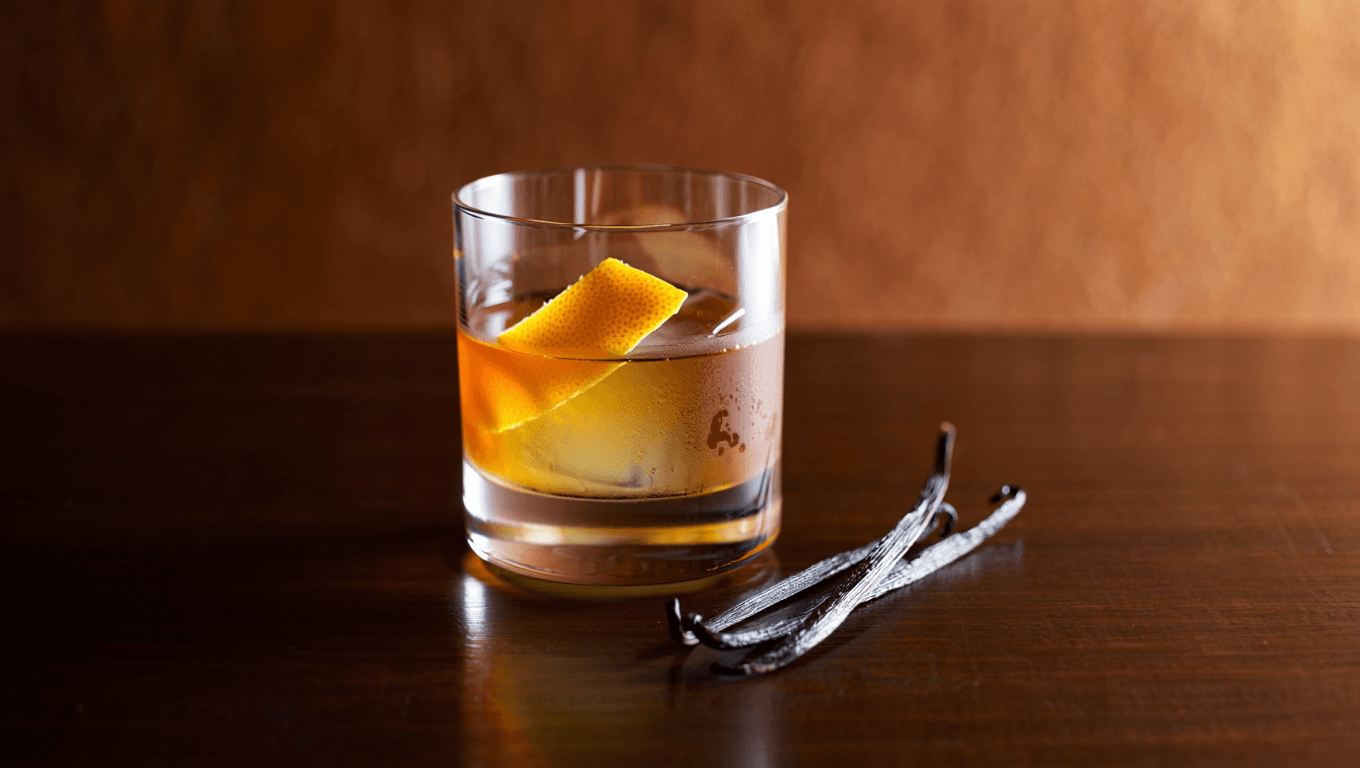
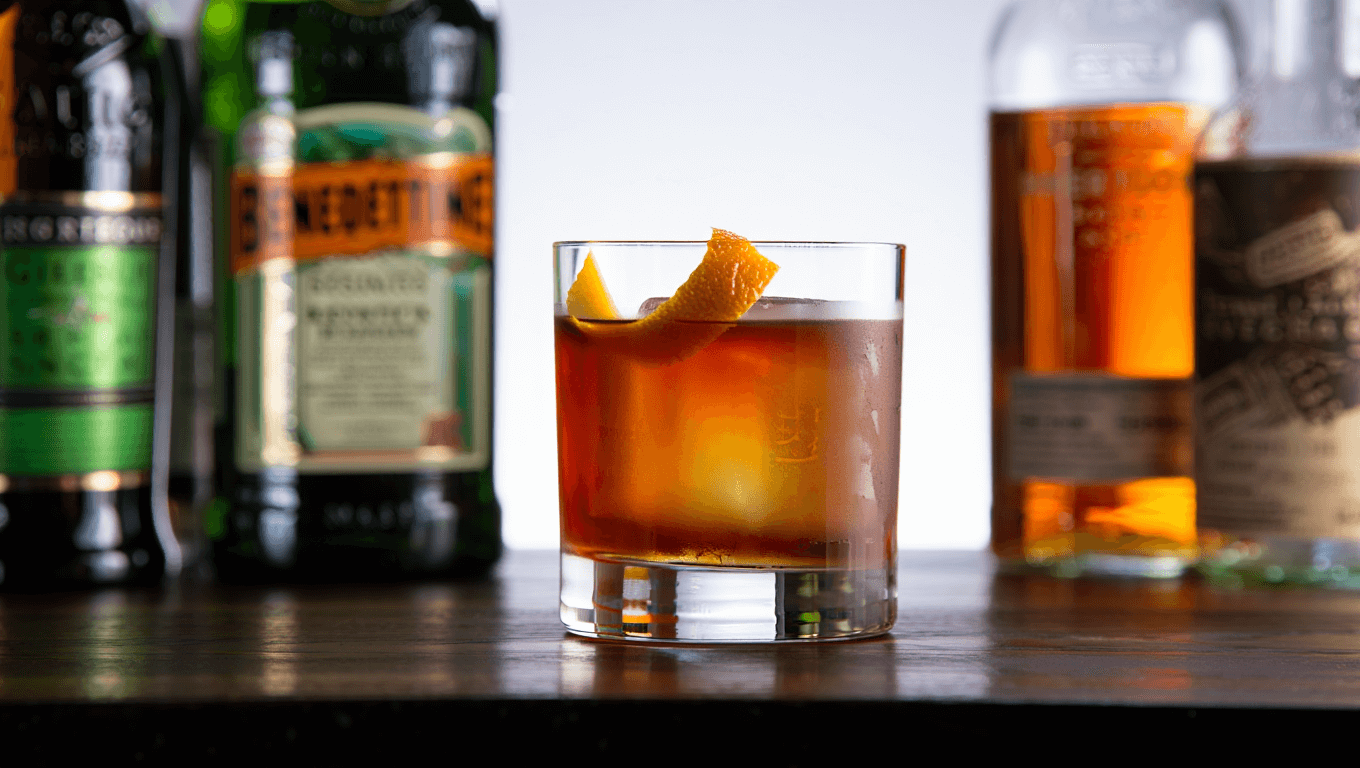
The Purgatory cocktail pairs bold rye whiskey with the herbal depth of Bénédictine and Green Chartreuse, creating a spirit-forward sipper that rewards slow tasting. This recipe suits anyone who appreciates concentrated flavors and a balancing twist of citrus. Readers will find clear instructions, ingredient details, and background on origins so you can recreate the drink at home or adapt it for your next evening. Practical tips help control strength and mouthfeel without sacrificing the cocktail’s distinctive character.
What is the Purgatory cocktail?
Easy creamy green chili chicken bake recipe for weeknight dinners
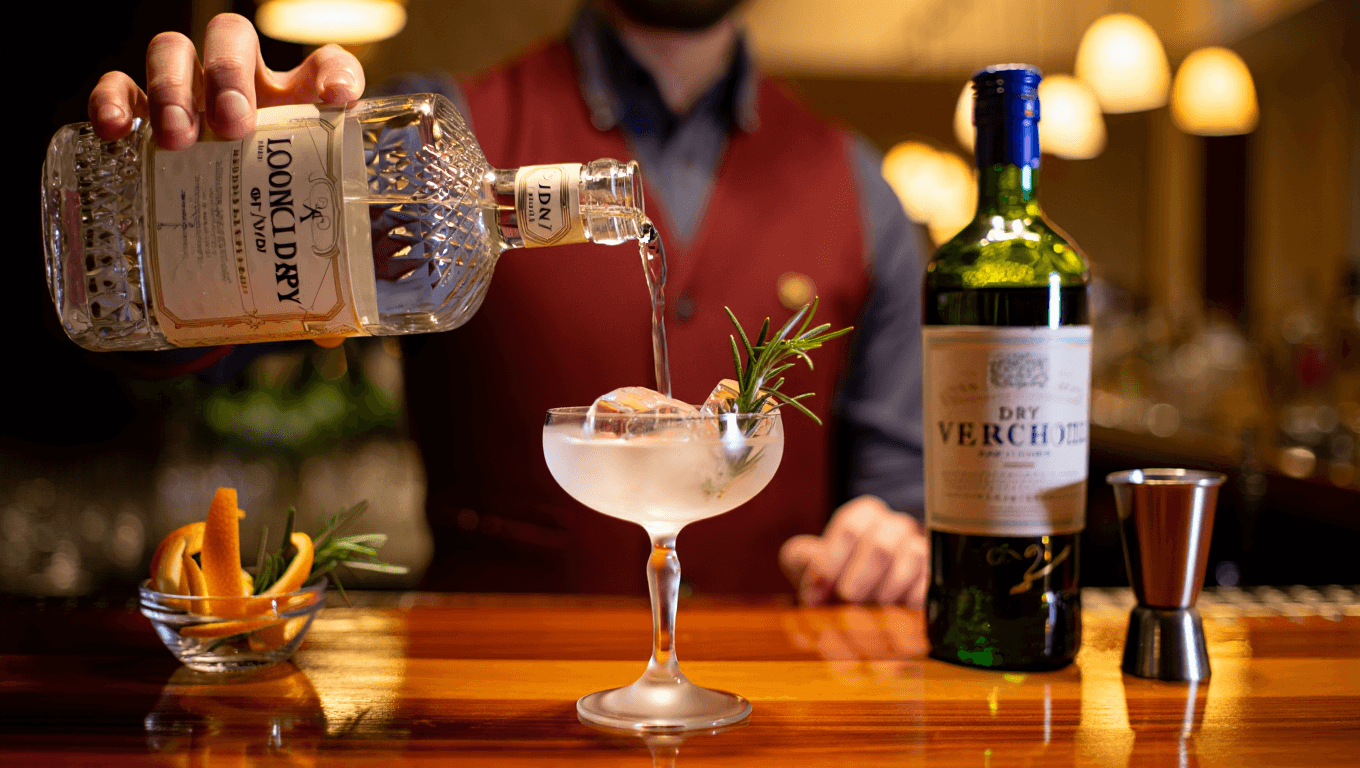
Comment préparer le Mar del Plata, aperitivo au gin sec aux agrumes et herbes ?
The Purgatory is a short, stirred cocktail built around rye whiskey and two potent herbal liqueurs. It reads as a robust, slightly sweet libation with complex herbal notes that linger on the finish. Bartenders often recommend it as a nightcap rather than an all-evening drink because of its concentrated spirit profile.
This drink favors small-format sipping rather than highball-style serving, and it showcases how minimal ingredients can produce layers of flavor. Home mixologists who enjoy classic spirit-forward cocktails will likely appreciate its structure and balance.
Which ingredients are required?
Gather well-aged rye whiskey plus the two signature liqueurs: Bénédictine D.O.M. and Green Chartreuse. Small additions of chilled water and an optional saline pinch let you tame intensity and round the edges without diluting aromatics too much. Use quality components for the best results because each element plays a clear role in the final flavor.
| Quantity | Ingredient |
|---|---|
| 50 ml | Straight rye whiskey (50% alc./vol. / 100 proof) |
| 15 ml | Bénédictine D.O.M. liqueur |
| 15 ml | Green Chartreuse or similar herbal liqueur |
| 5 ml | Chilled water (omit if using wet ice) |
| 2 drops | Saline solution or a merest pinch of fine sea salt (optional) |
Adjust the rye brand for spiciness and the Chartreuse for herbal intensity if you prefer a milder or more aromatic profile. Keep measurements consistent when scaling the recipe for multiple servings.
How do you make the Purgatory cocktail?
Begin with a chilled coupe or similar stemmed glass so the drink arrives cold and undiluted. Prepare a thin lemon twist for garnish and place it to the side while you work. Have fresh ice and a mixing glass ready before combining ingredients.
Combine rye, Bénédictine, Chartreuse, chilled water, and optional saline in the mixing glass with plenty of ice. Stir the mixture until the outside of the mixing glass feels well chilled, which usually takes about 30–40 seconds depending on your ice. Strain the cocktail through a fine strainer into the pre-chilled glass to remove any micro chips of ice.
- Stirring keeps the drink clear and silky; shaking would cloud the texture.
- Fine straining preserves texture and avoids over-dilution from crushed ice.
Express a lemon zest over the surface to release oils and then rest the twist on the rim as garnish. If vous prefer a slightly softer drink, add a touch more chilled water in small increments and taste between adjustments.
Which glass and garnish work best?
A chilled coupe or 15cl retro coupette flatters the Purgatory and keeps the aromas concentrated toward the nose. The smaller bowl also encourages sipping rather than gulping, matching the drink’s intensity and spirit-forward nature. Pre-chilling the glass enhances the overall balance and preserves the cocktail’s temperature for longer.
Lemon zest is the classic garnish because citrus oils brighten the herbal and sweet notes with a sharp citrus lift. Avoid heavy garnishes that compete with Chartreuse and Bénédictine; the aim is to highlight, not overpower, the layered herbal profile.
What does it taste like and how strong is it?
The Purgatory balances spicy cereal notes from rye with rich, honeyed sweetness from Bénédictine and vivid botanicals from Chartreuse. The ensemble comes across as spirit-forward and concentrated, with a long, herbal finish and a hint of citrus from the garnish. Small amounts of chilled water or saline can coax out subtle aromatics and tame sharp edges without diluting core flavors.
Expect a serious alcoholic presence; a single serving contains roughly 36% alc./vol. and about 213 calories. The cocktail sits in the “medium to boozy” spectrum, so pacing and small sips help fully appreciate the complexity without becoming overwhelmed.
Who invented the Purgatory and where did it come from?
The recipe traces back to 2007 and is commonly credited to Ted Kilgore from restaurants in the St. Louis area. Early publications and cocktail columns helped the drink gain recognition beyond the local scene, with several bartenders and writers amplifying the recipe in print. Variations since that time have tweaked proportions, but the core combination of rye, Bénédictine, and Chartreuse remains consistent.
Historical notes suggest the cocktail arrived as a bold pick-me-up that later found favor as a contemplative nightcap. This evolution underlines how serving context and audience preference shape a drink’s reputation over time.
Nutrition and alcohol details
One standard serving of the Purgatory contains approximately 213 calories and represents about 2.2 standard drinks. The calculated alcohol by volume for the recipe is roughly 36.39% alc./vol. which equals close to 72.78 proof.
Home calculations will vary with spirit proof, exact measures, and any substitutions you make. For accurate tracking, weigh or measure components precisely and adjust the figures based on the specific products you choose.

Andrew Cole focuses on everyday drinks, from warm comfort beverages to refreshing options. His writing emphasizes balance, clarity, and ease of preparation.