Fresh English peas bring summer to the plate with a crisp, sweet snap that feels effortless to cook. When peas arrive at peak freshness they need very little fuss to shine, which makes this buttered peas idea a favorite for fast weeknight sides and simple dinner upgrades. Recipes that highlight the pea’s natural flavor tend to perform best, so learning how to cook peas well rewards you at every meal. Consider this a practical guide to turning a handful of shelled peas into a polished dish.
Why do fresh English peas taste so much better?
Comment préparer le Mar del Plata, aperitivo au gin sec aux agrumes et herbes ?
How to meal prep air fryer chicken breasts for easy healthy lunches?
Peas picked recently retain sugars and volatile aromatics that fade quickly after harvest. Those compounds give fresh peas a bright, grassy sweetness you rarely find in frozen or supermarket varieties. Farmers’ market or CSA peas often outshine anything bought from distant distribution centers.
Texture matters as much as flavor. Fresh peas remain tender yet slightly firm, offering a satisfying pop when you bite. That mouthfeel disappears when peas sit too long or are overcooked.
Keeping the preparation minimal highlights freshness. A little unsalted butter and a pinch of salt reinforce natural flavors without overwhelming them, and quick cooking preserves color and texture for maximum appeal at the table.
How long should you cook fresh peas?
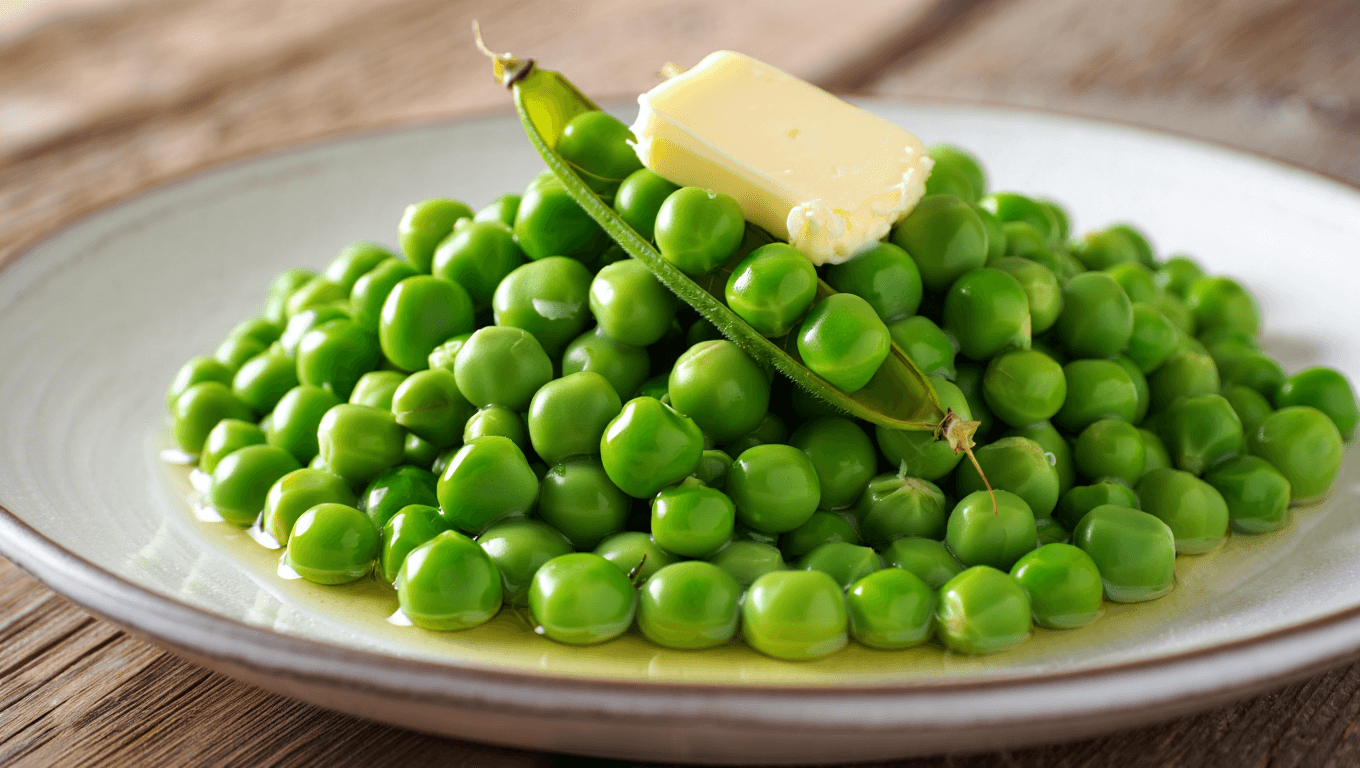
Timing is the most important variable when you learn how to cook peas properly. Aim for a very short boil so the peas warm through but keep their bite; about 60 seconds is the typical sweet spot for shelled English peas.
After boiling, drain immediately and toss with butter and salt while still warm. That quick turnaround locks in color and prevents the peas from sliding into mushy territory.
- Bring water to a hard boil.
- Add shelled peas and watch closely; when they float, count roughly one minute.
- Drain and toss with butter and salt immediately for best texture and flavor.
Simple buttered peas recipe with quick variations
Ingredients can stay minimal and still deliver a memorable side. For 2 servings use 2 ½ cups shelled fresh peas, 1 tablespoon unsalted butter, and ½ teaspoon salt, adjusting salt to taste. Freshness of the peas matters more than fancy seasonings.
Start by bringing a small saucepan of water to a vigorous boil. While the water heats, shell and rinse the peas so you have roughly 2 ½ cups ready. Add the peas to the boiling water and remove them once they float and have brightened in color, about 60 seconds.
Drain the peas well and return them briefly to the warm pan off the heat. Stir in the butter until melted and coat the peas, then sprinkle with salt and serve immediately. If vous want to stretch this into a salad or warm side, add a splash of lemon juice, chopped mint, or crispy bacon for contrast.
| Item | Quantity | Notes |
|---|---|---|
| Fresh peas | 2 ½ cups (shelled) | Rinse and drain before cooking |
| Unsalted butter | 1 tablespoon | Adjust for richer flavor |
| Salt | ½ teaspoon | Season to taste after tossing |
| Cook time | ~1 minute | Boil until peas float, then drain |
| Servings | 2 | Half cup per serving |
What simple tweaks make this side more interesting?
Small additions transform classic buttered peas into different profiles without masking the pea’s sweetness. Try lemon zest and mint for a fresh finish, or crisp shallots and toasted almonds for added texture. A little grated Parmesan or a sprinkle of chili flakes can push the dish toward umami or heat.
For summer gatherings, toss warm peas with light vinaigrette, diced red onion, chopped celery, and roasted peanuts to create a vibrant pea salad. That variation keeps the core technique identical while broadening the dish’s role on your menu.

Elliot Raymond focuses on side dishes that balance meals without overpowering them. His recipes are flexible, light, and easy to pair with a variety of cuisines.