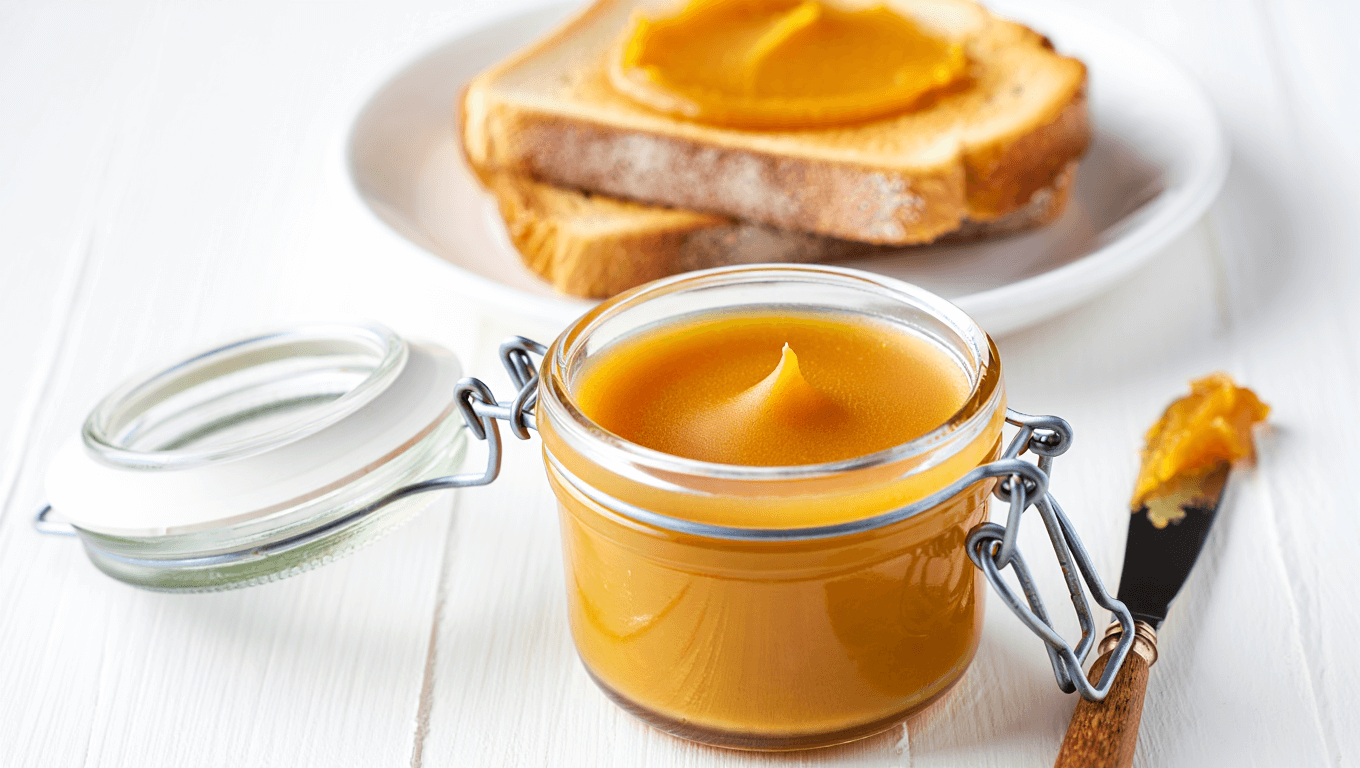
There is something quietly indulgent about a jar of homemade honey butter sitting on the table, soft and gleaming, ready to lift ordinary toast, pancakes, or biscuits into something memorable. This easy honey butter recipe uses everyday pantry staples and a few simple techniques to produce an ultra-creamy spread with a hint of sea salt that balances sweetness perfectly. Readers who want a quick, versatile condiment for breakfast, brunch, or the dinner roll basket will find this version fast to prepare and endlessly adaptable.
What ingredients make a reliable homemade honey butter?
Mole Old Fashioned recipe: corn and rye whiskey with chocolate and spice notes
Easy slow cooker honey garlic chicken recipe
Keep the ingredient list short and focused for the best results. Use unsalted butter at room temperature, a good-quality honey, and a little confectioners’ sugar to stabilize texture. Finish with flaky sea salt to lift the flavors.
Butter choices matter. American-style butter works well, while European-style butter can add a richer mouthfeel because of higher butterfat. Any honey will do, from wildflower to clover, but raw or single-origin varietals will contribute distinct floral notes.
How do you make honey butter at home?
In a large bowl, beat the softened butter until it becomes smooth and creamy. Use a handheld mixer or a stand mixer for speed; vigorous whisking by hand will also work but takes more elbow grease.
Add the honey and confectioners’ sugar and continue beating until the mixture is homogeneous and glossy. Start with a modest amount of flaky sea salt and adjust after tasting. A final short burst of mixing brings extra silkiness.
A couple of simple service tips make a difference. Drizzle a little extra honey on top when serving and sprinkle an extra pinch of flaky sea salt for contrast. Try letting the honey sit at room temperature briefly before mixing if it’s very thick.
What quantities and substitutions should I use?
The basic proportions yield roughly one cup of honey butter and are easy to scale. Measure by volume or weight depending on your preference for precision. Use the table below as a quick reference.
| Ingredient | Amount | Common substitutions |
|---|---|---|
| Unsalted butter, softened | 1 cup (226 g) | Salted butter (reduce added salt) |
| Honey | 1/3 cup (113 g) | Pure maple syrup for maple butter |
| Confectioners’ sugar | 3 Tbsp (23 g) | Omit for less smooth texture, or use 1 Tbsp if sensitive to sweetness |
| Flaky sea salt | 1/4–1/2 tsp | Fine sea salt (use sparingly) |
How long does honey butter keep and can you freeze it?
Store honey butter tightly covered at room temperature for short-term use or refrigerate for longer storage. If your butter was pasteurized, keep it refrigerated after two days and use within two to three months.
Freezing is a practical option when you make larger batches. Place honey butter in a freezer-safe container or chill until firm, portion onto plastic wrap, and freeze. Thaw overnight in the refrigerator and beat briefly to re-fluff if needed. Vous will appreciate having ready-made spread on hand.
Which flavor variations are easiest and most effective?
Small additions transform the base into distinct versions. Stir in a teaspoon of ground cinnamon for a warm profile or swap honey for maple syrup to make maple butter. For spicy notes, use hot honey or add crushed red pepper flakes.
Whipping the mixture longer creates a lighter, fluffy version. Use a whisk attachment and beat on high for five minutes to incorporate air. This whipped honey butter is excellent on pancakes and soft rolls.
What should you spread honey butter on?
Classic pairings include warm biscuits, cornbread, and pancakes, but the spread is more versatile than that. Try it on brioche French toast, freshly baked scones, or rustic toast made from crusty bread.
- Fluffy buttermilk pancakes and waffles
- Biscuits, corn muffins, and dinner rolls
- Sweet breads like banana or zucchini loaf
Experiment with savory contrasts. A smear on roasted sweet potato or a warm pretzel roll creates appealing sweet-salty balance. And yes, a spoonful alongside cheese boards can be surprisingly good.
What practical tips prevent common mistakes?
Work with butter that is truly at room temperature for effortless blending. If the butter is too cold, lumps will remain. If it is overly soft, the final texture can become greasy.
Sift the confectioners’ sugar if it is lumpy, and add salt incrementally. Taste before adding more. For a browned butter version, brown first, let it cool and re-solidify to room temperature, then beat; add two extra tablespoons of butter to compensate for moisture loss during browning.

Miles H. Whitaker writes about breakfast with a calm and practical approach. His recipes are designed for both busy mornings and relaxed starts, focusing on simplicity, comfort, and everyday nourishment.