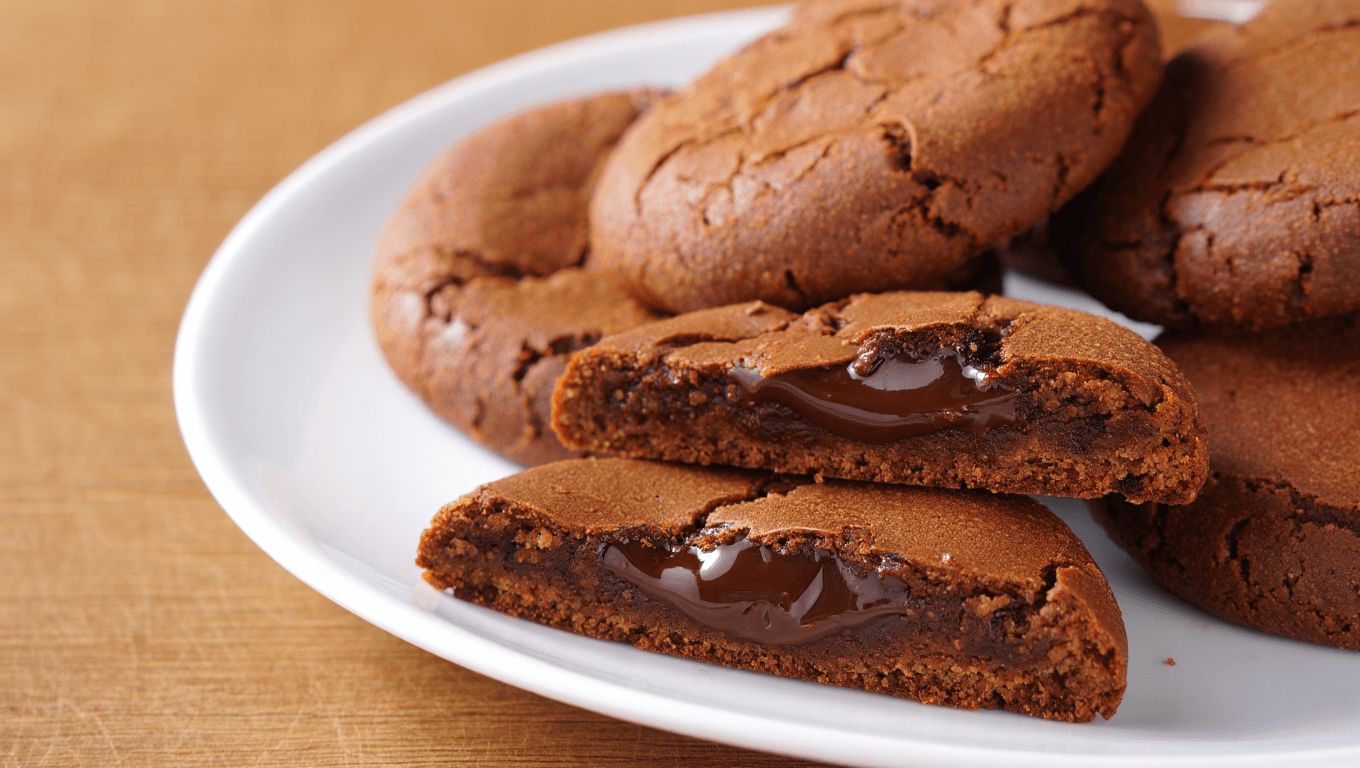
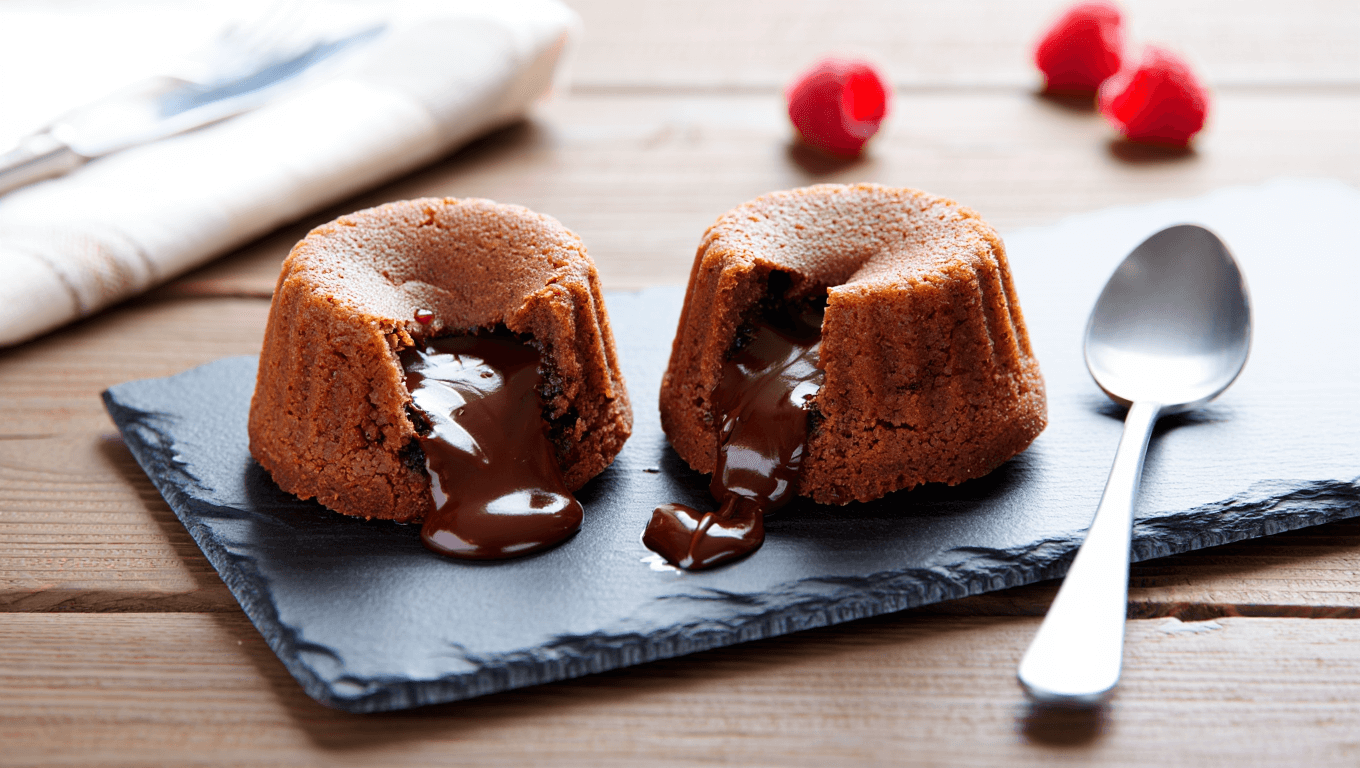
Molten chocolate cake remains a showstopper for any dinner party, pairing a tender exterior with a liquid, chocolate center that feels indulgent yet surprisingly simple to achieve. This version focuses on reliable technique and everyday ingredients so you can make a professional-quality chocolate lava cake at home in under an hour. You will find clear guidance on chocolate choice, timing by vessel size, and smart make-ahead tricks that keep results consistent. Read on for practical tips and a foolproof recipe that highlights texture, flavor, and timing.
Which chocolate makes the best molten cake?
Mole Old Fashioned recipe: corn and rye whiskey with chocolate and spice notes
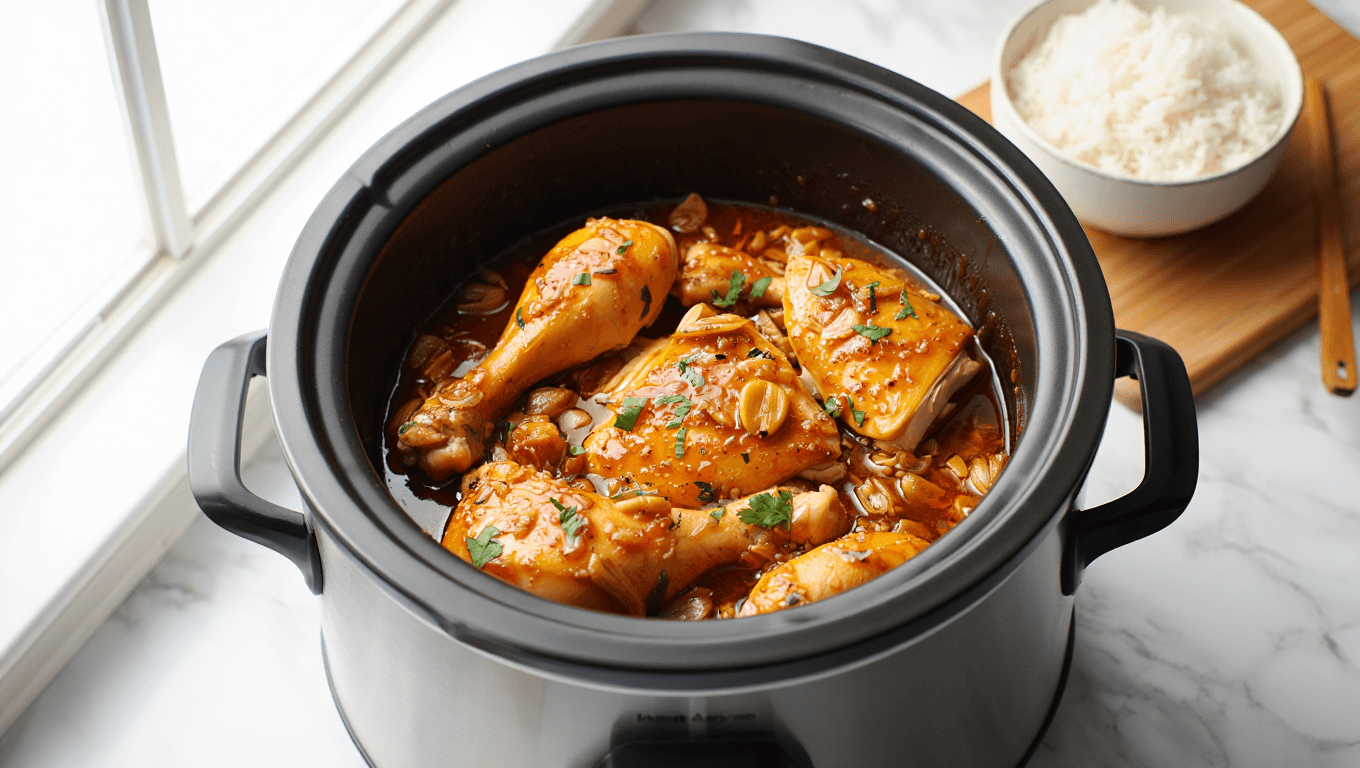
Easy slow cooker honey garlic chicken recipe
Choose a good-quality bittersweet chocolate with about 70 to 74 percent cacao for the deepest flavor and the right melt. Avoid chocolate chips because stabilizers change how they melt and can prevent the center from becoming silky and liquid.
Chop a chocolate bar into small, even pieces before melting to speed the process and ensure a smooth emulsion with butter. If you prefer a slightly sweeter profile, pick a 60 to 65 percent bar, but keep the fat and texture consistent for reliable results.
What ingredients do you need and in what amounts?
Below is a concise ingredients list for two servings prepared in a single 10-ounce dish or split between two 6-ounce ramekins. Quantities include metric and imperial measures so you can pick your preferred system.
- 85 g / 3 oz bittersweet chocolate (70–74% cacao), chopped
- 3 tbsp unsalted butter, plus extra for greasing
- 3 tbsp granulated sugar, plus a little to dust the ramekin
- 1 large egg
- 1 large egg yolk
- ½ tsp vanilla extract
- ⅛ tsp kosher salt
- 2 tbsp all-purpose flour
- Confectioners’ sugar for dusting (optional)
How do you prepare the batter and bake it step by step?
Preheat your oven to 425°F (220°C). Grease the ramekin with butter and dust the inside with granulated sugar so the cake will release easily and gain a slight crunchy edge.
Melt the chopped chocolate with butter over a simmering water bath or in 20–30 second bursts in the microwave, stirring between intervals until smooth. In a separate bowl, whisk sugar, whole egg, and egg yolk until pale and foamy, then fold in vanilla, salt, and flour until just combined.
Gently combine the melted chocolate with the egg mixture using a spatula. Pour the batter into the prepared dish and bake until the edges are set but the center still gives slightly when pressed. For a cool presentation, dust with confectioners’ sugar and serve with ice cream or whipped cream.
How long should you bake by ramekin size?
Baking time depends on vessel size and starting temperature of the batter. Small variations in oven calibration and the shape of your ramekin will also change results by a minute or two.
| Vessel | Temperature | Bake time | Notes |
|---|---|---|---|
| 10‑ounce baking dish (single) | 425°F / 220°C | 12–14 minutes | Edges should be puffed and set; center soft |
| 6‑ounce ramekin (individual) | 425°F / 220°C | 7–9 minutes | Shorter time preserves the molten center |
| From refrigerator (chilled batter) | 425°F / 220°C | Add 1–2 minutes to above times | Cold batter needs slightly more oven time |
Check the cake a minute before the low end of the range and again at the high end to avoid overbaking. If you prefer a firmer interior, extend the time by 1–2 minutes; for a more liquid core, remove earlier.
Can the batter be made ahead and how should it be stored?
You can prepare the batter up to 24 hours in advance and keep it covered in the refrigerator. When baking from cold, add one or two minutes to the recommended time and watch closely during the final minutes.
If vous want absolute convenience, portion the batter into greased, sugared ramekins, cover tightly, and chill. Pull straight from the fridge to the oven when ready and let carryover heat finish the center while the edges set.
What common problems happen and how do you fix them?
The most frequent issues are centers that are too firm or cakes that stick on unmolding. Overbaking is the usual cause of a firm center; reduce the time by a minute or two and test again.
- Sticking: Thoroughly butter and sugar the ramekin so the cake releases cleanly.
- Gummy center: Don’t use chocolate chips; pick chopped bar chocolate for proper melting.
- Edges collapsed: Open the oven too soon and jolting the cake can deflate the puff; let it rest for a minute before inverting.
If your center never reaches molten stage despite correct timing, verify oven temperature with a thermometer and confirm ingredient proportions. Small changes in chocolate quality or egg size will affect texture, so weigh ingredients when possible for repeatable success.

Samuel Knox writes about desserts with a focus on comfort and simplicity. His recipes highlight homemade sweets that are easy to prepare and meant to be shared.