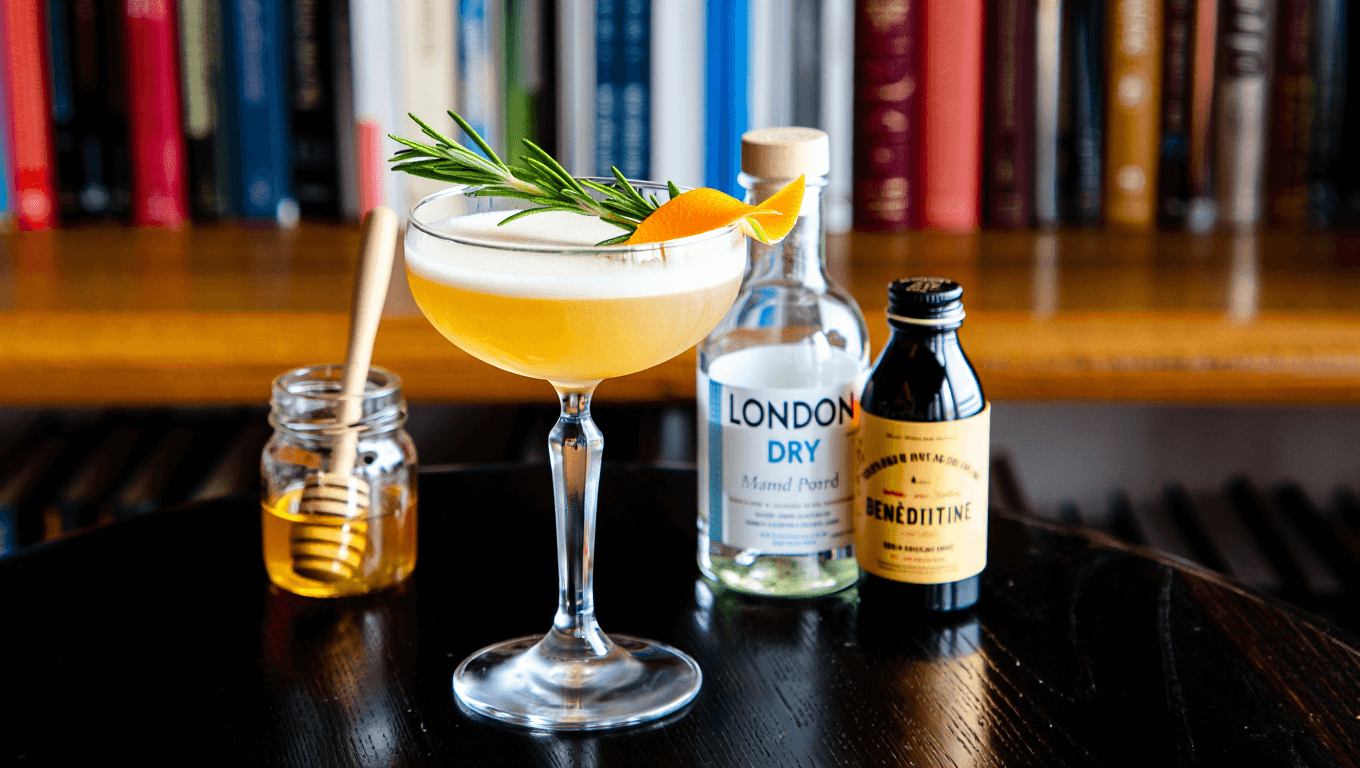
The Poet’s Dream is a refined classic cocktail that marries herbal sweetness with a crisp gin foundation, and it remains a favorite among lovers of vintage recipes. This recipe highlights Bénédictine liqueur, dry vermouth, and London dry gin, served in a chilled coupe glass for an elegant, sippable experience. You will find the balance between botanical bite and honeyed warmth both subtle and distinct. The instructions below cover ingredients, method, tasting notes, and historical context for anyone interested in mastering this timeless drink.
What is the Poet’s Dream cocktail?
Top 20 St. Patrick’s Day cocktail recipes: easy green drinks for parties
Creamy Cajun pasta recipe with peppers and smoked sausage
The Poet’s Dream dates back to the Prohibition era and appears in early 20th century bar manuals as a simple equal-parts mix. Its charm comes from blending the herbal complexity of Bénédictine with the dryness of vermouth and the backbone of gin. The result feels both antique and surprisingly modern on the palate.
Many bartenders prefer slight adjustments to the original proportions to suit contemporary tastes or time of night. The recipe below reflects a balanced variant that keeps the spirit of the original while avoiding excess sweetness.
Which ingredients do you need for Poet’s Dream?
This cocktail uses just three core ingredients and a lemon peel garnish. Precision helps here because the interplay of sweetness, dryness, and botanicals relies on careful measures. Use good-quality spirits for a clean, layered drink.
| Ingredient | Amount (ml) | Approx oz |
|---|---|---|
| Hayman’s London Dry Gin or similar | 30 ml | 1.0 oz |
| Bénédictine D.O.M. liqueur | 22.5 ml | 0.75 oz |
| Dry vermouth (eg Strucchi) | 30 ml | 1.0 oz |
Measure with consistency and chill your glass before pouring for the best presentation. If vous want to tweak sweetness, reduce the liqueur by 5–10 ml and taste as you go. Substituting a different London dry gin or a slightly drier vermouth will shift the character, so choose components that complement one another.
How do you prepare and serve the Poet’s Dream?
Select and pre-chill a coupe glass so the cocktail stays cold without dilution. Prepare a lemon zest twist and have it ready to express over the finished drink. Set up a mixing glass with plenty of fresh ice before you begin.
- Stir all ingredients with ice until well chilled and slightly diluted.
- Fine-strain into the chilled coupe glass.
- Express a lemon twist over the surface and drop it in as garnish.
Stirring rather than shaking preserves clarity and a silkier mouthfeel, which suits this style of drink. Serve immediately and encourage sipping to appreciate how aromatics evolve as the cocktail warms a touch.
What does the Poet’s Dream taste like and how strong is it?
The cocktail offers a honeyed, herb-driven sweetness from Bénédictine, balanced against the grassy, nutty notes of dry vermouth and the botanical lift of gin. Expect a medium-boozy profile where the gin remains present but never harsh, and the liqueur adds rounded depth rather than cloying sugar. Lemon oil on the surface brightens the finish and ties the components together.
As prepared above the drink typically measures around 25.5% alc./vol. and contains roughly 175 calories per serving. Dry vermouth may contain sulphites, so take allergens into account when serving guests.
Where did the Poet’s Dream originate and what are similar cocktails?
The earliest known printed recipe appears in Albert Stevens Crockett’s 1931 Old Waldorf-Astoria Bar Days, which records an equal-parts formula of Benedictine, vermouth, and gin. The drink reappeared in later cocktail literature, including the 1949 edition of Esquire’s Handbook for Hosts, cementing its place among classic martini-style mixes. Over time bartenders altered the proportions, often reducing the liqueur to keep the balance more dry than sweet.
Several cocktails share structural or flavor elements with the Poet’s Dream, offering easy avenues for exploration:
- Chrysanthemum
- Vancouver
- Queen Elizabeth
- Rolls Royce
Experimenting with those relatives will help you understand how small swaps in vermouth or liqueur change the whole drink. Keep notes on proportions so you can reproduce the balance you prefer.

Andrew Cole focuses on everyday drinks, from warm comfort beverages to refreshing options. His writing emphasizes balance, clarity, and ease of preparation.