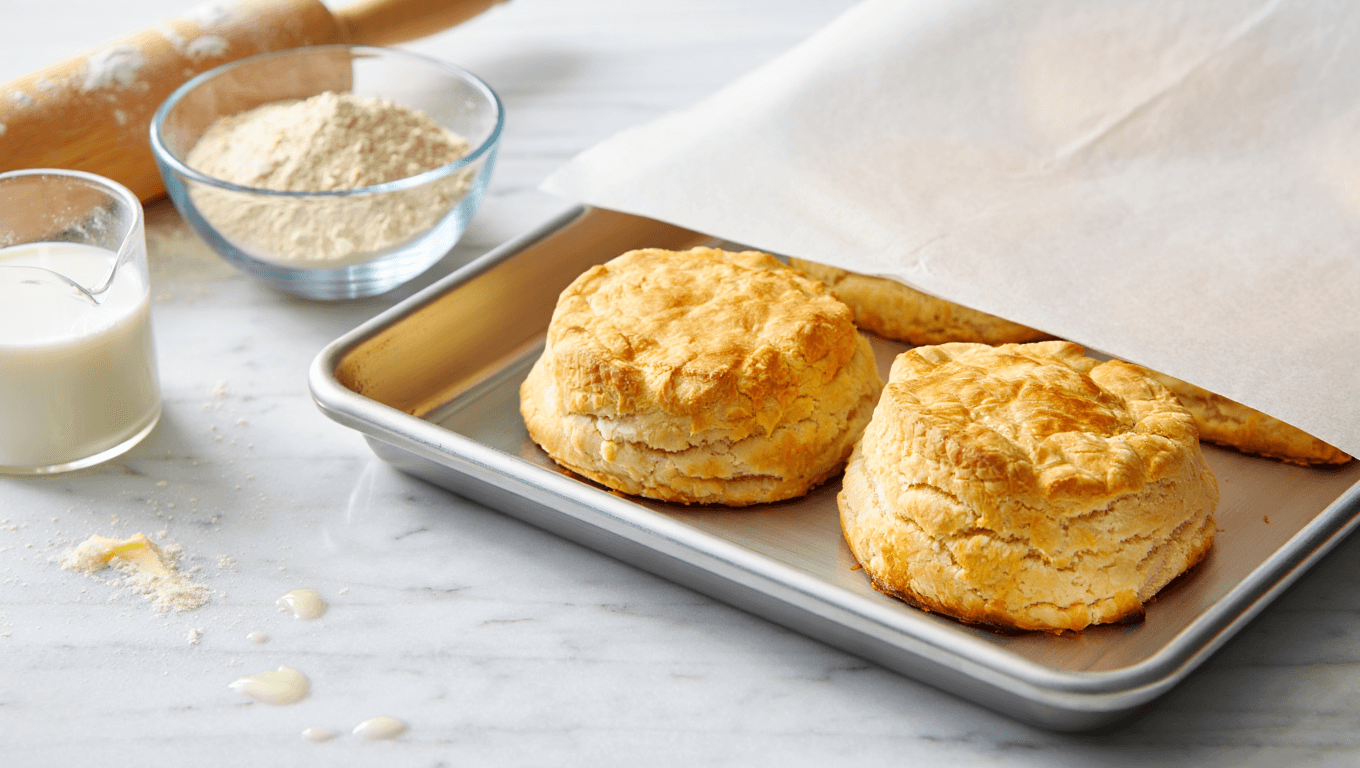
Busy weeknights rarely leave time for scratch baking, yet you can still serve warm, flaky homemade biscuits in about fifteen minutes when you prepare a simple rolled biscuit using a homemade Bisquick mix. This easy biscuits recipe gives you control over ingredients, saves money compared with store-bought convenience mixes, and produces a flaky, tender result that pairs with everything from soup to a weekday roast. The ratio is forgiving and the steps are straightforward, so even a hurried cook can deliver bakery-style results without stress.
How do you make 15-minute rolled biscuits?
Top 20 St. Patrick’s Day cocktail recipes: easy green drinks for parties
Creamy Cajun pasta recipe with peppers and smoked sausage
Begin by warming the oven so it reaches 450°F (230°C) while you prepare the dough. Use a large bowl and whisk together your homemade Bisquick mix with milk until a soft, slightly sticky dough forms. Keep the working surface lightly floured to prevent sticking when you roll.
Roll the dough to about half an inch thickness using a rolling pin or your hands for a more rustic look. Cut biscuits with a 2½ inch round cutter; an empty soup can with both ends removed works well if you lack a cutter. Press the cutter straight down without twisting to help biscuits rise evenly.
Arrange the cut biscuits on an ungreased baking sheet and bake until the tops are golden, usually 8 to 10 minutes. Remove them as soon as they show color so they remain tender inside. Serve warm with butter or your favorite jam for best results.
What ingredients are needed for homemade Bisquick rolled biscuits?
At the core this quick biscuit recipe calls for just two pantry staples: homemade Bisquick mix and milk. If your Bisquick has been prepared ahead, these biscuits come together in under ten minutes of hands-on time.
- 2 ¼ cups homemade Bisquick mix
- 2/3 cup milk (whole milk gives richer flavor)
Which substitutions and small tweaks improve the recipe?
Small ingredient swaps let you adapt the biscuits to your pantry or dietary needs without changing the method. For a richer flavor, replace half the milk with buttermilk; for dairy-free, use unsweetened plant milk and a tablespoon of melted coconut oil added to the dough.
Including extras can lift the flavor profile: fold in a tablespoon of chopped fresh herbs, a handful of shredded cheddar, or a teaspoon of sugar for a lightly sweet version. Be careful not to overwork the dough when adding mix-ins; folding gently keeps the biscuits tender.
If vous like a flaky layered biscuit, press the dough into a rough rectangle, fold it in thirds, then roll and cut one more time. This quick lamination creates distinct layers without complex techniques.
Equipment substitutions are simple and often clever: a bench scraper divides and transfers dough neatly, and a ramekin or cleaned soup can substitutes for a biscuit cutter. Use a cold flat baking sheet rather than a hot one if you prefer a slightly softer bottom crust.
How should you bake, store, and reheat leftovers?
Bake biscuits on the center rack for even browning and check after eight minutes. If tops brown too quickly, move the tray down one notch or tent loosely with foil for the last minute or two. A quick brush of melted butter when they come out of the oven gives a glossy, flavorful finish.
Cool biscuits briefly on a rack before storing to avoid steam sogginess. Keep leftovers in an airtight container at room temperature for up to two days, or freeze for longer storage. Wrap cooled biscuits individually or in a single layer with parchment between levels before freezing to make reheating easier.
Reheat frozen biscuits directly from the freezer in a 350°F oven for about 10 to 12 minutes, or microwave a refrigerated biscuit for 15 to 20 seconds and finish in a hot oven for crispness. These methods refresh texture and flavor efficiently on a busy morning.
Troubleshooting common biscuit problems
Poor rise often results from pressing the cutter too hard or rolling the dough too thin. Keep the dough slightly shaggy and don’t twist the cutter when cutting. Light handling preserves air pockets that create lift during baking.
Dry, crumbly biscuits usually signal insufficient fat or liquid in the mix. Use measured ingredients and add milk gradually until the dough holds together but remains soft. If your homemade Bisquick is older, check leavening by testing a pinch in hot water to see if it bubbles; stale leavening won’t give the lift you expect.
| Yield | Time | Calories per biscuit |
|---|---|---|
| 15 biscuits | Prep 7 mins • Bake 8–10 mins • Total 15 mins | Approximately 83 kcal |

Elliot Raymond focuses on side dishes that balance meals without overpowering them. His recipes are flexible, light, and easy to pair with a variety of cuisines.