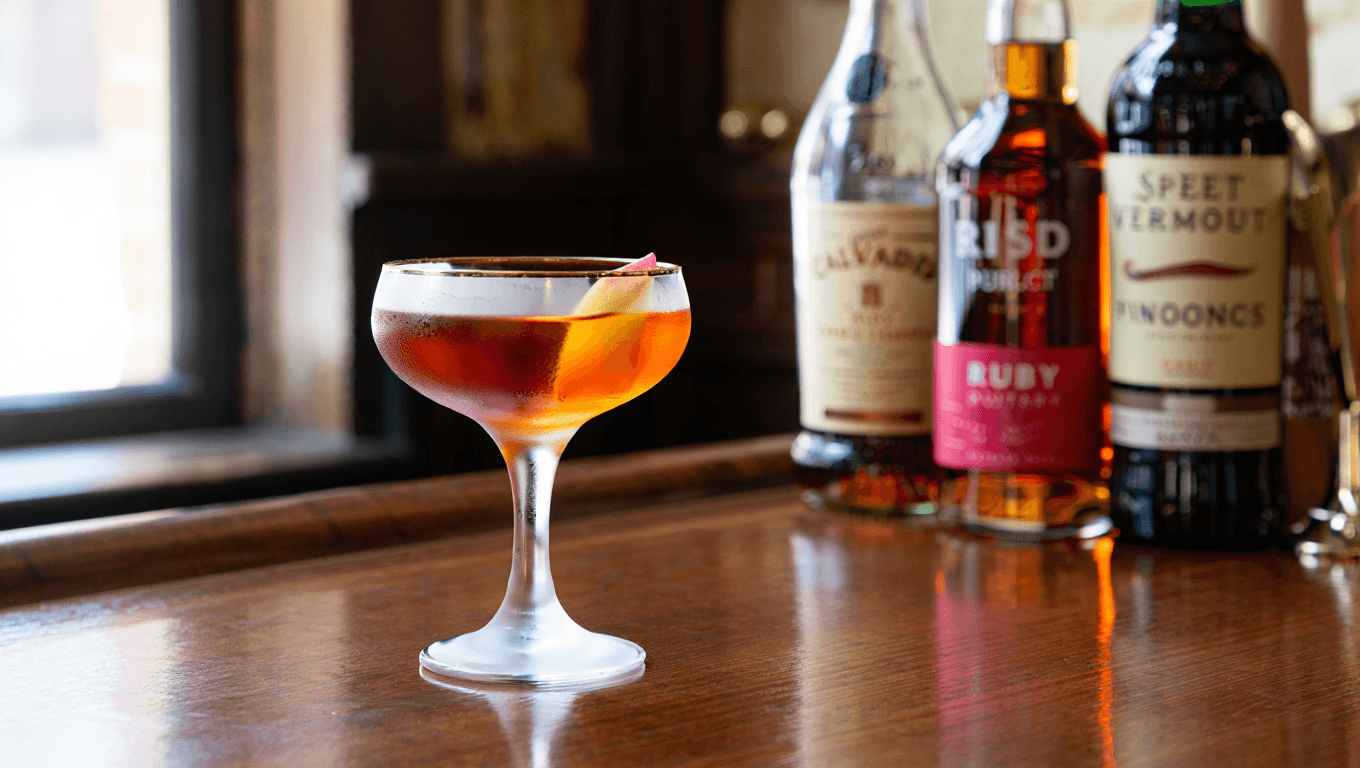
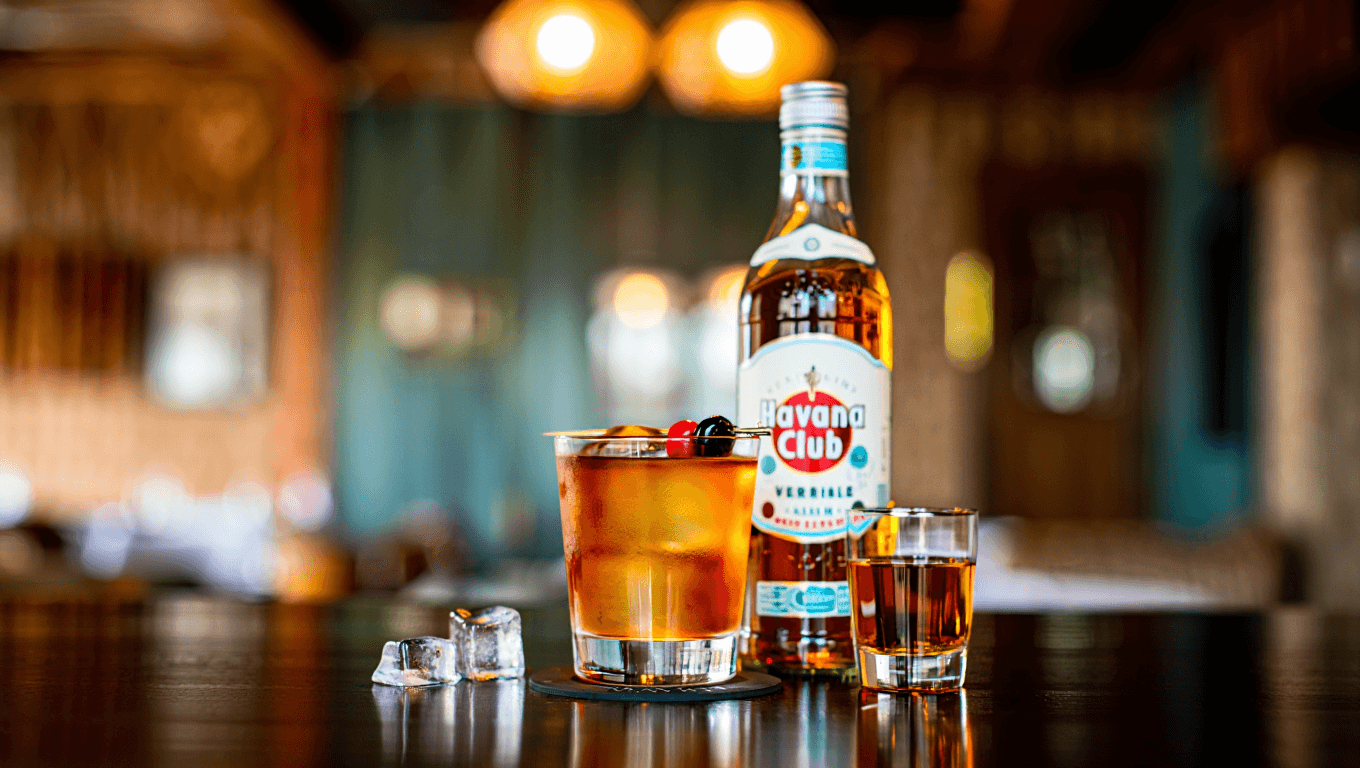
The Havana Club cocktail turns two classic components into a compact, elegant drink that highlights aged rum and sweet vermouth. Bars that favor spirit-forward mixes often list this recipe alongside rum Manhattans for its clean balance and aromatic finish. You will find it quick to assemble yet rewarding to sip, making it ideal for a relaxed evening or a refined nightcap. The recipe calls for quality ingredients and a chilled coupe glass to deliver the right texture and temperature.
What ingredients compose the Havana Club drink?
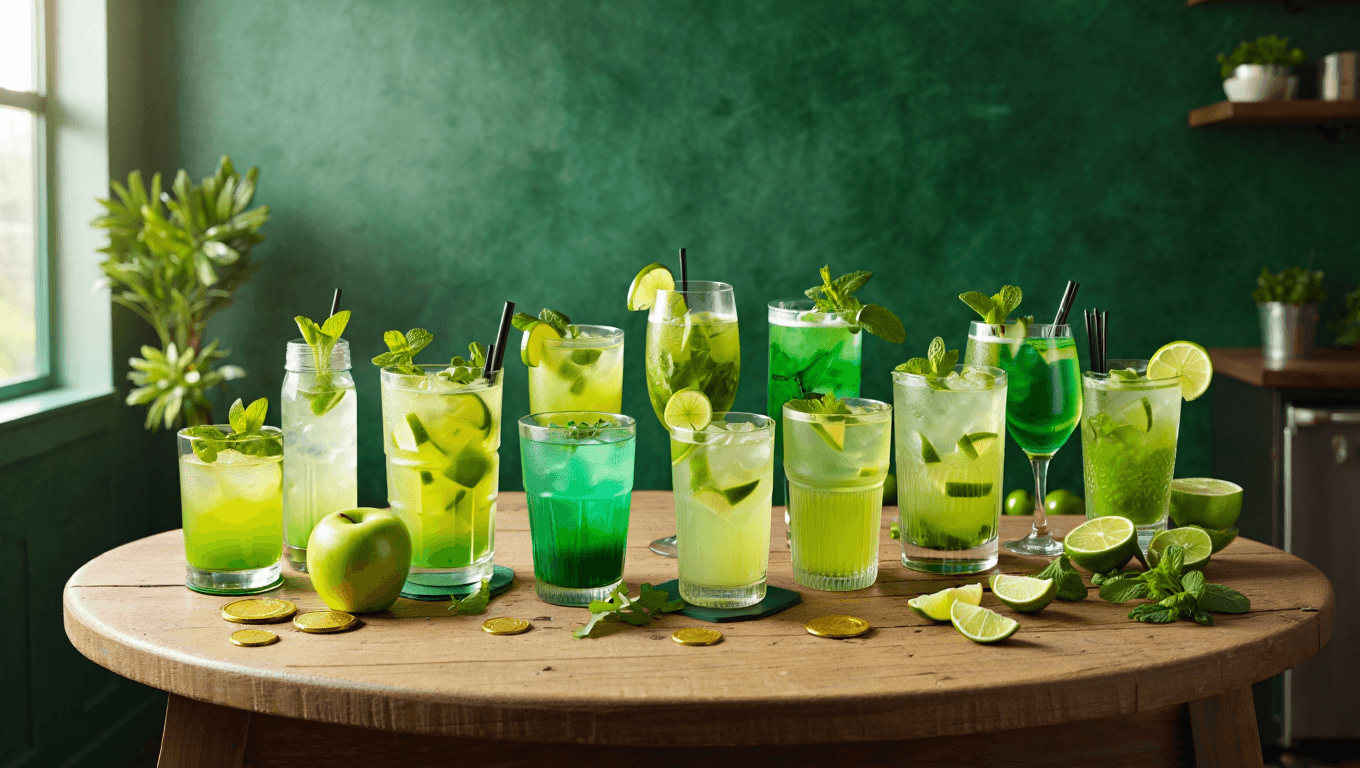
Top 20 St. Patrick’s Day cocktail recipes: easy green drinks for parties
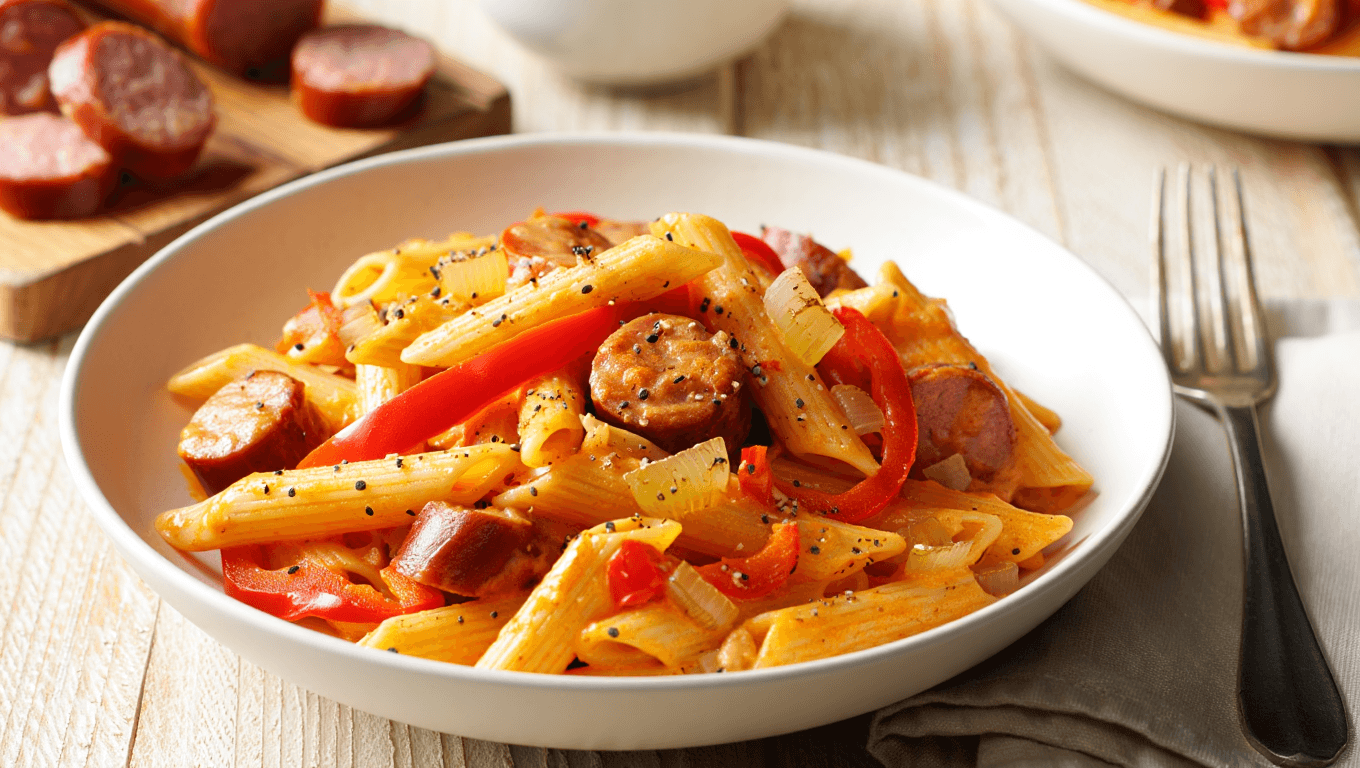
Creamy Cajun pasta recipe with peppers and smoked sausage
The recipe uses equal parts aged Cuban rum and rosso vermouth for a simple, balanced profile. Use 45 ml Havana Club Añejo 7 Años and 45 ml Strucchi Rosso vermouth chilled for best results. Choosing a well-aged rum adds depth while a di Torino-style sweet vermouth brings herbal, vinous notes.
Allergen information matters for guests and label reading reveals that sweet vermouth contains sulphur dioxide/sulphites. Keep that in mind when serving to people with sensitivities or dietary restrictions. Substitutions change the character of the drink, so swap ingredients only when you know how they will affect sweetness and aroma.
The compact table below summarizes the core components and practical notes for shopping and prep.
| Ingredient | Amount | Notes |
|---|---|---|
| Havana Club Añejo 7 Años rum | 45 ml | Well-aged Cuban rum, base spirit |
| Strucchi Rosso vermouth | 45 ml | Chilled, sweet rosso (di Torino style) |
How do you prepare and serve the cocktail?
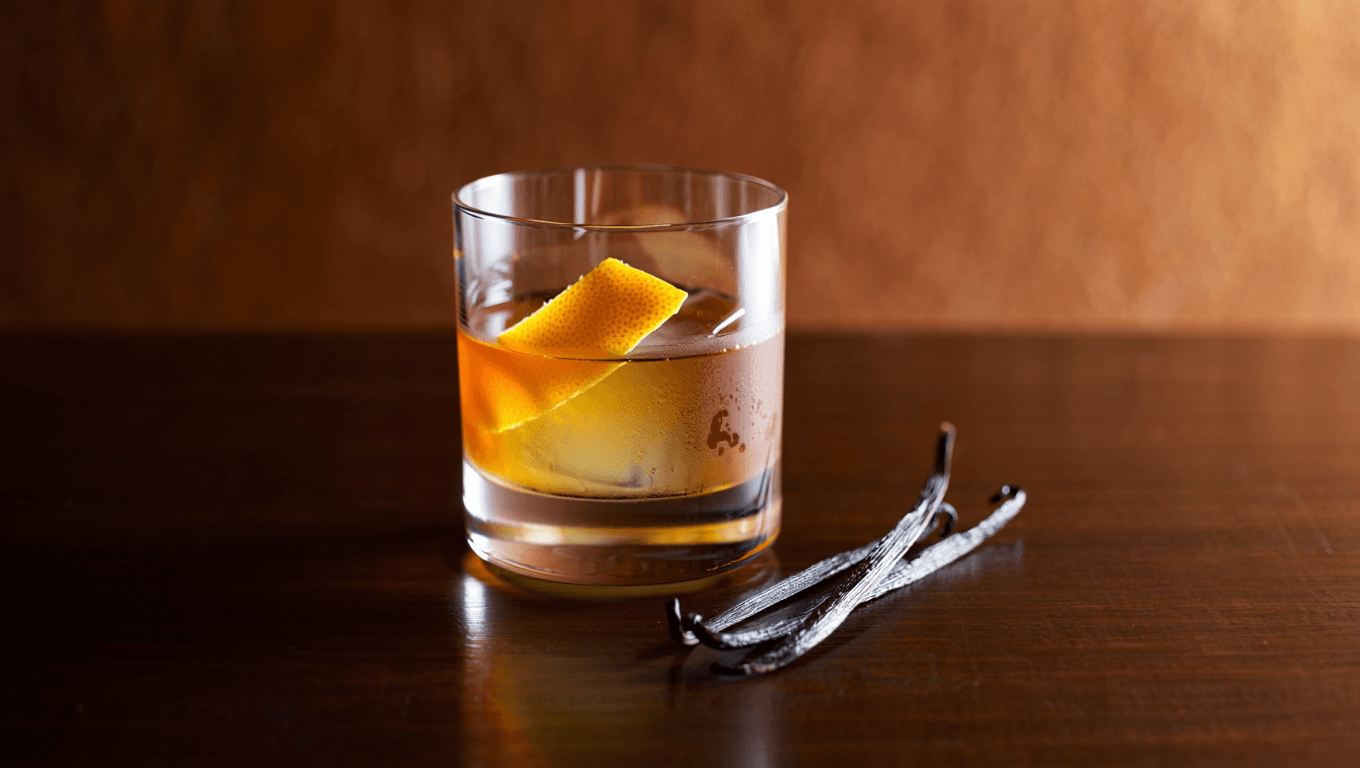
Begin by chilling a coupe glass and preparing a fresh orange peel for garnish. Fill a mixing glass with ice and pour in both ingredients so they cool evenly without over-dilution. Stir gently until the mixture feels cold and slightly viscous on the spoon.
Strain into the pre-chilled coupe and express the orange twist over the surface to release oils. Place the twist as an elegant garnish and serve immediately while the drink is brisk and aromatic. Small details in temperature and timing change the final impression.
- Chill coupe glass and prepare an orange zest twist.
- Stir rum and vermouth with plenty of ice until well chilled.
- Double-strain into the chilled coupe and garnish with the expressed twist.
What does the Havana Club taste like and how strong is it?
This equal-parts cocktail delivers a boozy, dry-leaning profile with rounded sweetness from the vermouth. The aged rum contributes notes of toffee, leather, and gentle oak while the vermouth adds cherry, bitter herbal tones, and a touch of spice. When you sip, vous will notice a clean mid-palate and a smooth finish that favors spirit character over sugar.
Measured figures place one serving at about 169 calories and roughly 22.05% alc./vol. That equates to approximately 1.4 standard drinks and close to 19.8 grams of pure alcohol per serving. Such numbers help plan portions for an evening of cocktails.
Flavor notes to expect include:
- Oak and caramel from aged rum
- Vermouth’s cherry, clove, and herbal bitterness
- Citrus oils from the orange twist
The balance tends toward dry and spirit-focused rather than sweet and fizzy.
Pair the cocktail with rich cheeses or smoked meats to complement its depth. Light desserts or citrus-forward dishes can brighten the experience if you prefer contrast rather than continuity.
Where does this recipe come from?
The drink traces back to mid-20th century cocktail guides and appears as a straightforward rum-and-vermouth combination in historic collections. Early sources describe it as a simple jigger-and-jigger mix, stirred and strained into a cocktail glass with an optional cherry.
Modern bartenders have refined presentation and choice of rum, but the underlying formula remains faithful to tradition. That lineage makes the Havana Club both a classic and a versatile template for spirit-forward experimentation.

Andrew Cole focuses on everyday drinks, from warm comfort beverages to refreshing options. His writing emphasizes balance, clarity, and ease of preparation.