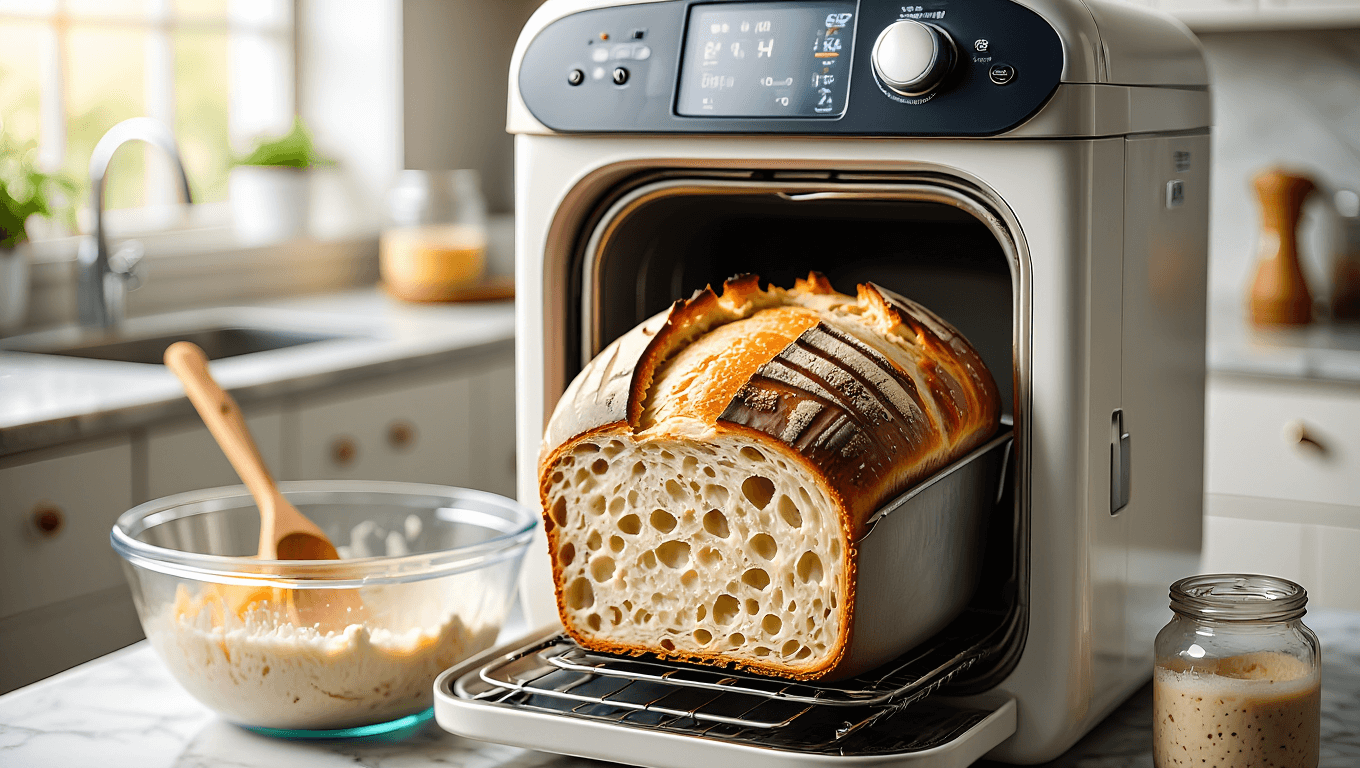
Fresh sourdough, with a crackly exterior and a tender, flavorful crumb, can be surprisingly easy to make at home. Home bakers who treasure convenience and a reliably soft interior will love this bread machine sourdough recipe that uses an active sourdough starter and common pantry ingredients. The loaf browns beautifully and pairs perfectly with soups, cheeses, or simple buttered toast. You will still need to be involved for a few early steps, but the payoff is a 2‑lb. loaf that tastes like it came from a bakery.
Why choose a bread machine for your sourdough loaf?
Top 20 St. Patrick’s Day cocktail recipes: easy green drinks for parties
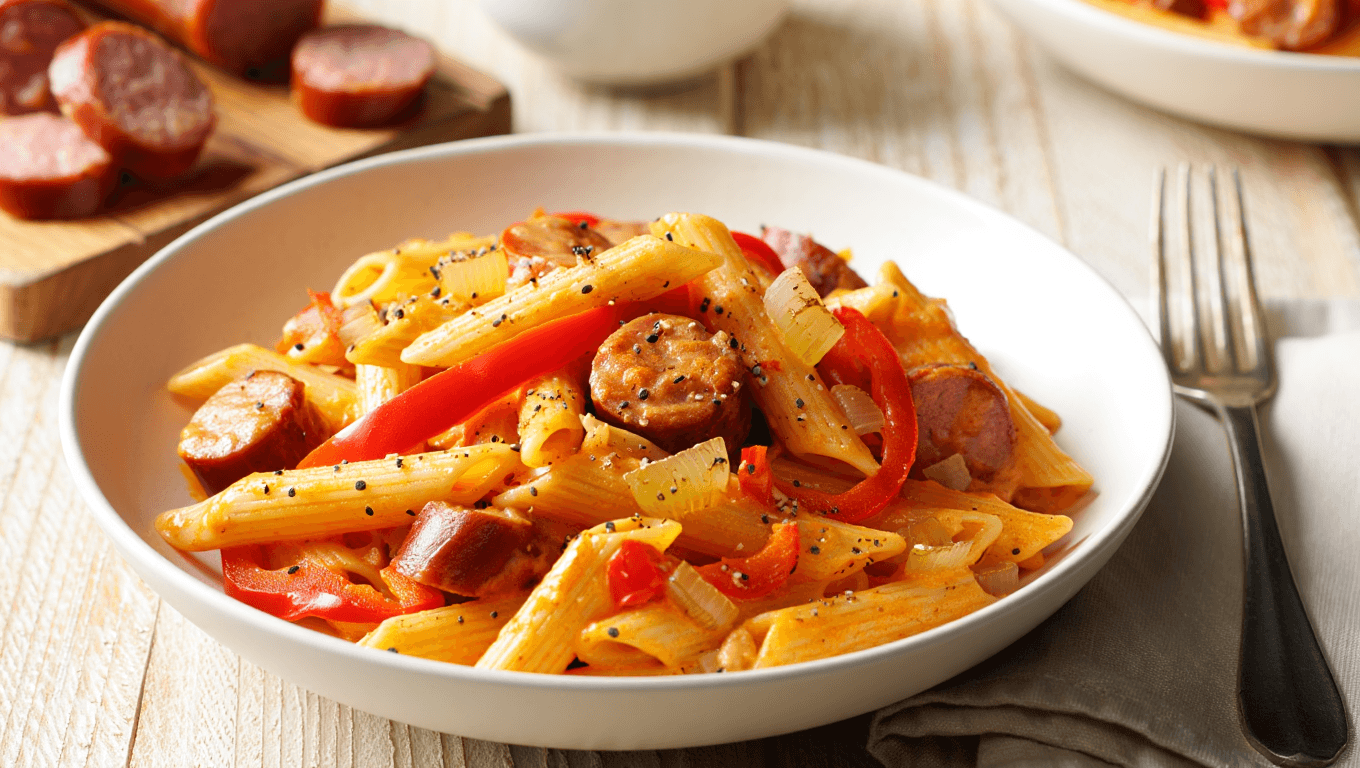
Creamy Cajun pasta recipe with peppers and smoked sausage
A bread machine takes care of the mixing and kneading which simplifies the process without sacrificing flavor. Many home bakers prefer the hands-off mechanical work so they can focus on fermentation and shaping. Using a machine keeps the kitchen cool and avoids long manual kneading sessions when you want a dependable result.
Not every bread machine behaves the same way so you may need to adapt timings and settings for your model. If your unit has a “basic” or “white bread” program, that usually works well. Some machines offer a dark crust option that produces a crispier exterior which complements sourdough nicely.
I use a Zojirushi Home Bakery Supreme for this loaf and it has delivered consistent results. Even with a reliable machine vous will want to monitor the early mixing stage so the dough comes together properly and all ingredients are incorporated.
Which ingredients make this favorite 2‑lb sourdough loaf?
This recipe relies on simple, familiar ingredients that highlight the tang of your starter. Use high quality flour and a lively active sourdough starter for the best taste and rise. Warm milk and softened butter enrich the dough and keep the crumb tender.
Below is a compact ingredient table you can reference while measuring.
| Ingredient | Amount | Notes |
|---|---|---|
| All‑purpose flour | 3 ½ cups | Start with 1 cup, add rest slowly |
| Granulated sugar | 2 tablespoons | Feeds yeast and balances tang |
| Salt | 2 teaspoons | For flavor control |
| Active dry yeast | 2 ¼ teaspoons | Supports extra rise |
| Milk | ¾ cup | Warm to 105–115°F |
| Unsalted butter | 1 ½ tablespoons | Softened |
| Sourdough starter | 1 cup | Active and bubbly |
If you want to experiment there are a few easy add-ins that work well with this dough.
- Herbs such as rosemary or thyme for savory flavor
- Grated cheese for richer crumb
How exactly do you prepare this recipe in a bread machine?
This method asks for a bit of attention during the first kneading stage rather than a full unattended cycle. Add the first cup of flour together with sugar, salt, and yeast into the bread pan. If your machine starts a warm cycle, cancel that and select a basic bread setting so the paddle will mix those dry ingredients.
While the machine is stirring, slowly pour in the warmed milk and then the softened butter. Next add the sourdough starter while the paddle continues to mix so the wet mixture incorporates evenly. After those ingredients are distributed, add the remaining 2 ½ cups of flour gradually.
Expect the dough to look crumbly before it fully kneads. Press down on the dough occasionally as the machine kneads so the paddle can pick up the loose bits and form a cohesive ball. When the program finishes baking, remove the loaf from the pan right away and place it on a rack to cool. Quick reference steps:
- Mix 1 cup flour with sugar, salt, and yeast in the pan
- Add warm milk, softened butter, then sourdough starter while mixing
- Slowly incorporate remaining flour and press crumbs into the dough
- Let the machine finish its cycle and cool the loaf immediately on a rack
What if you prefer baking in the oven?
For those who like the hands-on approach the oven method replaces the machine’s kneading with manual work. Start by combining 1 cup flour with sugar, salt, and yeast in a mixing bowl then stir in warm milk, softened butter, and the starter. Add the remaining 2 ½ cups of flour slowly and knead the dough for 8–10 minutes on a lightly floured surface until smooth and elastic.
Grease a bowl and place the dough inside, turning once to coat and cover for the first rise of about one hour. Punch down, let the dough rest 15 minutes, then shape into a loaf and transfer to a greased 2‑lb loaf pan. Allow a second rise for roughly one hour and then bake at 375°F for approximately 30 minutes or until the loaf sounds hollow when tapped.
How can you ensure a crisp crust and a moist, flavorful crumb?
Temperature and timing matter for texture. The dark crust option on many bread machines helps create a firm, browned exterior while the enriched dough keeps the interior soft. If you bake in the oven a hot initial temperature and good steam will encourage oven spring and a desirable crust.
Removing the loaf from the pan as soon as it finishes baking prevents trapped steam from softening the bottom crust. Let the bread cool on a rack so air circulates under and around the loaf. A short warning about starters and hooch: if a clear liquid collects on the surface of an unstirred starter that is simply alcohol formed during fermentation. Stir it back in before using and your starter will be fine.
Small techniques make a big difference. Score the top before baking if you want a controlled expansion. For serving try slathering warm slices with homemade butter or dipping them into an herb‑infused olive oil. Those finishing touches elevate a simple loaf into a memorable centerpiece for any meal.
Quick reference table for time and yield
The chart below summarizes the main timings and what this recipe produces so you can plan your baking session efficiently.
| Item | Value |
|---|---|
| Prep time | 5 minutes active |
| Cook time | 30 minutes |
| Additional fermentation | About 2 hours total |
| Yield | One 2‑lb loaf, ~13 slices |
| Calories per slice | Approximately 169 kcal |

Elliot Raymond focuses on side dishes that balance meals without overpowering them. His recipes are flexible, light, and easy to pair with a variety of cuisines.